
With the outbreak of the Great War …
Years: 1919 - 1919
With the outbreak of the Great War in August 1914, there had been widespread support in Afghanistan of Ottoman Turkey against the British.
Habibollah, duly impressed with British power, had resisted pressures from Tarzi, Amanullah (Habibollah's third son, who had married Soraya, a daughter of Tarzi), and others to enter the war on the side of the Central Powers (Germany, Austria-Hungary, the Ottoman Empire, and Bulgaria).
Habibollah, however, had been able to maintain a policy of noninvolvement throughout the war, despite British pressure and despite German encouragement of anti-British feelings and Afghan rebellion along the borders of British India.
Habibollah's policy of neutrality was not, however, universally popular within the country.
The peace ending the war brings death to Habibollah; nationalists associated with the anti-British movement murder him on February 20, 1919, while he is on a hunting trip.
Amanollah, a favored son of his late father, takes possession of the throne immediately after his father's assassination.
The national flag changes from black to one of four alternating red and green horizontal bars, the national arms in white within a black circle centered upon the field.
Although Britain exercises an important influence on Afghan affairs, Amanollah, in his coronation address, declares total independence from Great Britain.
This leads in May 1919 to a third war with the British, but fighting is confined to a series of inconclusive skirmishes between an ineffective Afghan army and a British Indian army exhausted from the heavy demands of the Great War.
The desultory month-long conflict, known as the Third Anglo-Afghan War, ends on August 8, 1919, with the signing of the Treaty of Rawalpindi, which gives Afghanistan full control over its foreign relations.
Later in the year, Afghanistan's first museum is instituted at Baghe Bala.
Amanollah, although a charming man and a sincere patriot and reformer, is also impulsive and tactless, and tends to surround himself with poor advisers.
Shortly after his accession, he pushes for reforms, including an education program and road-building projects, but reactionaries oppose him.
Until 1919, the Pashtuns still keep some Hazaras as slaves.
Although Amanollah bans slavery in Afghanistan during his reign, the tradition will carry on unofficially for many more years.
Locations
People
Groups
- Hazara people
- Britain (United Kingdom of Great Britain and Ireland)
- British Raj; India (Indian Empire)
- Afghanistan, Kingdom of
Topics
Commodoties
Subjects
Regions
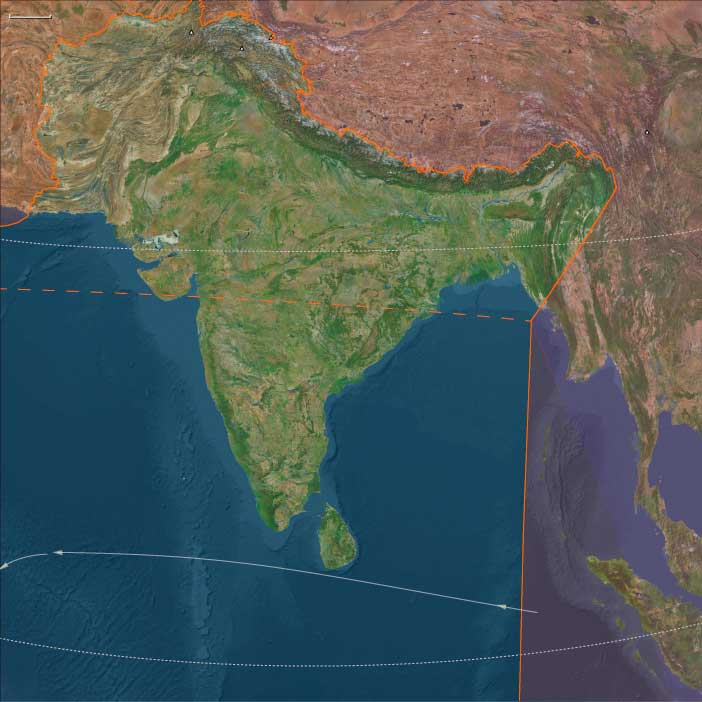
Years: 1919 - 1919
Locations
People
Groups
- Hazara people
- Britain (United Kingdom of Great Britain and Ireland)
- British Raj; India (Indian Empire)
- Afghanistan, Kingdom of
Topics
Commodoties
Subjects
Regions