
Sir George Rooke and the Battle of …
Years: 1702 - 1702
October
Sir George Rooke and the Battle of Vigo Bay (1702): A Mixed Start to the War of the Spanish Succession
At the opening of the War of the Spanish Succession (1701–1714), Sir George Rooke, a senior English admiral, commanded the Anglo-Dutch fleet in an unsuccessful expedition against Cádiz (1702). However, on the return voyage, he redeemed himself by destroying the Spanish treasure fleet at Vigo Bay, securing one of England’s greatest naval victories and earning the thanks of Parliament.
The Failed Attack on Cádiz (1702)
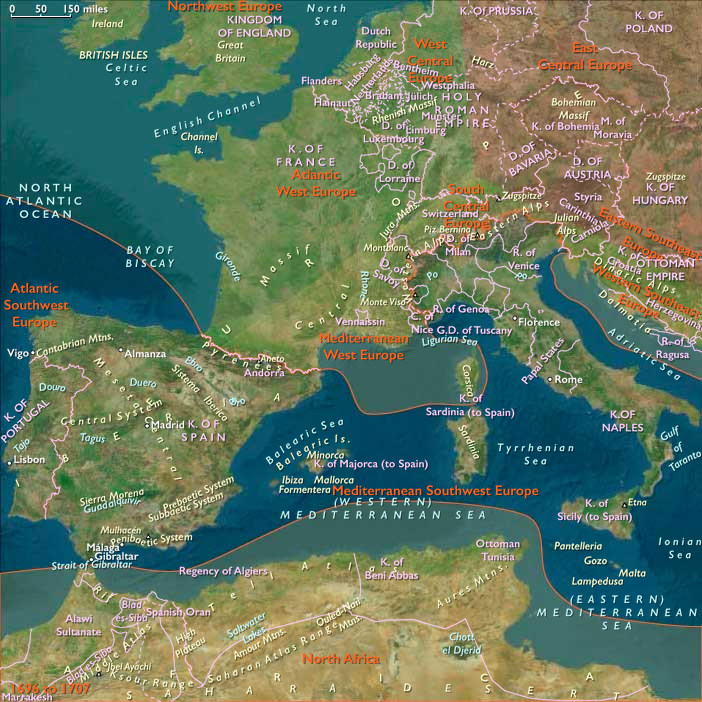
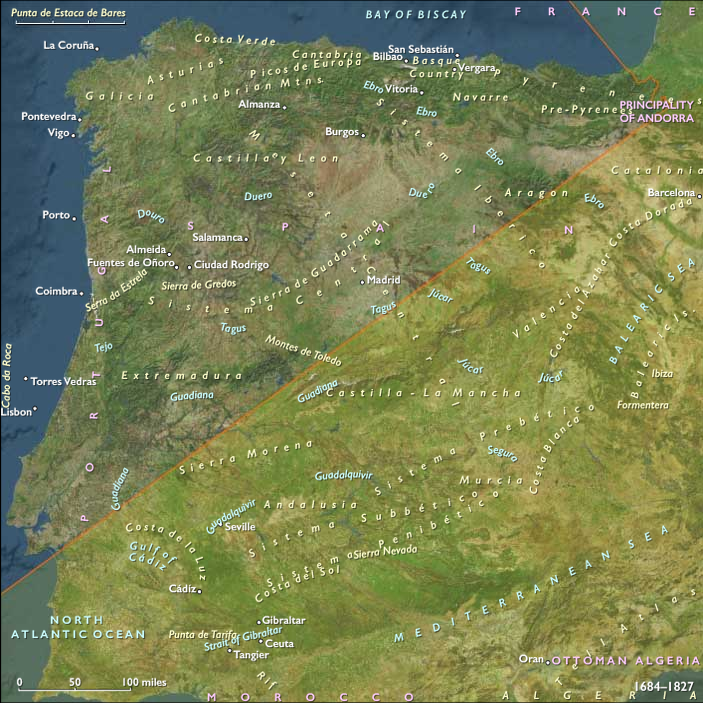
- As part of England’s campaign to weaken Bourbon Spain, Rooke led an Anglo-Dutch fleet to capture Cádiz, a major Spanish port and naval base.
- The assault was poorly executed, suffering from:
- Weak coordination between English and Dutch forces.
- Failure to capture the city.
- Indiscipline and looting among English troops, which undermined local support.
- The expedition was abandoned, marking a humiliating start to the war for England.
The Battle of Vigo Bay (October 23, 1702): A Stunning Recovery
- On the return voyage, Rooke received intelligence that the Spanish treasure fleet from the Americas had taken refuge in Vigo Bay, protected by French warships.
- Determined to salvage the campaign, Rooke launched a surprise attack, leading to:
- The destruction of the entire French escort fleet.
- The capture or sinking of Spanish treasure galleons, though much of the gold and silver had already been unloaded.
- Despite not securing all the treasure, the victory crippled Spanish naval power, boosting England’s prestige in the war.
Aftermath and Recognition
✔ Rooke received widespread praise for the victory, despite the earlier failure at Cádiz.
✔ Parliament formally thanked him, recognizing Vigo Bay as a major naval triumph.
✔ The battle reinforced England’s dominance at sea, undermining French and Spanish maritime strength early in the war.
Conclusion: A Setback Turned into Triumph
Though the Cádiz expedition (1702) was a failure, Rooke’s decisive action at Vigo Bay redeemed his reputation and delivered a strategic blow to Bourbon Spain. His victory demonstrated England’s growing naval supremacy, setting the stage for future successes in the War of the Spanish Succession.
Locations
People
- Anne, Queen of Great Britain
- George Rooke
- John Churchill, 1st Duke of Marlborough
- Louis XIV of France
Groups
- Christians, Roman Catholic
- Austria, Archduchy of
- Protestantism
- Anglicans (Episcopal Church of England)
- Netherlands, United Provinces of the (Dutch Republic)
- France, (Bourbon) Kingdom of
- Habsburg Monarchy, or Empire
- England, (Orange and Stewart) Kingdom of
- Brunswick-Lüneburg, Electorate of (Electorate of Hanover)
- Prussia, Kingdom of
Topics
Commodoties
Subjects
- Origins
- Commerce
- Watercraft
- Engineering
- Labor and Service
- Conflict
- Mayhem
- Faith
- Government
- Technology
- Theology
Regions
Subregions
Years: 1702 - 1702
October
Locations
People
- Anne, Queen of Great Britain
- George Rooke
- John Churchill, 1st Duke of Marlborough
- Louis XIV of France
Groups
- Christians, Roman Catholic
- Austria, Archduchy of
- Protestantism
- Anglicans (Episcopal Church of England)
- Netherlands, United Provinces of the (Dutch Republic)
- France, (Bourbon) Kingdom of
- Habsburg Monarchy, or Empire
- England, (Orange and Stewart) Kingdom of
- Brunswick-Lüneburg, Electorate of (Electorate of Hanover)
- Prussia, Kingdom of
Topics
Commodoties
Subjects
- Origins
- Commerce
- Watercraft
- Engineering
- Labor and Service
- Conflict
- Mayhem
- Faith
- Government
- Technology
- Theology
Regions
Subregions