
Filters:
The Reign and Marriages of William VIII, …
Years: 1086 - 1086
September
The Reign and Marriages of William VIII, Duke of Aquitaine (r. 1058–1086)
William VIII, Duke of Aquitaine (r. 1058–1086), was a key figure in 11th-century France, known for his marriages, diplomatic alliances with Iberian kingdoms, and struggles to secure the legitimacy of his heirs. His reign focused on maintaining and expanding Aquitaine’s influence, particularly through marital diplomacy with the kingdoms of Spain.
Marital History and Legitimacy Struggles
- William VIII married three times and had at least five children, but securing legitimate heirs was a challenge.
- His second marriage to Matoeda ended in divorce in May 1068, likely due to infertility.
- His third wife, Hildegarde of Burgundy (daughter of Robert I, Duke of Burgundy), was his cousin.
- The marriage produced a son, but due to canonical restrictions on consanguinity, William VIII had to travel to Rome in the early 1070s to persuade the pope to recognize his children from this union as legitimate.
Political Alliances Through Marriage with Iberian Kingdoms
- William VIII prioritized diplomacy with Iberian rulers, forming alliances through the marriages of his daughters:
- Agnes (d. 1078), daughter by his second wife Matoeda, was married to Alfonso VI of Castile, strengthening ties with the leading Christian power in Spain.
- Agnes (d. 1097), daughter by his third wife Hildegarde, was married to Peter I of Aragon, reinforcing Aquitaine’s influence in the Pyrenees region.
Death and Succession (1086)
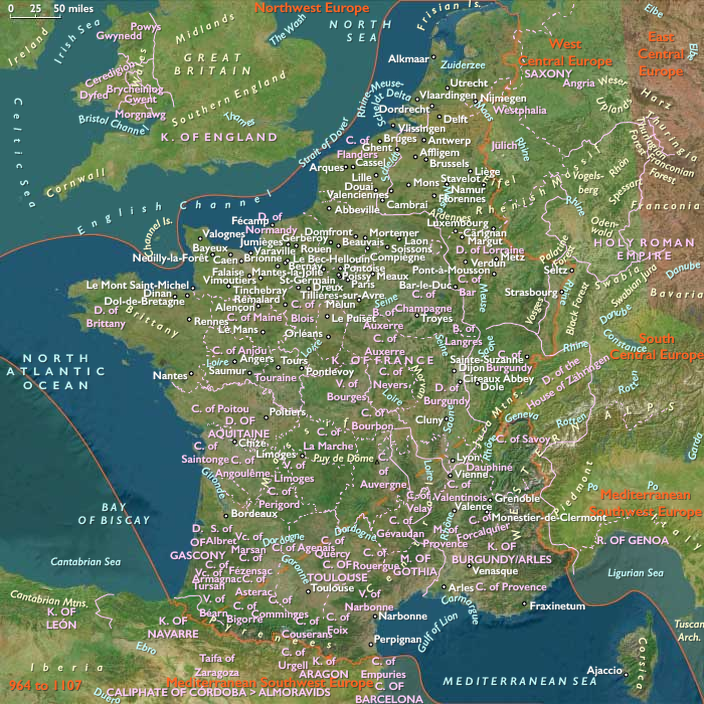
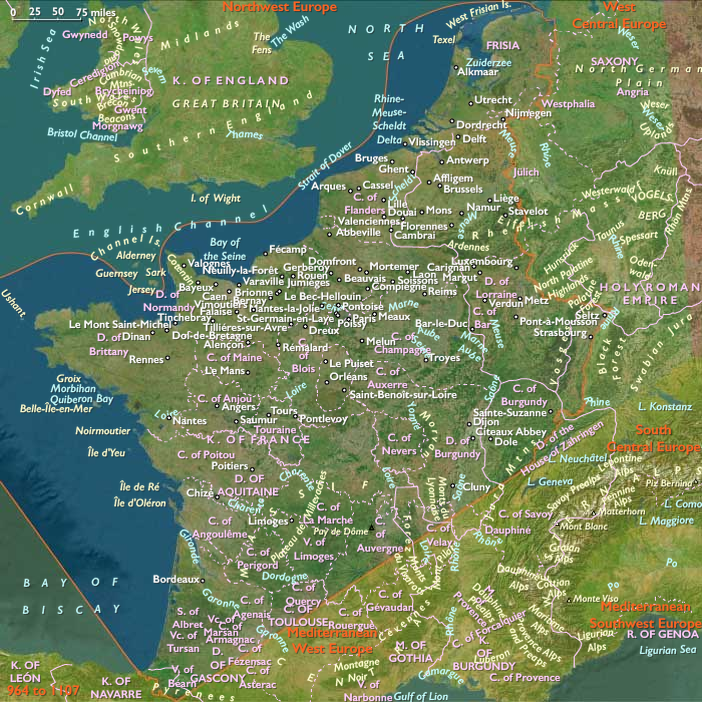
- William VIII died on September 25, 1086, at Chizé, a stronghold in western Aquitaine.
- His son by Hildegarde of Burgundy, William IX, succeeded him as Duke of Aquitaine.
Legacy
- William VIII’s reign strengthened Aquitaine’s political influence through marriage diplomacy and alliances with Iberian rulers.
- His efforts to secure the legitimacy of his heirs ensured that his lineage continued through William IX, who would become one of the most famous dukes of Aquitaine.
- The duchy remained a powerful and independent force in medieval France, setting the stage for future conflicts and alliances with both Capetian France and the Plantagenets.
William VIII’s diplomatic marriages and struggles for legitimacy shaped the course of Aquitanian and Iberian politics, demonstrating the importance of dynastic alliances in medieval Europe.
Locations
People
- Alfonso VI of León and Castile
- Peter I of Aragon and Navarre
- William IX, Duke of Aquitaine
- William VIII,Duke of Aquitaine
Groups
Subjects
Regions
Subregions
Years: 1086 - 1086
September
Locations
People
- Alfonso VI of León and Castile
- Peter I of Aragon and Navarre
- William IX, Duke of Aquitaine
- William VIII,Duke of Aquitaine
Groups
Subjects
Regions
Subregions