
William Rufus is the third of four …
Years: 1088 - 1088
February
William Rufus is the third of four sons born to William the Conqueror and Matilda of Flanders, the eldest being Robert Curthose, the second Richard, and the youngest Henry.
His exact date of birth is unknown, but it was some time between the years 1056 and 1060.
William had succeeded to the throne of England on his father's death, but Robert had inherited Normandy.
Richard had died around 1075 while hunting in the New Forest.
William has five or six sisters.
The existence of sisters Adeliza and Matilda is not absolutely certain, but four sisters are more securely attested as being: Adela, who between 1080 and 1083 had married the Count of Blois; Cecily, who became a nun; Agatha, who died before marriage; and Constance, who married the Duke of Brittany.
Relations between the three sons of William I were recorded to have been strained.
William's contemporary, chronicler Orderic Vitalis, wrote about an incident that took place at L'Aigle, in 1077 or 1078: William and Henry, having grown bored with casting dice, decided to make mischief by emptying a chamber pot onto their brother Robert from an upper gallery, thus infuriating and shaming him.
A brawl broke out, and their father was forced to intercede to restore order.
According to William of Malmesbury, William Rufus was "well set; his complexion florid, his hair yellow; of open countenance; different colored eyes, varying with certain glittering specks; of astonishing strength, though not very tall, and his belly rather projecting."
The division of William the Conqueror's lands into two parts presents a dilemma for those nobles who hold land on both sides of the waterway of the English Channel.
Since the younger William and his brother Robert are natural rivals, these nobles worry that they cannot hope to please both of their lords, and thus run the risk of losing the favor of one ruler or the other, or both.
The only solution, as they see it, is to unite England and Normandy once more under one ruler.
The pursuit of this aim leads them to revolt against William in favor of Robert in the Rebellion of 1088, under the leadership of two half-brothers of William the Conqueror: the powerful Bishop Odo of Bayeux, and Robert, Count of Mortain, with Odo the stronger of the two and the leader behind the plot.
Among the king's initial supporters are all the bishops of England, a few major magnates including Alan Rufus (in the east of England north of London up to Yorkshire), William de Warenne (from Sussex to Yorkshire) and Hugh of Avranches (in the west, around Cheshire), and lesser tenants-in-chief such as Robert Fitzhamon and Walter D'Aincourt.
However, the rebels' ranks are made up many of the most powerful barons in England: of the ten largest baronial landholders in the Domesday Book, six are counted among the rebels.
They are spread far and wide geographically from Kent, controlled by Bishop Odo, to Northumberland, controlled by Robert de Mowbray, to Gloucestershire and Somerset under Geoffrey de Montbray (Bishop of Coutances), to Norfolk with Roger Bigod, Roger of Montgomery at Shrewsbury in Shropshire, and a vast swathe of territory in the southwest, center and south of England under Count Robert.
Also in support of the rebels is Eustace III, Count of Boulogne.
The rebels' strategy is that Odo and the other rebel barons will start the fight in England, while Robert will launch an invasion force from Normandy.
Locations
People
- Adela of Normandy
- Alan Rufus
- Cecilia of Normandy
- Constance of Normandy
- Eustace III
- Geoffrey de Montbray
- Hugh d'Avranches
- Odo
- Robert Curthose
- Robert Fitzhamon
- Robert de Mowbray
- Robert, Count of Mortain
- Roger Bigod
- Roger de Montgomerie
- Walter D'Aincourt
- William II of England
- William de Warenne, 1st Earl of Surrey
Groups
- Breton people
- Anglo-Saxons
- Normandy, Duchy of
- Brittanny, Duchy of
- Normans
- England, (Norman) Kingdom of
Topics
Subjects
Regions
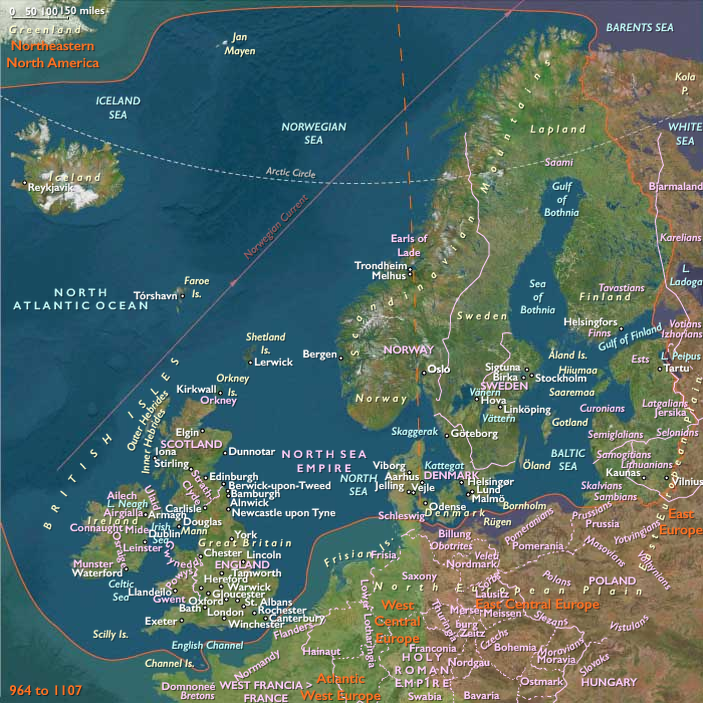
Subregions
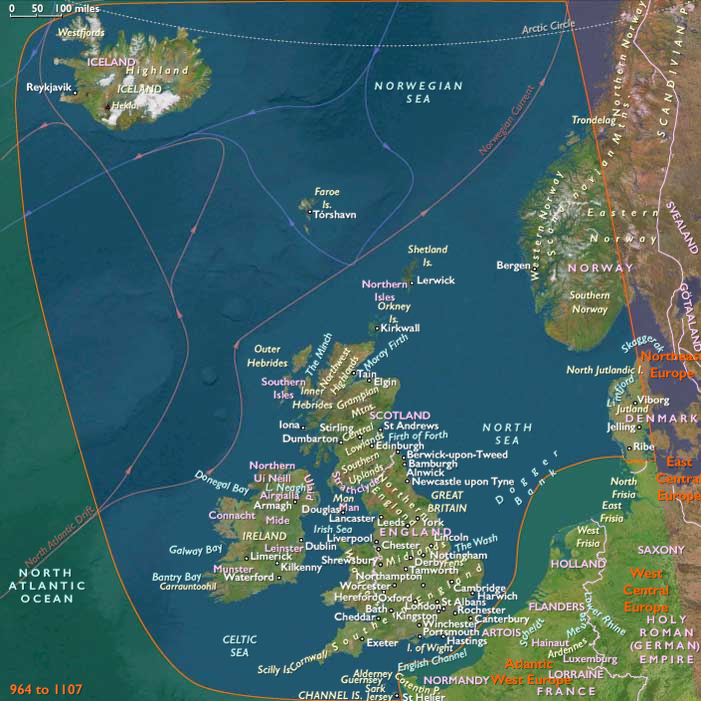
Related Events
Showing 10 events out of 50381 total
Years: 1088 - 1088
February
Locations
People
- Adela of Normandy
- Alan Rufus
- Cecilia of Normandy
- Constance of Normandy
- Eustace III
- Geoffrey de Montbray
- Hugh d'Avranches
- Odo
- Robert Curthose
- Robert Fitzhamon
- Robert de Mowbray
- Robert, Count of Mortain
- Roger Bigod
- Roger de Montgomerie
- Walter D'Aincourt
- William II of England
- William de Warenne, 1st Earl of Surrey
Groups
- Breton people
- Anglo-Saxons
- Normandy, Duchy of
- Brittanny, Duchy of
- Normans
- England, (Norman) Kingdom of
Topics
Subjects
Regions
Subregions