
The Recognition of Portugal’s Independence: Papal Approval …
Years: 1179 - 1179
The Recognition of Portugal’s Independence: Papal Approval and Sovereignty (1179)
For four decades, Afonso I of Portugal had claimed the royal title, but full independence from León required more than military victories. The County of Portugal still needed diplomatic recognition from neighboring Christian realms and, most importantly, from the Roman Catholic Church and the papacy.
Marriage Alliances and Diplomatic Maneuvers
To strengthen his position, Afonso I wed Mafalda of Savoy, daughter of Amadeus III, Count of Savoy, securing ties with powerful European noble houses. He also dispatched ambassadors to Rome, negotiating directly with the pope to seek formal recognition of Portugal as a kingdom.
Renouncing León’s Suzerainty and Becoming a Papal Vassal
Afonso successfully renounced his vassalage to his cousin, Alfonso VIII of León, instead pledging fealty to the papacy, following the precedent set by the kings of Sicily and Aragon. This strategic move placed Portugal under the direct protection of the Catholic Church, shielding it from Castilian claims.
Papal Recognition: The Bull Manifestis Probatum (1179)
In 1179, Pope Alexander III issued the papal bull Manifestis Probatum, officially recognizing Afonso I as King of Portugal and confirming Portugal’s sovereignty as an independent Christian kingdom. With this decree, Portugal not only secured its political legitimacy but also gained the Church’s blessing to continue its Reconquista against the Moors.
This marked a definitive turning point in Portugal’s history, solidifying its status as an independent monarchy and establishing its long-standing alliance with the papacy.
Locations
People
Groups
- Moors
- Galicia, Kingdom of
- Muslims, Sunni
- Papal States (Republic of St. Peter)
- León, Kingdom of
- Christians, Roman Catholic
- Castile, Kingdom of
- Almohad Caliphate
- Portugal, Burgundian (Alfonsine) Kingdom of
Topics
Commodoties
Subjects
Regions
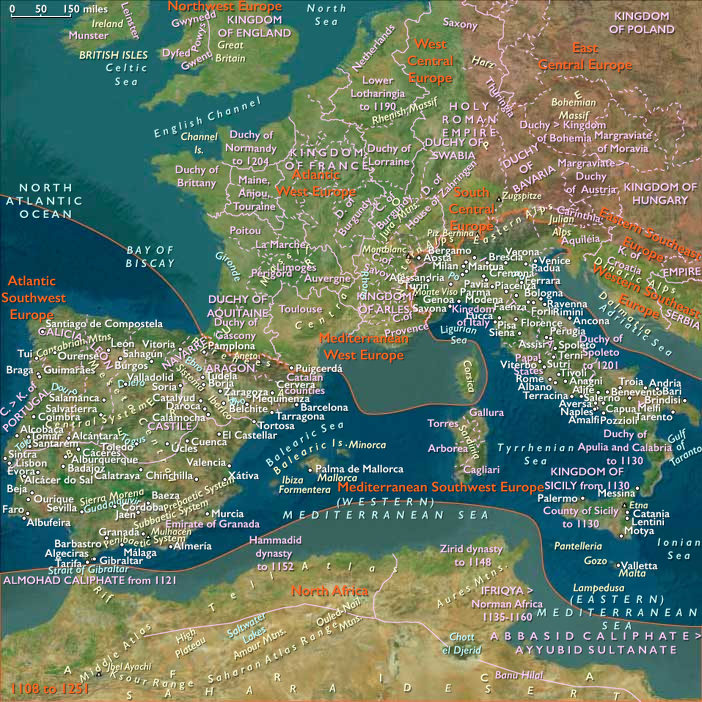
Subregions
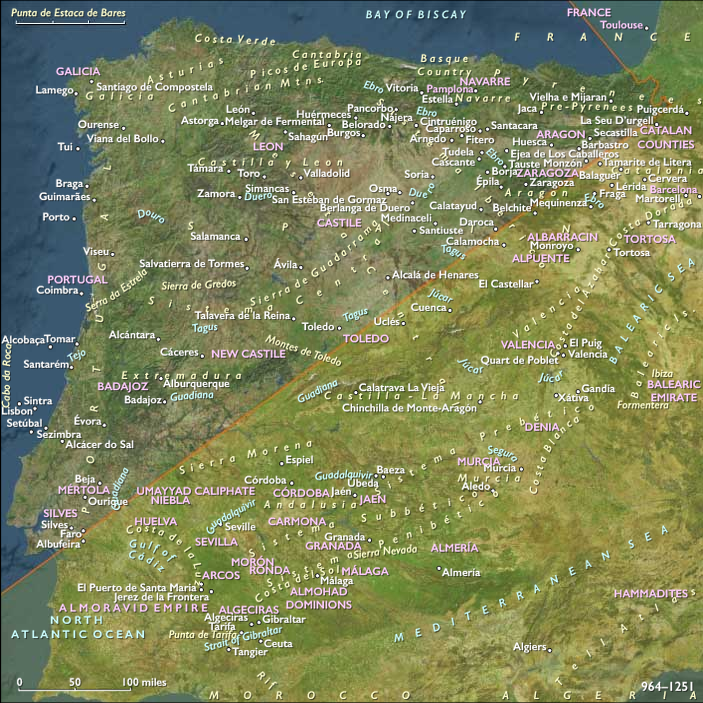
Related Events
Showing 10 events out of 48207 total
Years: 1179 - 1179
Locations
People
Groups
- Moors
- Galicia, Kingdom of
- Muslims, Sunni
- Papal States (Republic of St. Peter)
- León, Kingdom of
- Christians, Roman Catholic
- Castile, Kingdom of
- Almohad Caliphate
- Portugal, Burgundian (Alfonsine) Kingdom of
Topics
Commodoties
Subjects
Regions
Subregions