
The papal legate of eastern Europe, Archbishop …
Years: 1514 - 1514
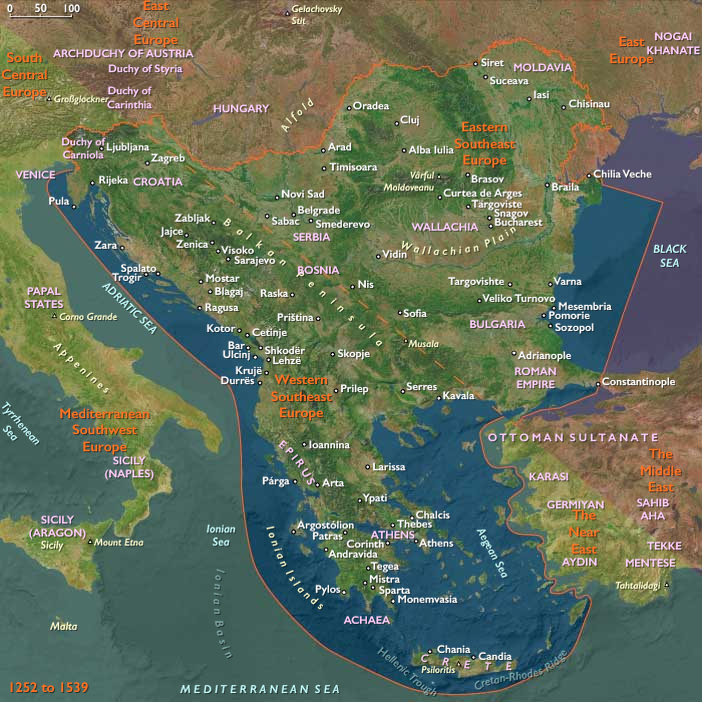
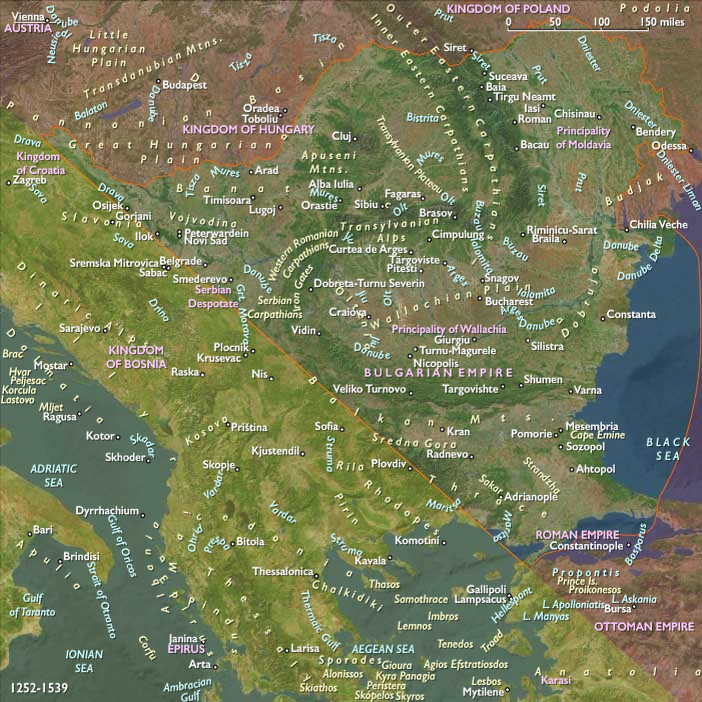
The papal legate of eastern Europe, Archbishop Tamás Bakócz, calls on April 16, 1514, for volunteers to go on a crusade against the Turks, and about one hundred thousand discontented peasants join the army.
The Szekler soldier György Dózsa, after having won a reputation for valor in the Turkish wars, is appointed leader, and the ill-planned crusade moves on the southern border.
The rebellious, antilandlord sentiment of these “crusaders” becomes apparent during their march across the Great Alfold, and Bakócz abruptly cancels the campaign.
The peasant leaders, without food or clothing, begin to voice grievances against landlords, and refuse to disperse or reap the fields at harvest time.
The peasant army announces its intention to overthrow the nobility and end oppression of the lower classes.
The rebellious peasants, now well armed, attack their landlords, ravage Hungary, burning hundreds of manor houses and castles and murdering thousands of nobles and their families.
They capture the fortresses of ‘Arad, …
Locations
People
Groups
Topics
Commodoties
Subjects
Regions
Subregions
Related Events
Showing 10 events out of 39167 total
Years: 1514 - 1514
Locations
People
Groups
Topics
Commodoties
Subjects
Regions
Subregions