
Filters:
The Destruction of Dorestad (863): The End …
Years: 863 - 863
The Destruction of Dorestad (863): The End of a Major Frankish Trade Hub
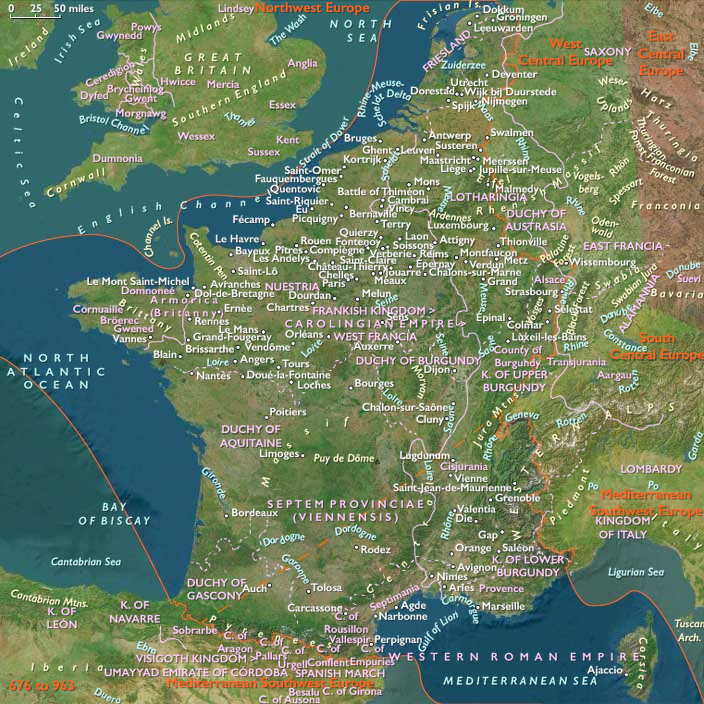
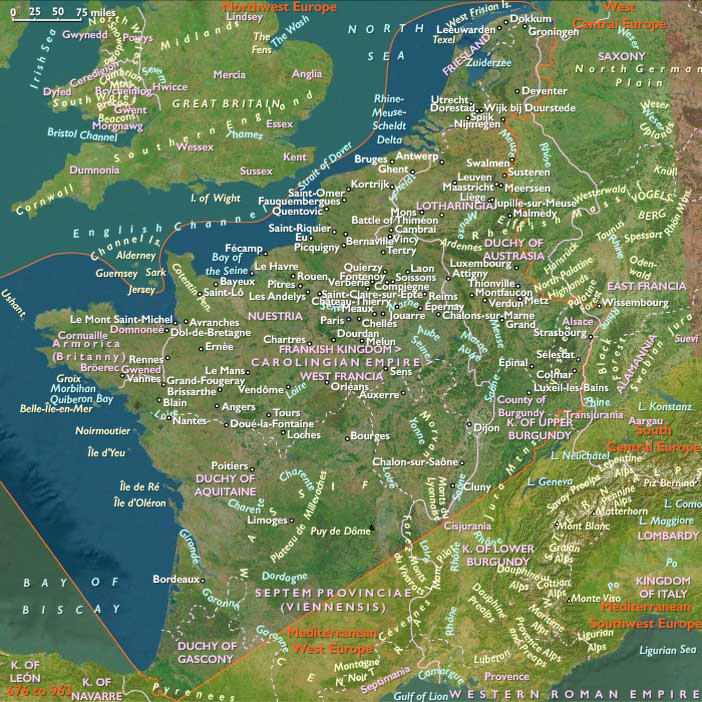
By 863, the once-prosperous Carolingian trading hub of Dorestad, located in present-day the Netherlands, meets its final destruction. The city's downfall is the result of Viking control, economic decline, and political instability, culminating in an uprising by its merchants against the Viking ruler Rorik.
Dorestad’s Decline and Viking Domination
- Dorestad had been one of the most important trading centers in Northwestern Europe, linking the North Sea trade routes to the Rhine and the Frankish interior.
- The city had already suffered multiple Viking raids since the 830s, leading to its gradual economic deterioration.
- In 850, Emperor Lothair I granted Dorestad to Rorik, a Danish Viking leader, in an attempt to stabilize the region by integrating the Norse rulers into the Frankish political framework.
The Merchant Revolt and the Final Destruction (863)
- By 863, the merchants of Dorestad, weary of Viking rule, refuse to submit to Rorik, likely rejecting his demands for tribute or resisting Viking domination over trade.
- In response, Rorik and his forces destroy the city, ensuring that it is never rebuilt.
- The final destruction of Dorestad signals the complete collapse of its commercial power.
Consequences of Dorestad’s Fall
- Trade Shifts Elsewhere → With Dorestad in ruins, commercial activity moves to other Frankish river ports, particularly Quentovic, Ghent, and Tiel.
- Frankish Vulnerability to Viking Expansion → The inability to defend Dorestad highlights Carolingian weakness in the Low Countries, further encouraging Norse settlements and attacks.
- Permanent Viking Presence in Frisia → Rorik remains in control of Frisian territories, consolidating Viking rule in the region.
The destruction of Dorestad in 863 marks the definitive end of one of the Carolingian Empire’s greatest trading centers, a victim of both Viking aggression and shifting economic patterns. With its fall, the political and economic landscape of the Low Countries is permanently altered, paving the way for new trade centers and increased Norse influence in the region.
Locations
People
Groups
Topics
Commodoties
Subjects
Regions
Subregions
Years: 863 - 863
Locations
People
Groups
Topics
Commodoties
Subjects
Regions
Subregions