
The Franco-Spanish Invasion of Portugal and the …
Years: 1804 - 1815
The Franco-Spanish Invasion of Portugal and the Flight of the Royal Family (1807)
With Napoleon crowned Emperor in 1804, his war against Britain resumed with renewed intensity. Britain responded by declaring a naval blockade of France, aiming to cripple French trade and economy. In retaliation, Napoleon ordered all European nations to sever ties with Britain, seeking to isolate it economically.
Portugal’s Neutrality and Napoleon’s Ultimatum
- Portugal, historically allied with Britain, attempted to remain neutral, balancing between French demands and British pressure.
- Napoleon ordered Portugal to close its ports to British ships, but the Portuguese government sought a way to comply without severing ties with its oldest ally.
- This compromise position angered Napoleon, who decided that Portugal must be invaded and partitioned.
The Treaty of Fontainebleau (October 1807) – The Plan to Divide Portugal
In October 1807, Napoleon signed a secret treaty with Spain at Fontainebleau, laying out a plan to invade and partition Portugal:
- One-third of Portugal would go to France.
- One-third would be annexed to Spain.
- One-third would be given to Manuel de Godoy, Spain’s chief minister, as a personal reward for his loyalty to Napoleon.
This agreement cemented Spain’s role as a French ally in the coming invasion.
The Franco-Spanish Invasion (November 1807)
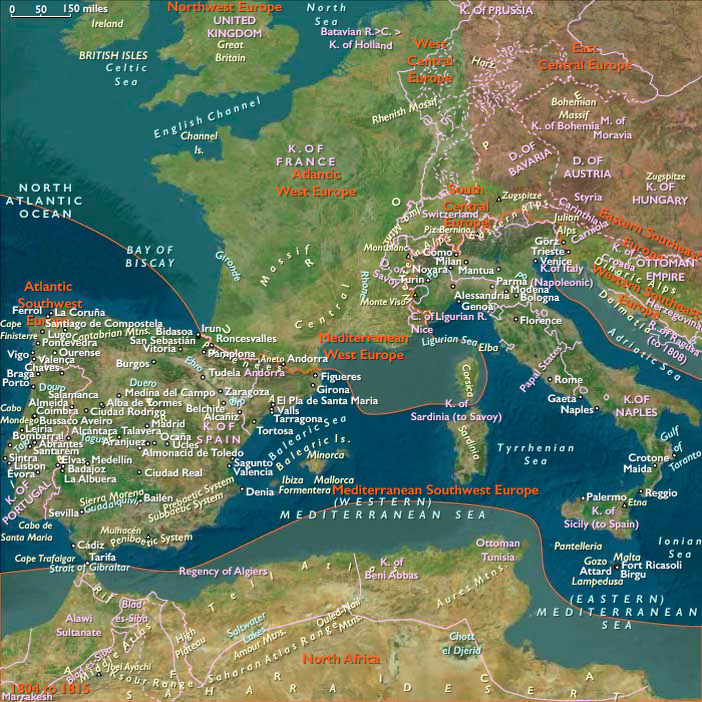
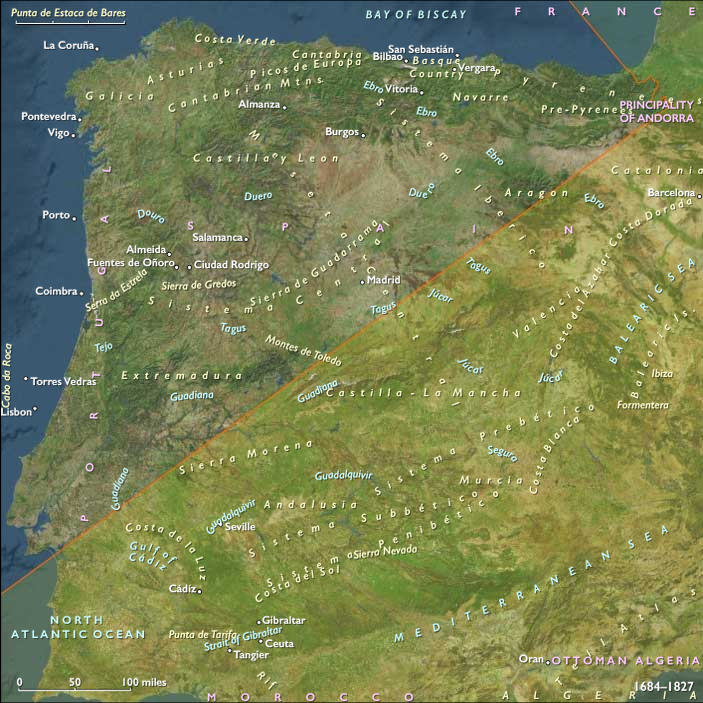
- On November 17, 1807, a Franco-Spanish army under General Andoche Junot crossed the Portuguese border and marched on Lisbon.
- The British, unable to defend their ally, could do little to prevent the fall of Portugal.
- With Lisbon defenseless, Prince Regent João (the future King João VI) and the Portuguese royal family decided to flee to Brazil, ensuring the continuity of the Portuguese monarchy overseas.
- On November 27, 1807, Junot’s army entered Lisbon and took control, marking the first French occupation of Portugal.
The Portuguese Monarchy in Exile – A Unique Response
The flight of the Portuguese royal family to Brazil was unprecedented in European history. Unlike other monarchs who had been toppled by Napoleon, the Portuguese rulers retained their sovereignty by relocating their government to Rio de Janeiro.
This decision not only preserved the Portuguese Empire but also led to the eventual transformation of Brazil into an independent kingdom, shaping the country’s future.
Consequences – The Napoleonic Wars Arrive in Iberia
The occupation of Portugal marked the beginning of the Peninsular War (1807–1814), one of the most brutal and complex conflicts of the Napoleonic Wars. Within months, Napoleon would turn on Spain as well, leading to open rebellion and British intervention, changing the course of the war in Western Europe.
Napoleon believed Portugal had been subdued, but in reality, the war was just beginning.
Locations
People
- Jean-Andoche Junot
- John VI of Portugal
- Manuel de Godoy, Prince of the Peace
- Maria I of Portugal
- Napoleon
Groups
- Portuguese people
- Portuguese Empire
- Portugal, Bragança Kingdom of
- Spain, Bourbon Kingdom of
- Britain, Kingdom of Great
- Brazil, Viceroyalty of
- French First Republic
Topics
Subjects
Regions
Subregions
Years: 1804 - 1815
Locations
People
- Jean-Andoche Junot
- John VI of Portugal
- Manuel de Godoy, Prince of the Peace
- Maria I of Portugal
- Napoleon
Groups
- Portuguese people
- Portuguese Empire
- Portugal, Bragança Kingdom of
- Spain, Bourbon Kingdom of
- Britain, Kingdom of Great
- Brazil, Viceroyalty of
- French First Republic
Topics
Subjects
Regions
Subregions