
Filters:
The Devastation of the Antonine Plague (165–180 …
Years: 160 - 171
The Devastation of the Antonine Plague (165–180 CE)
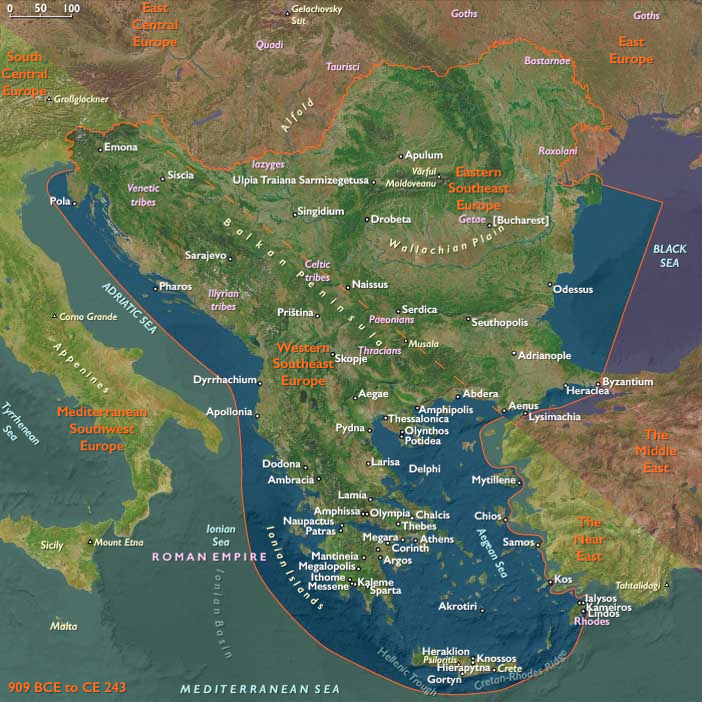
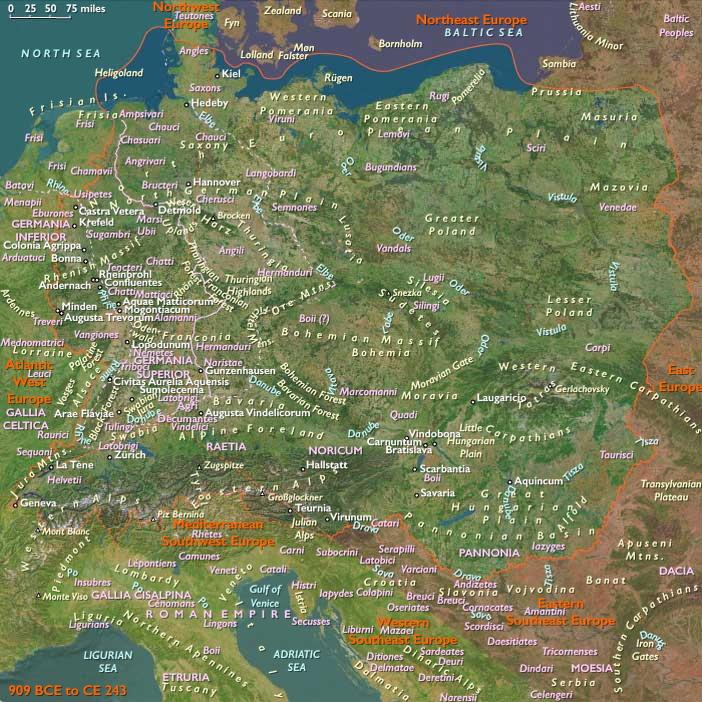
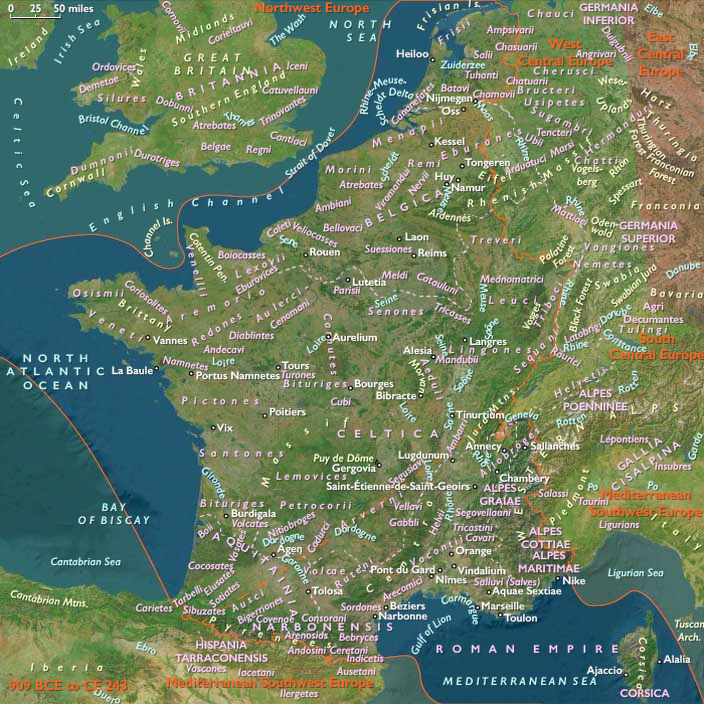
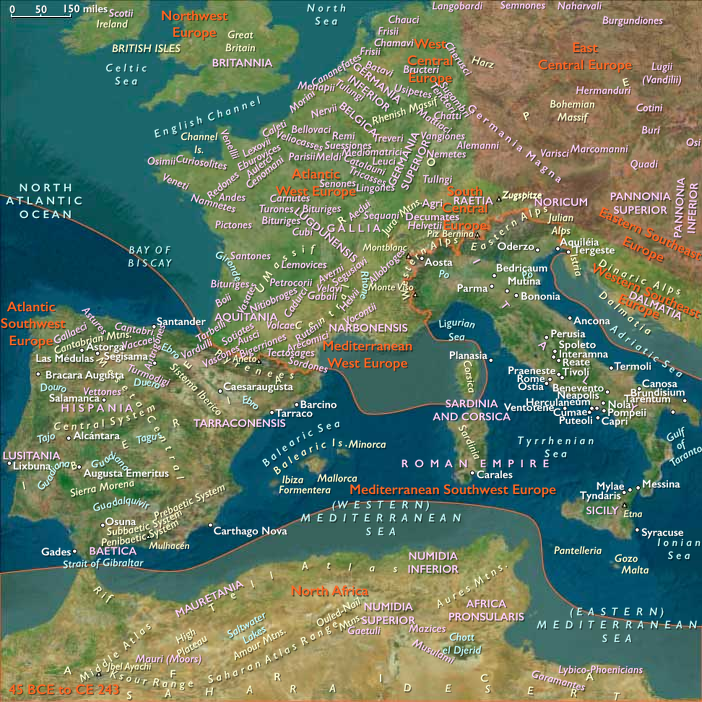
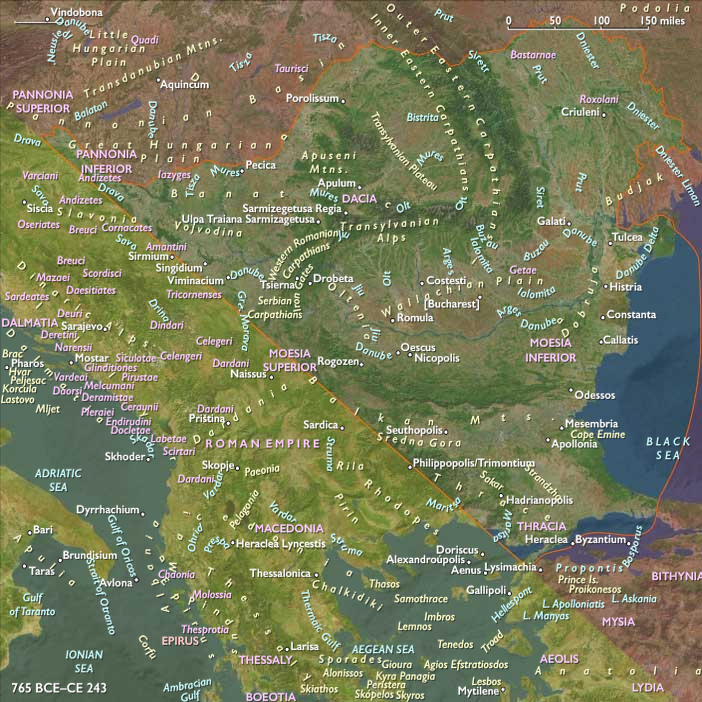
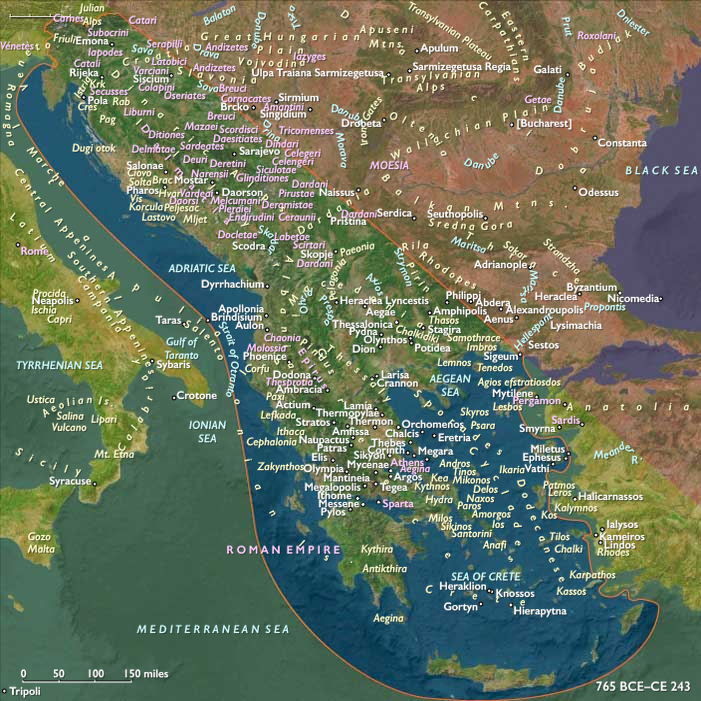
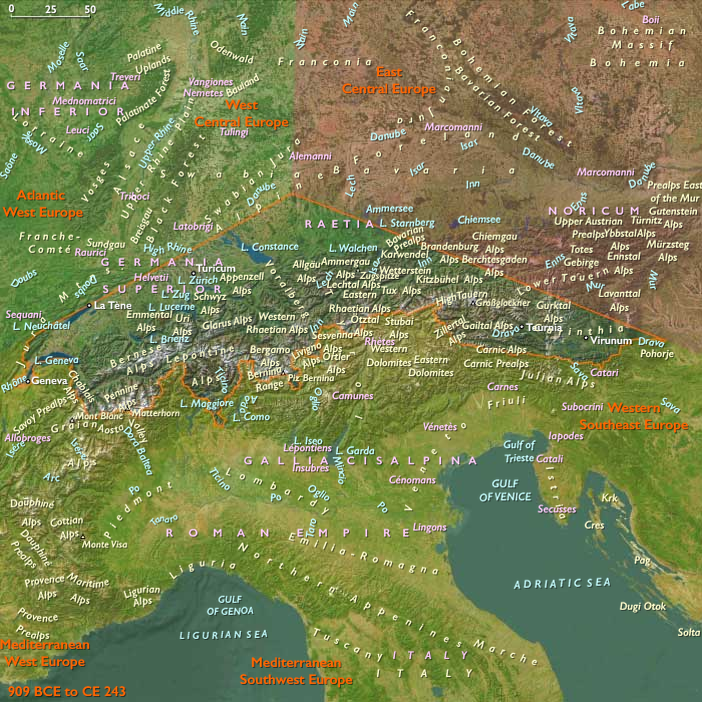
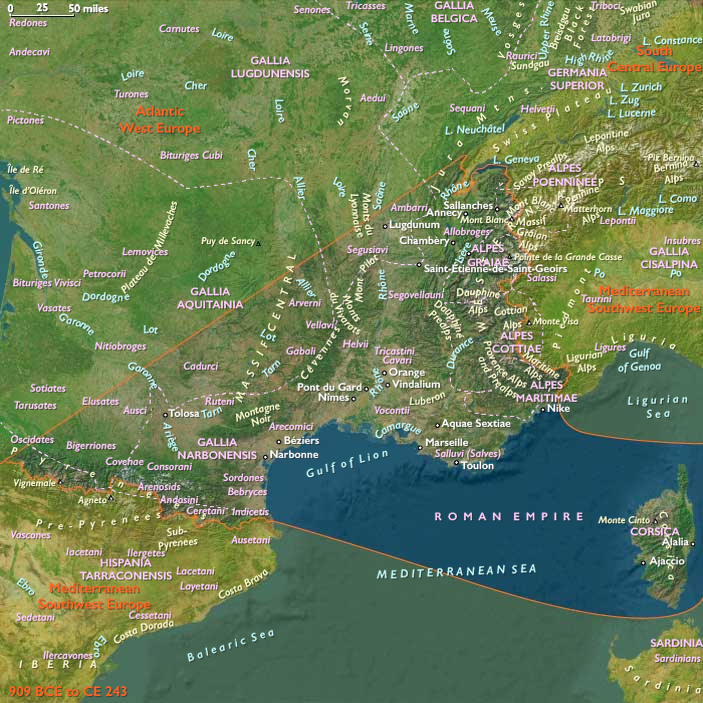
The Antonine Plague, which struck the Roman Empire between 165 and 180 CE, was one of the deadliest pandemics of antiquity, causing widespread depopulation. According to the fifth-century Spanish historian Paulus Orosius, many towns and villages in the Italian Peninsula and across the European provinces were completely abandoned due to the sheer number of deaths.
Impact on the Roman Empire
-
Massive depopulation:
- The plague is estimated to have killed between 5 and 10 million people, including one-quarter to one-third of the population in some areas.
- Many rural villages and urban centers were left deserted, severely impacting agriculture and trade.
-
Spread of the disease:
- Likely introduced by Roman soldiers returning from campaigns in the East, the plague spread rapidly along trade routes.
- Major cities such as Rome, Alexandria, and Lugdunum (Lyon) suffered severe outbreaks.
-
Impact on the Roman military and economy:
- Legions stationed on the frontiers were decimated, weakening Rome’s ability to defend against Germanic and Parthian incursions.
- The economic system suffered due to a shortage of laborers, declining tax revenues, and inflation.
Long-Term Consequences
- Weakened Roman defenses: The loss of manpower in the military contributed to border instability.
- Economic strain: The plague exacerbated existing financial pressures, leading to increased taxation and reliance on mercenary forces.
- Precedent for future pandemics: The Antonine Plague was one of the first major epidemics in Roman history, later followed by the Cyprian Plague (249–270 CE) and the Justinian Plague (541–542 CE).
Conclusion: A Turning Point in Roman Stability
The Antonine Plague marked a critical moment in Roman history, signaling the beginning of long-term demographic and economic decline. Although Rome recovered militarily, the loss of population and shaken stability foreshadowed the challenges the empire would face in the coming centuries.
Groups
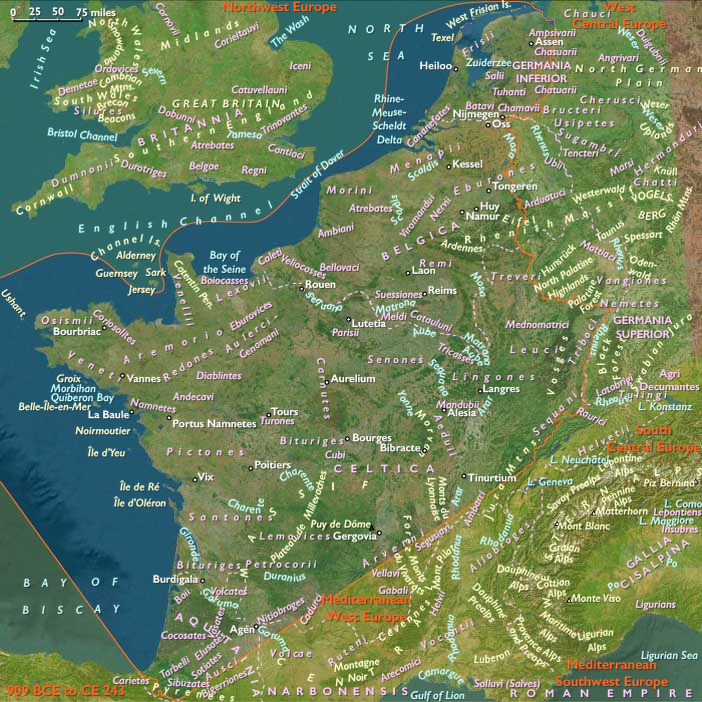
- Gallia Narbonensis (Roman province)
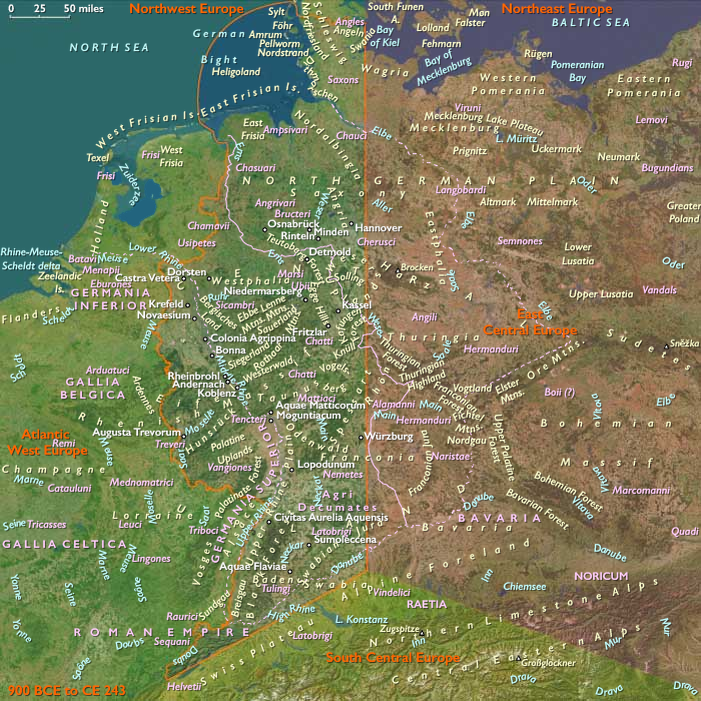
- Germania Superior (Roman province)
- Germania Inferior (Roman province)
- Gallia Belgica (Roman province)
- Gallia Lugdunensis (Roman province)
- Gallia Aquitania (Roman province)
- Italy, Roman
- Roman Empire (Rome): Nerva-Antonine dynasty
Topics
Subjects
Regions
Subregions
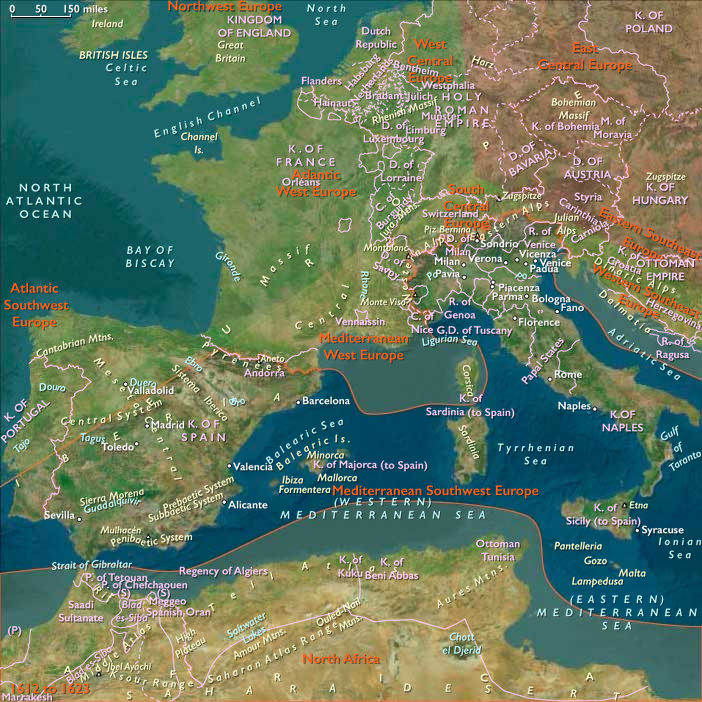
- Eastern Southeast Europe
- Western Southeast Europe
- South Central Europe
- Mediterranean West Europe
- Mediterranean Southwest Europe
- Atlantic West Europe
- West Central Europe
Years: 160 - 171
Groups
- Gallia Narbonensis (Roman province)
- Germania Superior (Roman province)
- Germania Inferior (Roman province)
- Gallia Belgica (Roman province)
- Gallia Lugdunensis (Roman province)
- Gallia Aquitania (Roman province)
- Italy, Roman
- Roman Empire (Rome): Nerva-Antonine dynasty
Topics
Subjects
Regions
Subregions
- Eastern Southeast Europe
- Western Southeast Europe
- South Central Europe
- Mediterranean West Europe
- Mediterranean Southwest Europe
- Atlantic West Europe
- West Central Europe