
Bishop Gregory of Tours Defends Tax Exemption …
Years: 589 - 589
Bishop Gregory of Tours Defends Tax Exemption for Tours Against Childebert II
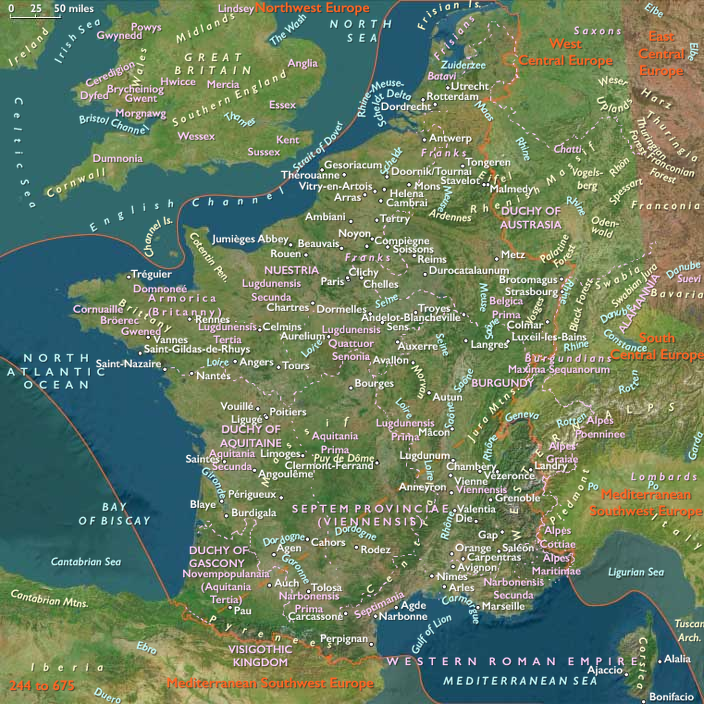
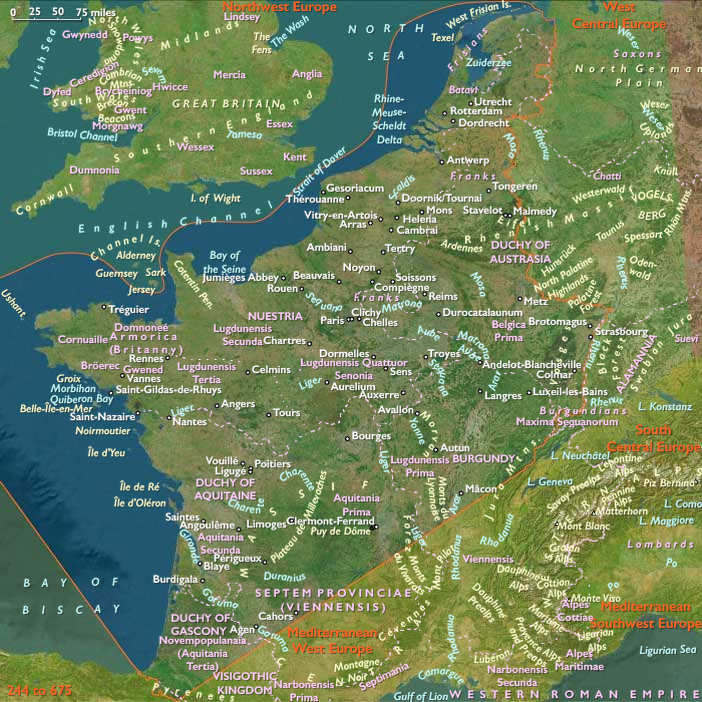
During the reign of Childebert II of Austrasia, Bishop Gregory of Tours successfully opposes the king’s attempts to impose taxes on the citizens of Tours, claiming state immunity previously granted by Fredegund. This episode highlights the growing power of the Church in Frankish politics and its ability to challenge royal authority on fiscal matters.
1. Childebert II’s Attempt to Tax Tours
- Childebert II, ruling Austrasia, seeks to expand royal revenues by taxing the inhabitants of Tours, a city that had historically enjoyed tax exemptions due to its religious significance.
- Tours, home to the revered shrine of St. Martin, had been granted special privileges, including tax immunity.
2. Gregory of Tours’ Opposition
- As bishop of Tours, Gregory invokes the legal precedent set by Fredegund, who had upheld the city’s tax exemption.
- He argues that taxing Tours would violate established Frankish custom and Church privileges.
- Gregory successfully defends Tours’ immunity, preventing Childebert from imposing taxes on the city’s population.
3. The Significance of Gregory’s Victory
- Demonstrates the growing power of the Church, particularly bishops, in shaping fiscal policy.
- Reinforces the idea that holy cities and ecclesiastical centers were outside direct royal taxation, a privilege that would later define the medieval Church’s financial independence.
- Highlights the rivalry between Church and monarchy, as Frankish kings increasingly sought control over ecclesiastical wealth.
Conclusion: The Church’s Strength Against Royal Power
Gregory’s successful opposition to Childebert II’s taxation policy underscores the influence of the Frankish Church in protecting its economic privileges. By invoking Fredegund’s legal precedent, Gregory ensures that Tours remains exempt from royal taxation, setting a precedent for Church autonomy in Frankish fiscal affairs. This event foreshadows future medieval conflicts over secular versus religious financial authority in Europe.
Locations
People
Groups
Topics
Commodoties
Subjects
Regions
Subregions
Related Events
Showing 10 events out of 57256 total
Years: 589 - 589
Locations
People
Groups
Topics
Commodoties
Subjects
Regions
Subregions