
Polynesia (1828–1971 CE) Missions, Colonial Rule, …
Years: 1828 - 1971
Polynesia (1828–1971 CE)
Missions, Colonial Rule, Nuclear Era, and Islander Revivals
Geography & Environmental Context
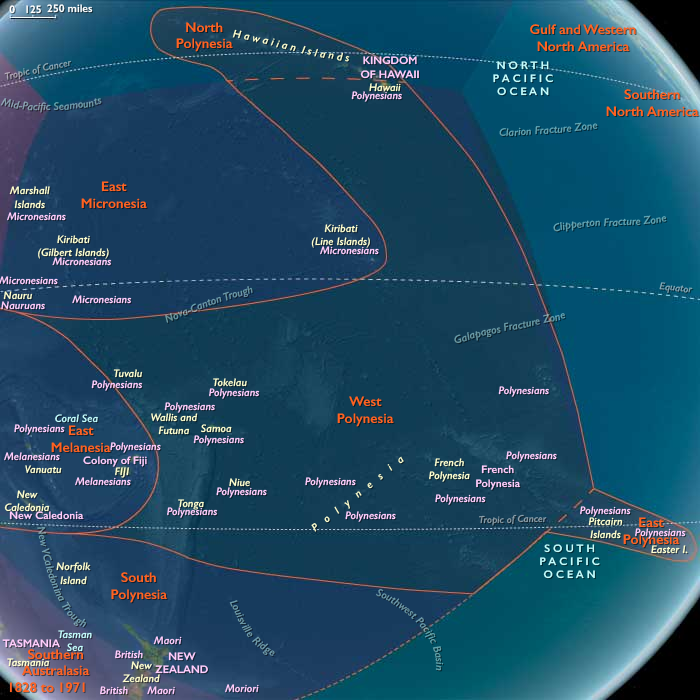
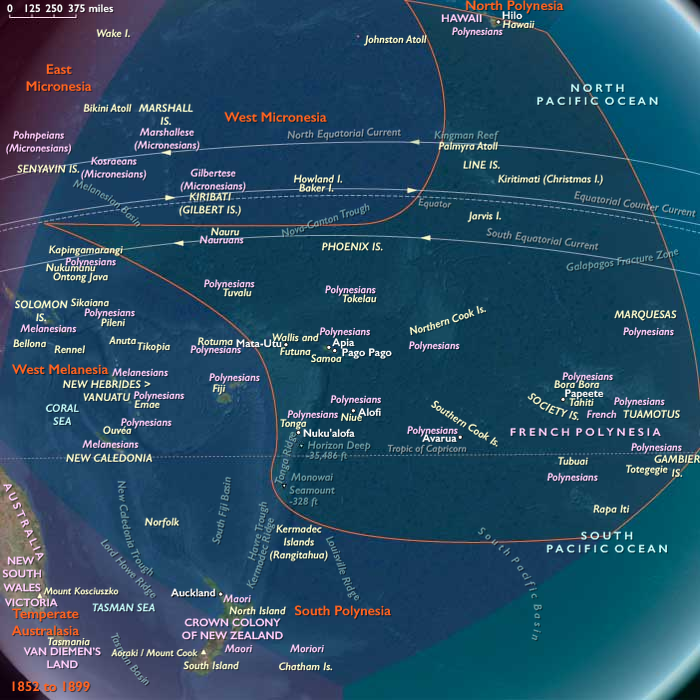
Polynesia in this framework consists of three fixed subregions:
-
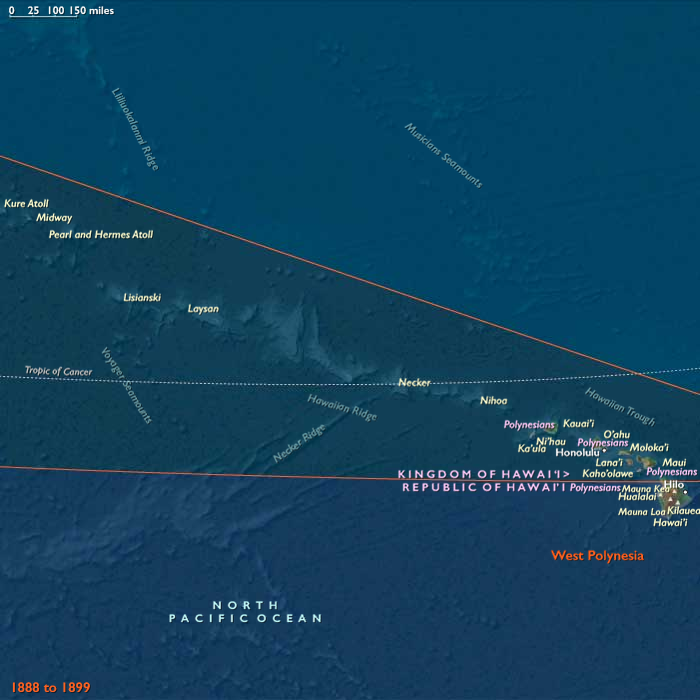
North Polynesia: the Hawaiian Islands except the Big Island of Hawai‘i (i.e., O‘ahu, Maui, Kaua‘i, Moloka‘i, Lāna‘i, Ni‘ihau, Kaho‘olawe) plus Midway Atoll.
-
West Polynesia: the Big Island of Hawai‘i, Tonga, Samoa, Tuvalu, Tokelau, the Cook Islands, and French Polynesia (Tahiti, Society Islands, Tuamotus, Marquesas).
-
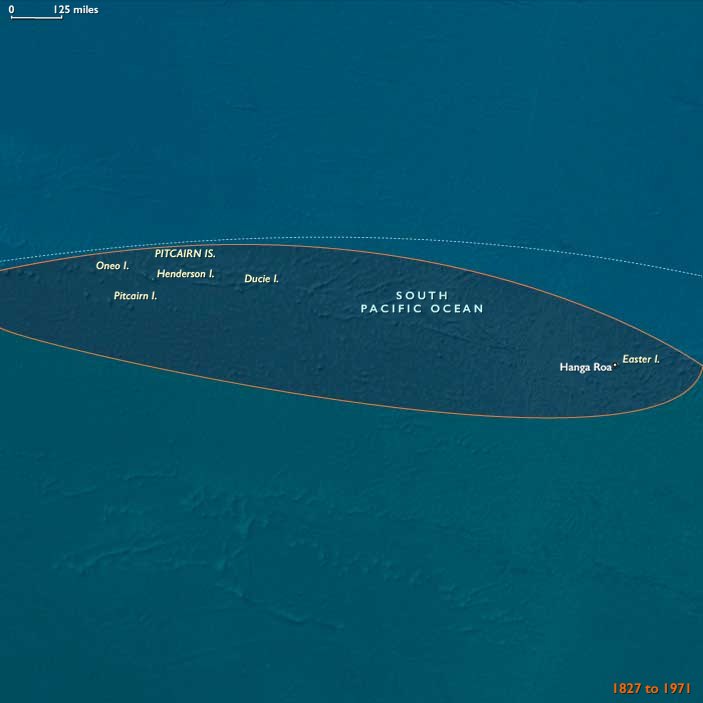
East Polynesia: Pitcairn Island and Rapa Nui (Easter Island).
Across these archipelagos, tropical trade-wind climates prevail, with cyclone belts affecting Samoa, the Cooks, Tuvalu, and Tokelau; volcanic high islands (Hawai‘i, Tahiti, Savai‘i, Upolu) contrast with low coral atolls (Marsh–Tuamotu chains). Reef fisheries, taro and breadfruit groves, and limited freshwater lenses defined ecological limits, while population growth and 20th-century militarization increased pressure on land and lagoons.
Climate & Environmental Shifts
The late 19th century saw variable El Niño–Southern Oscillation (ENSO) events that brought droughts to atolls and heavy rains to high islands. Cyclones periodically devastated coastal settlements and breadfruit groves. In the mid-20th century, runway construction, urbanization, and lagoon dredging altered local hydrology, while radioactive fallout (from French tests in French Polynesia from 1966 and upwind U.S. tests in Micronesia earlier) entered regional anxiety and health debates.
Subsistence & Settlement
-
High islands maintained mixed gardens (taro, yams, bananas), breadfruit orchards, pigs, and intensive reef fishing; plantation sectors (sugar, pineapple in Hawai‘i; copra in French Polynesia, the Cooks, Tuvalu, Tokelau) linked families to cash.
-
Atolls relied on coconuts, preserved breadfruit, pulaka/taro pits, and lagoon fisheries, supplemented by remittances and colonial rations in bad years.
-
Urban hubs—Honolulu (North Polynesia), Apia and Nuku‘alofa (West Polynesia), Pape‘ete (French Polynesia), and Hanga Roa (Rapa Nui)—grew with missions, administration, shipping, and (after WWII) air travel and tourism.
Technology & Material Culture
Mission schools and printing presses spread literacy; schooners and later steamships knit archipelago economies. After 1900, outboard motors, radios, and concrete housing transformed daily life; airfields (e.g., O‘ahu, Tahiti, Rarotonga, Faleolo) opened long-haul links. Material culture hybridized: tapa and fine mats continued alongside cotton cloth; canoe carving persisted while aluminum boats proliferated; church architecture stood beside fale and hale vernacular.
Movement & Interaction Corridors
-
Labor and migration: 19th-century contract labor fed plantations (especially Hawai‘i), followed by 20th-century migration to New Zealand, Australia, and the U.S.; seasonal inter-island voyaging persisted for family, church, and trade.
-
Shipping and air routes: Honolulu and Pape‘ete became trans-Pacific nodes; Apia and Rarotonga connected West Polynesia to Auckland and Sydney.
-
War corridors: WWII militarized North and West Polynesia; bases, runways, and garrisons left long-term economic and environmental footprints.
Cultural & Symbolic Expressions
Christianity became dominant across Polynesia, but customary authority (chiefly systems, matai titles, kāhui ariki)and ritual continued, often braided with church life. Hula, ‘ori Tahiti, siva Samoa, and haka (in nearby Aotearoa/NZ) flourished in new performance circuits, while language retention movements gathered momentum after WWII. In East Polynesia, Pitcairn’s Bounty-descendant culture and Rapa Nui’s rongorongo legacy and moai landscape shaped strong place-based identities.
Environmental Adaptation & Resilience
Atoll communities relied on breadfruit fermentation pits, cisterns, and inter-island kin networks for famine relief. Reef tenure and customary closures (e.g., ra‘ui/kapu) protected fisheries. After cyclones, rebuilding mobilized church groups and village labor. Cash-crop volatility was buffered by subsistence gardens and migration remittances.
Political & Military Shocks
-
North Polynesia: Overthrow of the Hawaiian Kingdom (1893) and U.S. annexation (1898) culminated in statehood (1959); Honolulu became a U.S. military and tourism hub; Midway a strategic naval/air base (Battle of Midway, 1942).
-
West Polynesia:
-
Western Samoa gained independence (1962) after the non-violent Mau movement.
-
Tonga preserved monarchy under treaties; full independence (1970).
-
Cook Islands entered free association with NZ (1965); Tokelau remained NZ-administered; Tuvalu was within the Gilbert & Ellice colony (separation later, 1978).
-
French Polynesia remained under France; nuclear testing at Moruroa and Fangataufa from 1966 triggered protest and laid foundations for autonomy debates.
-
Hawai‘i’s Big Island industrialized sugar/pineapple early, then diversified with tourism and military links as part of the new U.S. state.
-
-
East Polynesia: Pitcairn remained a small British colony (with migration to Norfolk); Rapa Nui was annexed by Chile (1888), leased to ranching companies, and militarized in the mid-20th century, constraining land access and fueling later autonomy claims.
Transition
By 1971, Polynesia had moved from missionary kingdoms and colonial protectorates to a mosaic of independent states, free-association polities, colonies, and a U.S. state. War-time infrastructures, air routes, and mass tourism reoriented economies; diaspora networks tied villages to Auckland, Honolulu, Sydney, and Los Angeles. Nuclear testing in French Polynesia cast a long shadow, while cultural revivals reclaimed dance, language, and chiefly authority. Across atolls and high islands, custom and Christianity, remittances and reefs together sustained Polynesian resilience in the modern era.
Groups
- Hawaiʻi
- Fiji
- Polynesians
- Samoan, or Navigators Islands
- Nauru (Pleasant Island)
- Tahitians
- Easter Island
- Ellice Islands/Tuvalu
- Cook Islanders
- Tokelau
- Hawaiians, Native
- Marquesas Islands
- Tonga, Kingdom of
- Christians, Roman Catholic
- Protestantism
- Niue, Kingdom of
- Pitcairn Islands (United Kingdom overseas territory)
- Australia, British
- London Missionary Society
- United States of America (US, USA) (Washington DC)
- Hawaii, Kingdom of
- New Zealand, (British) Crown Colony of
- French Polynesia
- New Zealand, British Colony of
- Easter Island, Chilean province of
- Nauru (German colony)
- Hawaii, Republic of
- Hawaii, Territory of (U.S.A.)
- New Zealand, (British) Dominion of
- Nauru (Australian colony)
- Samoa, Western (New Zealandish colony)
- Australia, Commonwealth of
- French Polynesia, (French) Territory of
- France (French republic); the Fourth Republic
- New Zealand (Aotearoa)
- France (French republic); the Fifth Republic
- Hawaii, State of (U.S.A.)
- Samoa, Western
- Cook Islands
- Nauru, Republic of
Topics
- Little Ice Age, Warm Phase I
- Little Ice Age (LIA)
- World War, Second (World War II)
- Second World War in the Pacific
- Hawaiian Renaissance
Commodoties
- Rocks, sand, and gravel
- Fish and game
- Hides and feathers
- Grains and produce
- Fibers
- Ceramics
- Salt
- Sweeteners
- Lumber
Subjects
- Commerce
- Symbols
- Watercraft
- Environment
- Labor and Service
- Decorative arts
- Government
- Custom and Law
- Technology
- Human Migration
Regions
Subregions
Related Events
Showing 10 events out of 19829 total
Years: 1828 - 1971
Groups
- Hawaiʻi
- Fiji
- Polynesians
- Samoan, or Navigators Islands
- Nauru (Pleasant Island)
- Tahitians
- Easter Island
- Ellice Islands/Tuvalu
- Cook Islanders
- Tokelau
- Hawaiians, Native
- Marquesas Islands
- Tonga, Kingdom of
- Christians, Roman Catholic
- Protestantism
- Niue, Kingdom of
- Pitcairn Islands (United Kingdom overseas territory)
- Australia, British
- London Missionary Society
- United States of America (US, USA) (Washington DC)
- Hawaii, Kingdom of
- New Zealand, (British) Crown Colony of
- French Polynesia
- New Zealand, British Colony of
- Easter Island, Chilean province of
- Nauru (German colony)
- Hawaii, Republic of
- Hawaii, Territory of (U.S.A.)
- New Zealand, (British) Dominion of
- Nauru (Australian colony)
- Samoa, Western (New Zealandish colony)
- Australia, Commonwealth of
- French Polynesia, (French) Territory of
- France (French republic); the Fourth Republic
- New Zealand (Aotearoa)
- France (French republic); the Fifth Republic
- Hawaii, State of (U.S.A.)
- Samoa, Western
- Cook Islands
- Nauru, Republic of
Topics
- Little Ice Age, Warm Phase I
- Little Ice Age (LIA)
- World War, Second (World War II)
- Second World War in the Pacific
- Hawaiian Renaissance
Commodoties
- Rocks, sand, and gravel
- Fish and game
- Hides and feathers
- Grains and produce
- Fibers
- Ceramics
- Salt
- Sweeteners
- Lumber
Subjects
- Commerce
- Symbols
- Watercraft
- Environment
- Labor and Service
- Decorative arts
- Government
- Custom and Law
- Technology
- Human Migration
Regions
Subregions