
West Antarctica (820 – 963 CE): Icebound …
Years: 820 - 963
West Antarctica (820 – 963 CE): Icebound Mountains, Polar Plateaus, and Unpeopled Frontiers
Geographic and Environmental Context
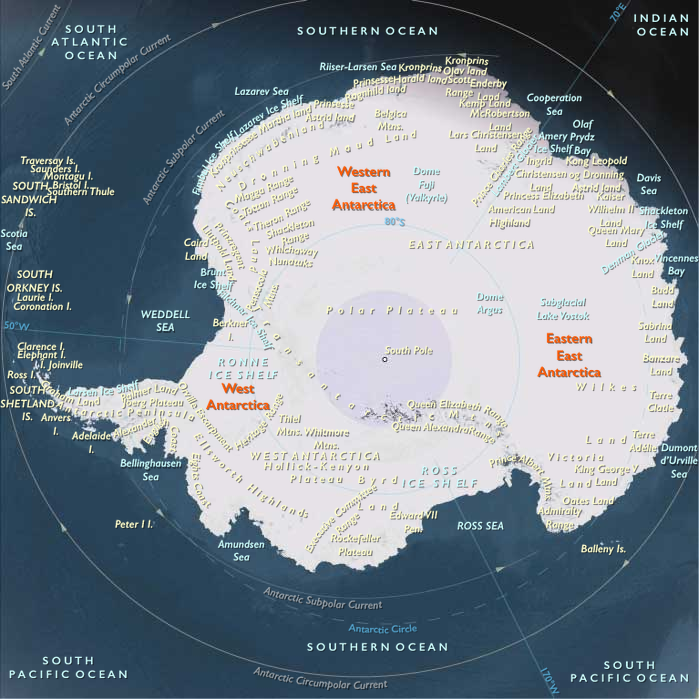
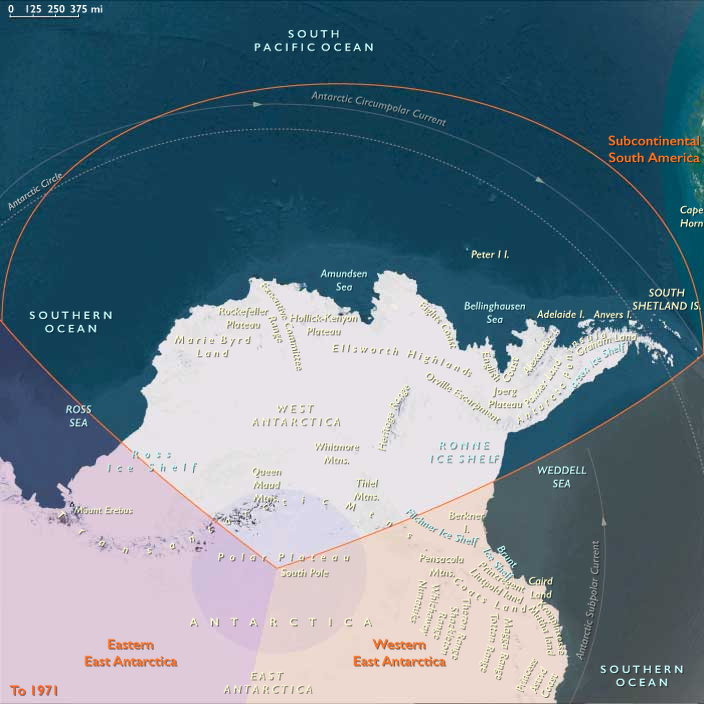
West Antarctica includes the South Shetland Islands, the Antarctic Peninsula, and the continental expanse running south to the Polar Plateau.
It encompasses:
-
Mountain systems: the Central Transantarctic Mountains, Queen Maud Mountains, Whitmore and Thiel Mountains, Heritage and Executive Committee Ranges, and the Ellsworth Highlands.
-
Plateaus: Rockefeller, Hollick-Kenyon, and Joerg Plateaus.
-
Marie Byrd Land, with its glaciated coastal margins and interior ice fields.
-
Ice shelves: the Ronne–Filchner, Ross (western sectors), and the fringing shelves of Marie Byrd Land.
This third of Antarctica was (and remained) entirely uninhabited, dominated by glaciers, ice sheets, and isolated nunataks.
Climate and Environmental Shifts
-
Late Holocene neoglacial conditions persisted, with cold stable temperatures, extensive sea ice, and heavy precipitation in the Peninsula–South Shetland sector.
-
The Polar Plateau remained one of the coldest places on Earth, with katabatic winds sweeping down from interior domes.
-
Mountain ranges and nunataks projected above the ice, providing micro-niches for extremophile lichens and mosses.
-
Polynyas (open-water zones in winter sea ice) sustained marine productivity along the coasts of the Weddell, Amundsen, and Ross Seas.
Societies and Political Developments
-
No human presence: the climate, distance, and isolation kept West Antarctica beyond the reach of all human exploration in this age.
-
Knowledge of such a landmass existed only as myth or speculation in distant cultures — not as a confirmed reality.
Economy and Trade
-
None locally.
-
Ecologically, marine life thrived: vast krill populations, seabird colonies, penguins, and pinnipeds. These resources remained undisturbed by hunting.
Subsistence and Technology
-
Not applicable to humans.
-
Ecological systems revolved around:
-
Adélie and chinstrap penguins, concentrated on ice-free coastal sites.
-
Seals (crabeater, leopard, Weddell) on ice edges.
-
Whales exploiting krill-rich waters in summer feeding migrations.
-
Movement and Interaction Corridors
-
Marine corridors: seasonal openings in pack ice along the Weddell, Bellingshausen, and Ross Seas allowed seal and whale migrations.
-
Glacial systems: the Polar Plateau fed massive ice streams draining into the Ronne–Filchner and Ross shelves.
Belief and Symbolism
-
No direct human cosmologies tied to West Antarctica, though in Polynesia and South America there were oral traditions of unknown southern lands.
Adaptation and Resilience
-
Ecosystem resilience: penguin rookeries, krill swarms, and seal colonies adapted to annual ice cycles.
-
Micro-niches: mosses and lichens clung to nunatak ridges, surviving in extreme cold.
Long-Term Significance
By 963 CE, West Antarctica was a pristine wilderness, ecologically thriving but entirely beyond human presence. Its mountains, plateaus, and ice shelves remained untouched, forming the last great uninhabited quarter of Earth.
Topics
Subjects
Regions
Subregions
Years: 820 - 963
Topics
Subjects
Regions
Subregions