
Vsevolod had tried to come back to …
Years: 1138 - 1138
Vsevolod had tried to come back to Novgorod at the head of an army in 1137, but had instead withdrawn to Pskov, where he dies in February 1138.
He is buried according to his own wishes in the Church of St. Demetrius in Pskov.
Locations
People
Groups
- Finns
- Estonians
- Slavs, East
- Rus' people
- Novgorod, Principality of
- Pskov, Principality of (Pskov Republic)
- Kievan Rus', or Kiev, Great Principality of
- Chernigov (Chernihiv), Principality of
- Pereslavl, Principality of
- Sweden, Kingdom of
Commodoties
Subjects
Regions
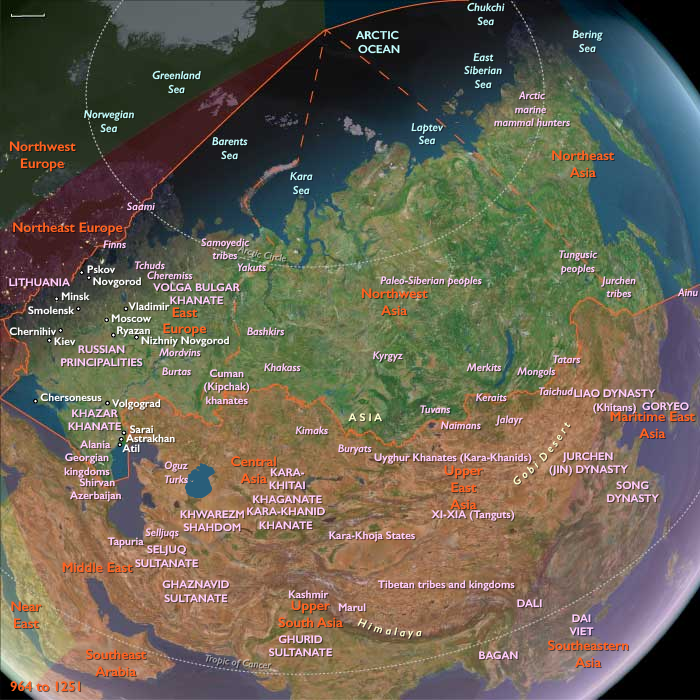
Subregions
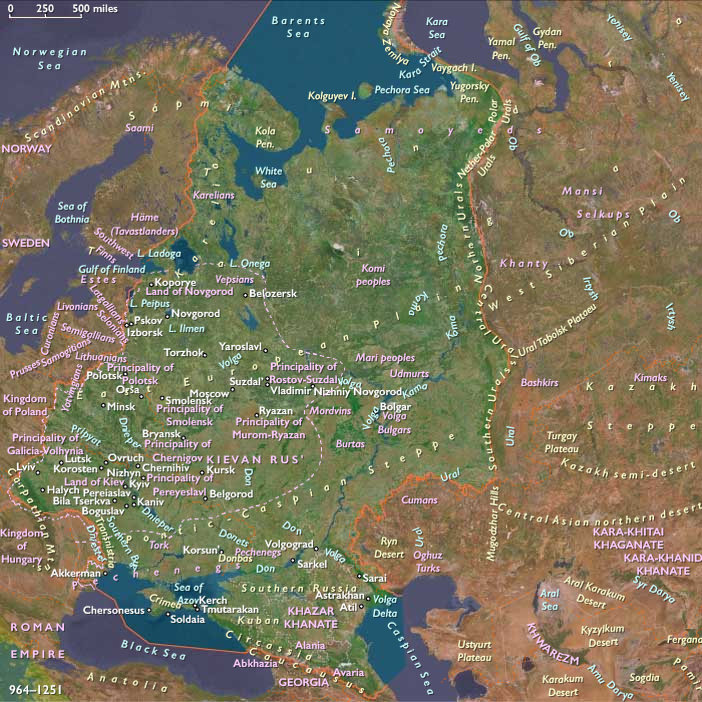
Related Events
Showing 10 events out of 49027 total
Years: 1138 - 1138
Locations
People
Groups
- Finns
- Estonians
- Slavs, East
- Rus' people
- Novgorod, Principality of
- Pskov, Principality of (Pskov Republic)
- Kievan Rus', or Kiev, Great Principality of
- Chernigov (Chernihiv), Principality of
- Pereslavl, Principality of
- Sweden, Kingdom of
Commodoties
Subjects
Regions
Subregions