
Filters:
Vercingetorix’s Rise and the Gallic Rebellion Against …
Years: 52BCE - 52BCE
April
Vercingetorix’s Rise and the Gallic Rebellion Against Rome (52 BCE)
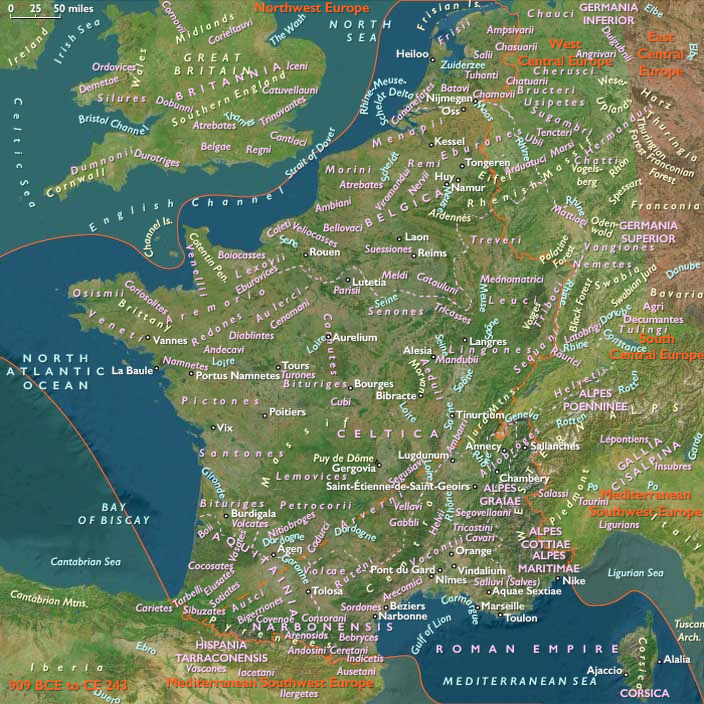
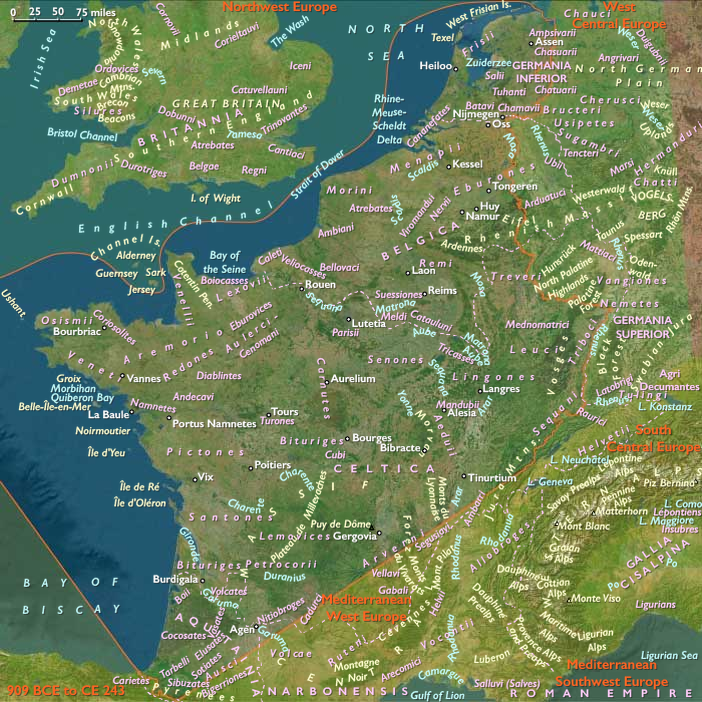
Vercingetorix, a young nobleman from Gergovia, emerged as the leader of the Gallic revolt against Rome in 52 BCE. His leadership transformed disparate Gallic tribes into a unified resistance, posing the greatest challenge to Julius Caesar’s conquest of Gaul.
The Rise of Vercingetorix and the Formation of a United Gallic Army
- Initially, Vercingetorix attempted to rally support in Gergovia, but the city’s nobles, including his uncle Gobanitio, expelled him, fearing that rebellion against Rome was too risky.
- Undeterred, he raised an army of the poor, seized Gergovia by force, and was hailed as king.
- He forged alliances with other Gallic tribes and was unanimously granted supreme command of their armies.
- To enforce unity, he imposed strict discipline, demanded hostages from allied tribes, and executed those who defied his orders.
Vercingetorix’s Military Strategy: Scorched Earth and Tactical Retreats
- He implemented an early example of scorched earth warfare, burning towns and villages to deny the Romans food and supplies.
- He retreated to naturally fortified locations, forcing Caesar’s legions to fight on difficult terrain.
- His strategy of avoiding open-field battles frustrated Roman supply lines and weakened their ability to sustain a prolonged campaign.
Early Successes and the Roman Defeat at Gergovia
- Vercingetorix and his 90,000-strong army won minor engagements against Caesar and his chief lieutenant, Labienus.
- The first major battle took place at Gergovia, a well-fortified hilltop stronghold.
- There, Vercingetorix inflicted a rare and humiliating defeat on Caesar, forcing the Romans to retreat with heavy casualties.
The Aftermath: Heavy Losses and the Retreat to Alesia
- Despite the victory, Vercingetorix suffered significant losses, including many noble warriors.
- Realizing he could not sustain further large-scale losses, he retreated to another fortified position, the hilltop town of Alesia.
- At Alesia, he would make his final stand against the Romans, leading to the decisive siege that would determine the fate of Gaul.
Significance of Vercingetorix’s Resistance
- He united the Gallic tribes in a way never before seen, creating a serious threat to Roman expansion.
- His scorched earth tactics and strategic retreats showcased military innovation and discipline among the Gauls.
- Although he won one of Caesar’s rare defeats at Gergovia, his strategy ultimately led to the climactic Battle of Alesia, where Rome would seek to end Gallic resistance once and for all.
Vercingetorix’s campaign represents the last great effort of Gaul to resist Roman rule, making him one of history’s most iconic resistance leaders.
Locations
People
Groups
Topics
- Classical antiquity
- Pre-Roman Iron Age of Northern Europe
- Roman Age Optimum
- Roman Republic, Crisis of the
- Gallic Wars
Commodoties
Subjects
Regions
Subregions
Years: 52BCE - 52BCE
April
Locations
People
Groups
Topics
- Classical antiquity
- Pre-Roman Iron Age of Northern Europe
- Roman Age Optimum
- Roman Republic, Crisis of the
- Gallic Wars
Commodoties
Subjects
Regions
Subregions