
Venice emerges as an independent city-state in …
Years: 727 - 727
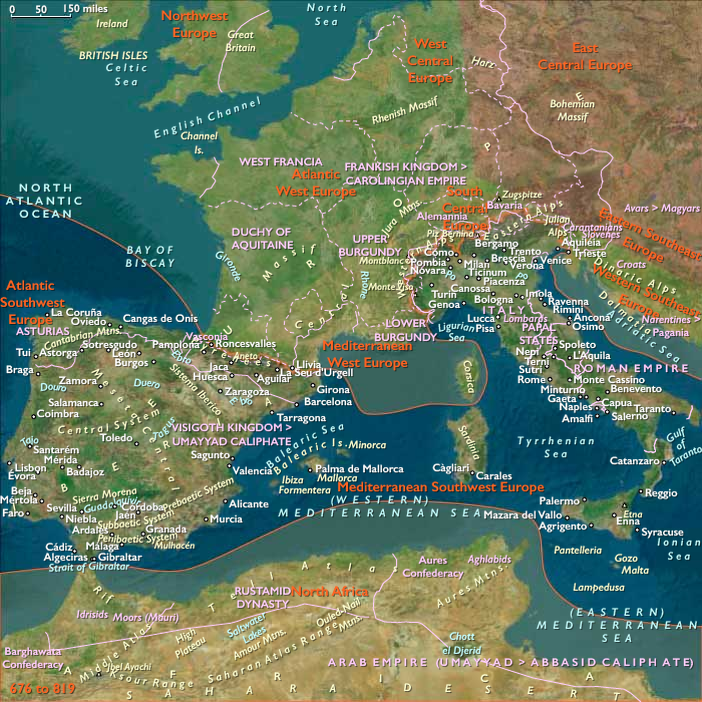
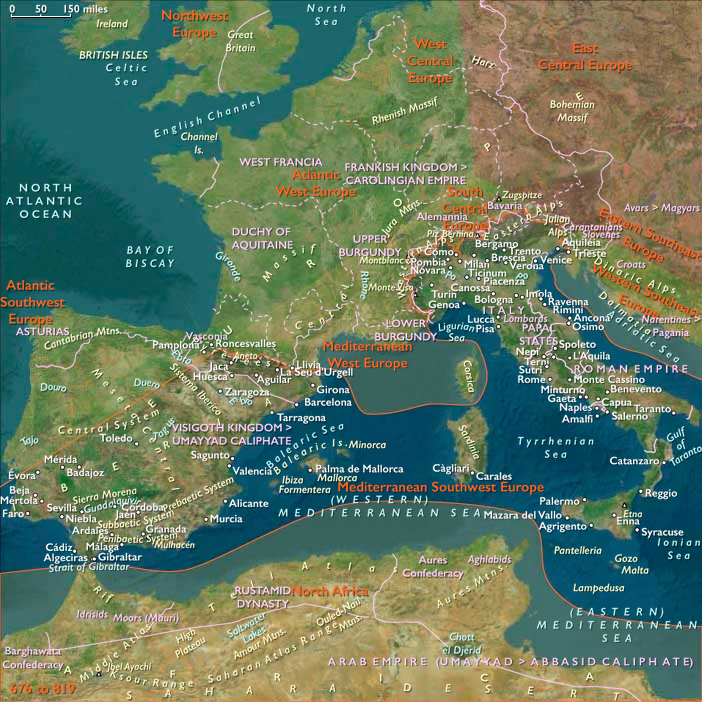
Venice emerges as an independent city-state in the first half of the eighth century.
Venetian authority becomes concentrated in the city-state’s first doge, whose title derives from the Latin “dux” ("leader").
Orso Ipato, the third traditional Doge of Venice, is the first historically known.
Elected leader of Venice around 726, will eventually be appointed Roman consul by Emperor Leo III.
According to John Julius Norwich (A History of Venice. Alfred A. Knopf: New York, 1982), Paolo Lucio Anafesto, the reputed first doge of Venice, was actually Exarch Paul.
Moreover, Paul's magister militum had the same first name as Paoluccio's reputed successor, Marcellus Tegallianus, casting doubt on the authenticity of that doge as well.
As popular revolts against iconoclasm break out in the late 720s in Venice, ...
Locations
People
Groups
- Lombards (West Germanic tribe)
- Christianity, Chalcedonian
- Greeks, Medieval (Byzantines)
- Pentapolis, Duchy of the
- Rome, Duchy of
- Lombards (Italy), Kingdom of the
- Ravenna, Exarchate of
- Naples, Duchy of
- Roman Empire, Eastern: Isaurian dynasty
- Venice, Duchy of
Topics
Commodoties
Subjects
- Commerce
- Symbols
- Environment
- Labor and Service
- Conflict
- Mayhem
- Faith
- Government
- Custom and Law
- Technology
- Movements
- Theology
- Christology
Regions
Subregions
Years: 727 - 727
Locations
People
Groups
- Lombards (West Germanic tribe)
- Christianity, Chalcedonian
- Greeks, Medieval (Byzantines)
- Pentapolis, Duchy of the
- Rome, Duchy of
- Lombards (Italy), Kingdom of the
- Ravenna, Exarchate of
- Naples, Duchy of
- Roman Empire, Eastern: Isaurian dynasty
- Venice, Duchy of
Topics
Commodoties
Subjects
- Commerce
- Symbols
- Environment
- Labor and Service
- Conflict
- Mayhem
- Faith
- Government
- Custom and Law
- Technology
- Movements
- Theology
- Christology
Regions
Subregions