
Jovinus' Victories Over the Alemanni and the …
Years: 368 - 368
Jovinus' Victories Over the Alemanni and the Securing of Gaul (366–367 CE)
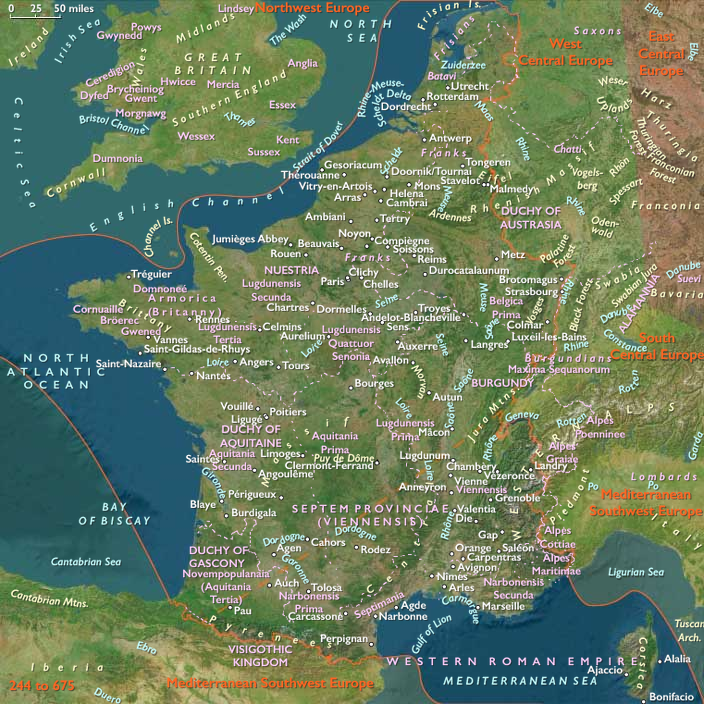
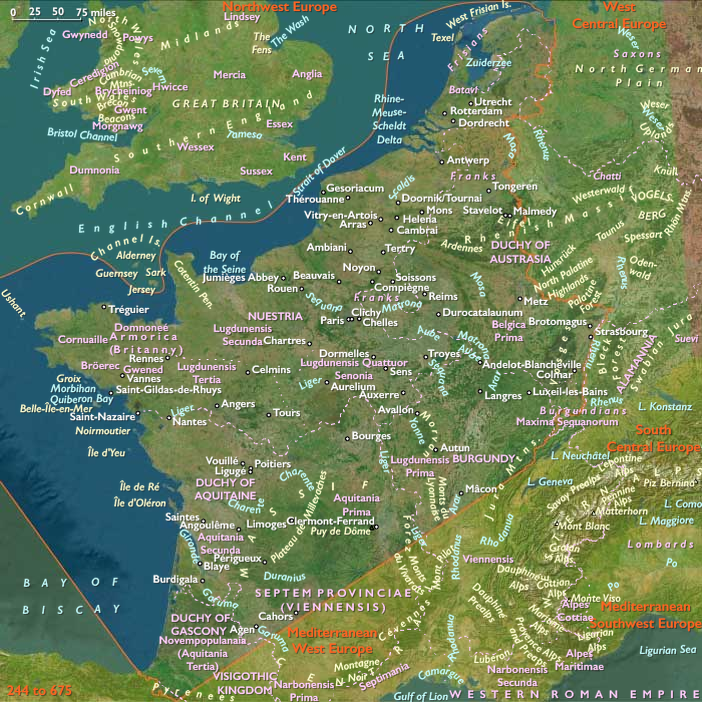
During the reign of Valentinian I (r. 364–375 CE), his general Jovinus achieved a series of significant victories over the Alemanni, securing the Rhine frontier and stabilizing Gaul for years. The third and most decisive battle took place at Durocatalaunum (modern Châlons-sur-Marne, France), where Jovinus inflicted heavy casualties on the Alemanni, ensuring a period of Roman dominance in the region.
1. The Alemanni Threat and Roman Response
- Throughout the mid-4th century, the Alemanni had been a persistent threat to Roman Gaul, frequently crossing the Rhine frontier and conducting raids deep into Roman territory.
- Valentinian I, a highly militarized emperor, sought to eliminate this threat, assigning Jovinus, one of his most capable generals, to lead Roman forces against the Germanic invaders.
2. The Three Victories of Jovinus Against the Alemanni
- First Engagement (c. 366 CE) – Jovinus defeated an invading Alemannic force, pushing them back across the Rhine.
- Second Engagement (c. 367 CE) – Another major Roman victory further weakened the Alemanni, limiting their ability to launch large-scale raids.
- Third Engagement at Durocatalaunum (Châlons-sur-Marne, 367 CE) –
- This was the decisive battle in the campaign.
- Jovinus inflicted devastating casualties, effectively breaking Alemannic resistance in Gaul.
- The Alemanni were forced into a prolonged period of retreat, securing Roman dominance in northeastern Gaul.
3. The Consequences of Jovinus’ Victories
- Gaul was secured for years, ensuring relative stability in the province.
- The Rhine frontier was reinforced, preventing large-scale incursions from Germanic tribes.
- Valentinian I’s military strategy proved effective, strengthening Rome’s control over its western provinces.
4. Conclusion: A Critical Victory for Rome
Jovinus’ series of victories over the Alemanni, culminating in the Battle of Durocatalaunum (367 CE), marked a major success for Rome in its efforts to defend Gaul. His military skill and decisive leadership ensured that the region remained in Roman hands, delaying the barbarian pressures that would eventually contribute to the fall of the Western Roman Empire in the 5th century.
Locations
People
Groups
- Gallia Lugdunensis (Roman province)
- Alamanni (Germanic tribal alliance)
- Gaul, Diocese of
- Gaul, Praetorian prefecture of
- Roman Empire: Valentinian dynasty (Rome)
Topics
Commodoties
Subjects
Regions
Subregions
Years: 368 - 368
Locations
People
Groups
- Gallia Lugdunensis (Roman province)
- Alamanni (Germanic tribal alliance)
- Gaul, Diocese of
- Gaul, Praetorian prefecture of
- Roman Empire: Valentinian dynasty (Rome)
Topics
Commodoties
Subjects
Regions
Subregions