
Valentinian I Strengthens the Line of Succession: …
Years: 367 - 367
Valentinian I Strengthens the Line of Succession: The Proclamation of Gratian as Co-Emperor (367 CE)
In an effort to secure the imperial succession, Emperor Valentinian I proclaimed his eight-year-old son, Gratian, as co-emperor (Augustus) on August 24, 367 CE. This move was intended to reinforce dynastic stability, ensuring that Valentinian’s family retained control over the Western Roman Empire.
1. The Political and Military Context
- By 367 CE, Valentinian had successfully defended Gaul and Britain from barbarian incursions, but he remained concerned about the long-term stability of the empire.
- The empire was already divided into East and West, with his brother Valens ruling the Eastern Empire.
- By elevating Gratian, Valentinian established a direct hereditary succession, reducing the risk of civil war upon his death.
2. The Education of Gratian and the Role of Ausonius
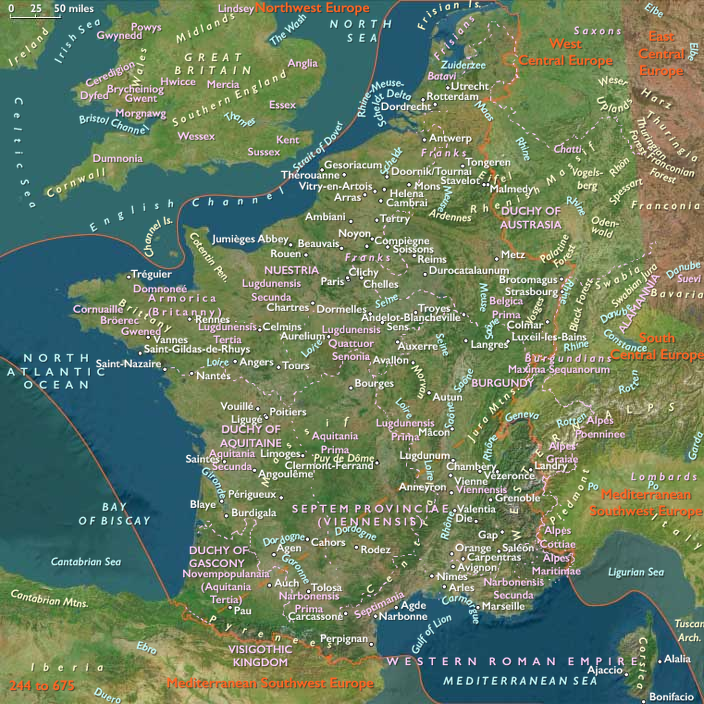
- Recognizing the importance of a well-educated emperor, Valentinian entrusted Gratian’s education to Decimus Magnus Ausonius, a renowned poet, scholar, and teacher from Burdigala (modern Bordeaux).
- Ausonius was an esteemed rhetorician and grammarian, who taught in the famous schools of Bordeaux, making him one of the most respected intellectuals of his time.
- Valentinian appointed Ausonius as Praetorian Prefect, giving him significant political influence in the imperial administration.
3. Implications of Gratian’s Appointment
- Legitimacy: Proclaiming a young co-emperor signaled dynastic continuity, reinforcing the Valentinian dynasty’s claim to power.
- Stability: By securing an heir early, Valentinian hoped to prevent succession disputes and potential usurpations.
- Eastern Relations: The move likely reassured Valens, his co-emperor in the East, that the Western Empire would remain in family hands.
4. The Legacy of Gratian’s Rule
- When Valentinian died unexpectedly in 375 CE, Gratian succeeded him as Emperor of the West, ruling alongside his younger half-brother, Valentinian II.
- Gratian’s reign (367–383 CE) was marked by:
- Religious reforms favoring Christianity over pagan traditions.
- Continued struggles against barbarian threats, particularly the Goths and Alemanni.
- His eventual downfall in 383 CE, when he was overthrown by the usurper Magnus Maximus.
5. Conclusion: Valentinian’s Attempt to Secure the Dynasty
By elevating Gratian as co-emperor in 367 CE, Valentinian hoped to ensure the continuity of his dynasty, but the political realities of the late Roman Empire made stability difficult to maintain. Despite Gratian’s formal succession, the Western Empire soon faced internal struggles and external threats, demonstrating the challenges of dynastic rule in the later Roman world.
Locations
People
Groups
- Gallia Aquitania (Roman province)
- Gaul, Diocese of
- Gaul, Praetorian prefecture of
- Roman Empire: Valentinian dynasty (Rome)
Topics
Subjects
Regions
Subregions

Related Events
Showing 10 events out of 59668 total
Years: 367 - 367
Locations
People
Groups
- Gallia Aquitania (Roman province)
- Gaul, Diocese of
- Gaul, Praetorian prefecture of
- Roman Empire: Valentinian dynasty (Rome)
Topics
Subjects
Regions
Subregions