
Urukagina, alternately rendered as Uruinimgina, is a …
Years: 2361BCE - 2350BCE
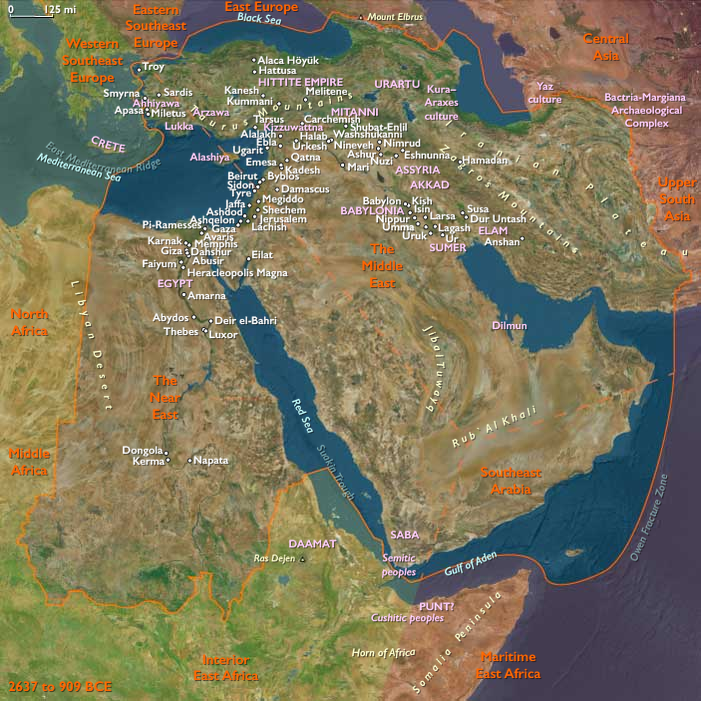
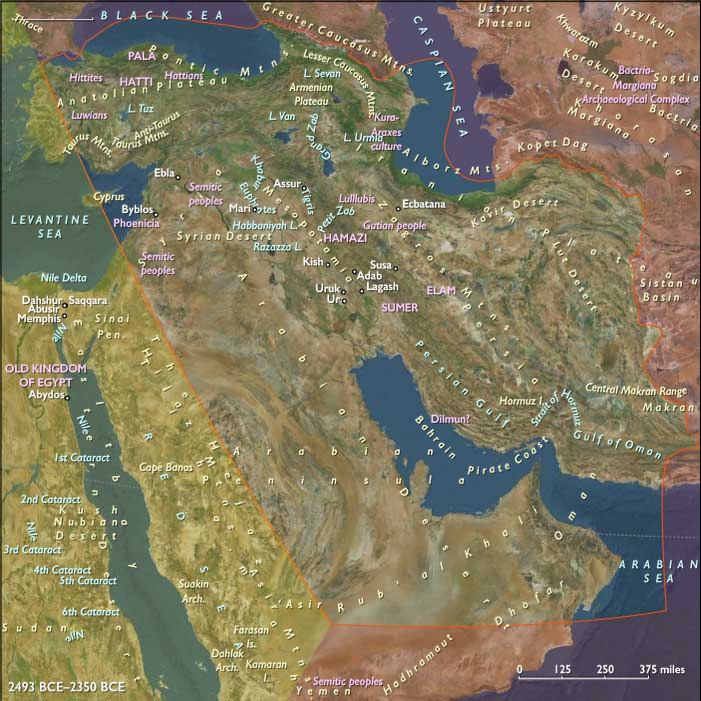
Urukagina, alternately rendered as Uruinimgina, is a ruler (énsi) of Lagash in Mesopotamia about the twenty-fourth century BCE, is best-known for his reforms to combat corruption, which are sometimes cited as the first example of a judicial code.
Although the actual text has not been discovered yet, much of its content may be surmised from other references to it that have been found.
In it, he exempts widows and orphans from taxes; compels the city to pay funeral expenses (including the ritual food and drink libations for the journey of the dead into the lower world); and decrees that the rich must use silver when purchasing from the poor man, and if the poor does not wish to sell, the powerful man (the rich man or the priest) cannot force him to do so.
Urukagina's code is perhaps the first known example of government self-reform.
Like the Magna Carta and the United States Constitution that followed (and like the Codes of Hammurabi, et al.
to some degree), Urukagina's code limits the power of politicians, governing government.
The text describing Urukagina's reforms is also the first known use of the word freedom, in this case the Sumerian ama-gi.
Urukagina frees the inhabitants of Lagash from usury, burdensome controls, hunger, theft, murder, and seizure (of their property and persons).
He also participates in several conflicts, notably a losing border conflict with Uruk.
During his reign, Uruk falls under the leadership of Lugal-Zage-Si, patesi of Umma, who ultimately overthrows Urukagina, annexes Lagash, and establishes a Mesopotamian Empire.
Locations
People
Groups
- Mesopotamia
- Sumer
- Ur, city-state of
- Uruk, city-state of
- Kish, City-state of
- Umma, city-state of
- Lagash, 1st Dynasty of
Topics
Commodoties
Subjects
- Commerce
- Environment
- Labor and Service
- Conflict
- Faith
- Government
- Custom and Law
- Technology
- Anthropology
- Archaeology
Regions
Subregions
Years: 2361BCE - 2350BCE
Locations
People
Groups
- Mesopotamia
- Sumer
- Ur, city-state of
- Uruk, city-state of
- Kish, City-state of
- Umma, city-state of
- Lagash, 1st Dynasty of
Topics
Commodoties
Subjects
- Commerce
- Environment
- Labor and Service
- Conflict
- Faith
- Government
- Custom and Law
- Technology
- Anthropology
- Archaeology
Regions
Subregions