
Upper South Asia (909 BCE – 819 …
Years: 909BCE - 819
Upper South Asia (909 BCE – 819 CE): Early Iron and Antiquity — Mahājanapadas to Guptas, Kushans & Pālas, Himalayan Polities
Geographic & Environmental Context
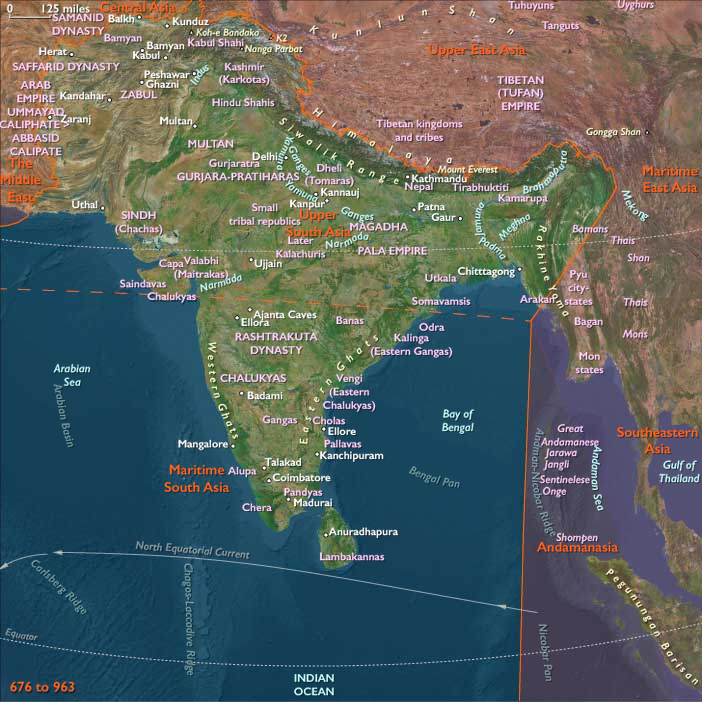
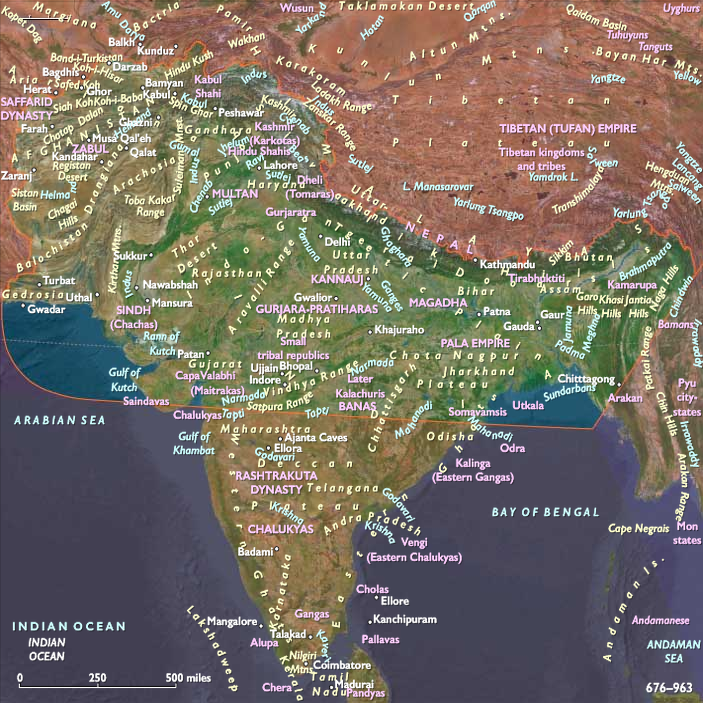
Upper South Asia includes Afghanistan, Pakistan, North India, Nepal, Bhutan, Bangladesh, and north-western Myanmar (northern Arakan/Rakhine and the Chindwin valley).
Anchors: the Hindu Kush–Kabul–Gandhāra gateways (Kabul, Swat, Peshawar); the Indus–Punjab rivers (Ravi, Beas, Chenab, Jhelum, Sutlej); the Thar–Ghaggar margins; the Ganga–Yamuna Doab and Middle Ganga plain; Kashmir, the Siwalik/Terai belts, the Brahmaputra–Meghna delta (Sundarbans) and Chittagong Hills, plus the Chindwin–northern Arakan corridor.
Climate & Environmental Shifts
-
First-millennium oscillations: alternating dry spells in the northwest and humid stability in the east.
-
Rice agriculture anchored the Ganga–Brahmaputra lowlands; wheat, barley, and pulses shaped the Punjab.
-
Steppe aridity cycles across Afghanistan and Central Asia influenced migration and trade along the Khyber–Bolan passes.
Societies & Political Developments
-
Mahājanapada Age (~600–300 BCE): Sixteen city-states and republics competed until the Mauryan Empire(4th–3rd c. BCE) unified the Doab under Chandragupta Maurya; Aśoka’s inscriptions spread dhamma ideals from Gandhāra to Orissa.
-
Indo-Greek, Śaka, and Kushan Kingdoms (1st–3rd c. CE): controlled Gandhāra–Punjab trade; Gandhāran Buddhist art fused Hellenistic and Indian forms.
-
Gupta Empire (4th–6th c. CE): a classical florescence—Sanskrit literature, stone temple architecture, and iron-plough agronomy flourished.
-
Hūṇa Invasions (5th–6th c.) fractured Gupta unity; regional dynasties (Aulikara, Maitraka, Vākāṭaka) rose.
-
Pāla Dynasty (8th–9th c.) in Bengal–Bihar revived imperial reach under Dharmapāla; Buddhist universities at Nālandā and Vikramaśīla drew scholars from across Asia.
-
Kathmandu Valley (Licchavi rule, c. 4th–8th c.) urbanized Himalayan trade; Bhutan remained a constellation of monastic–clan polities.
-
Northwestern Myanmar (Arakan & Chindwin): small Buddhist chiefdoms linked Bengal and Upper Myanmar through river exchange.
Economy & Trade
-
Agrarian base: iron ploughs and irrigation expanded rice cultivation; sugar pressing, textile weaving, and metalcrafts diversified surplus.
-
Trade corridors: the Khyber–Bolan gateways, Ganga riverine traffic, and Bengal delta ports connected the subcontinent to Iran, Arabia, and Southeast Asia.
-
Exports: cotton cloth, pepper, ivory, and beads; Imports: horses, gold, and silver.
-
Monastic and temple pilgrimages stimulated internal commerce and urban growth.
Technology & Material Culture
-
Iron metallurgy and advanced smithing; water-management works in the eastern plains.
-
Temple and stūpa architecture in stone and brick; Gandhāran stucco and sculpture blending Indian and Mediterranean motifs.
-
Coinages from punch-marked silver to Kushan copper-gold and Gupta gold dinars signaled monetized exchange.
Belief & Symbolism
-
Buddhism, Jainism, and Hindu traditions coexisted; Aśokan pillars and Gupta temples embodied ethical and cosmic order.
-
Pāla patrons sponsored the great mahāvihāras; the bhakti current stirred popular devotion.
-
Ritual landscapes—from the Ganga ghats to Himalayan caves—encoded pilgrimage and power.
Adaptation & Resilience
-
Eastern rice surpluses offset western drought losses.
-
Multiple trade routes and caravan–river redundancy ensured recovery after wars.
-
Himalayan buffer states mediated trans-range exchange and provided refuge for monks and merchants.
-
Caste, guild, and monastic institutions stabilized production and learning through political flux.
Transition
By 819 CE, Upper South Asia stood as a multi-core civilization:
-
the Pālas governing the east,
-
post-Gupta successor states in the north,
-
Kushan legacies in the northwest,
-
and Licchavi Kathmandu anchoring the Himalayan hinge.
Its synthesis of agrarian expansion, intellectual vitality, and trans-Asian connectivity laid the foundations for the medieval resurgence of pilgrimage kingdoms and temple economies that would follow.
Groups
- Kirat people
- Gandhara grave, or Swat, culture
- Hinduism
- Gandhāra
- Vedic period
- Painted Grey Ware culture
- Kuru Kingdom
- Panchalas, Kingdom of the
- Kashi, Kingdom of
- Magadha Empire, Pradyota dynasty
- Gandhara, Kingdom of
- Mahajanapadas
- Magadha Empire, Haryanka dynasty
- Achaemenid Empire
- Kosala, Kingdom
- Jainism
- Achaemenid, or First Persian, Empire
- Buddhism
- Magadha Empire, Nanda Dynasty
- Kalinga
- Greece, Hellenistic
- Maurya Empire
- Shunga Empire
- Indo-Greeks, Kingdom of the
- Indo-Scythians
- Magadha, Kanva Kingdom of
- Kushan Empire
- Gandhāra
- Gupta Empire
- Guptas, Later
- Harsha (Harsavardhana), Empire of (Thaneswar)
- Gurjara-Pratihara
- Palas of Bengal, Empire of the
Commodoties
- Weapons
- Gem materials
- Colorants
- Domestic animals
- Grains and produce
- Fibers
- Textiles
- Strategic metals
Subjects
- Painting and Drawing
- Environment
- Decorative arts
- Faith
- Government
- Custom and Law
- Technology
- Philosophy and logic
Regions
Subregions
Related Events
Showing 10 events out of 66848 total
Years: 909BCE - 819
Groups
- Kirat people
- Gandhara grave, or Swat, culture
- Hinduism
- Gandhāra
- Vedic period
- Painted Grey Ware culture
- Kuru Kingdom
- Panchalas, Kingdom of the
- Kashi, Kingdom of
- Magadha Empire, Pradyota dynasty
- Gandhara, Kingdom of
- Mahajanapadas
- Magadha Empire, Haryanka dynasty
- Achaemenid Empire
- Kosala, Kingdom
- Jainism
- Achaemenid, or First Persian, Empire
- Buddhism
- Magadha Empire, Nanda Dynasty
- Kalinga
- Greece, Hellenistic
- Maurya Empire
- Shunga Empire
- Indo-Greeks, Kingdom of the
- Indo-Scythians
- Magadha, Kanva Kingdom of
- Kushan Empire
- Gandhāra
- Gupta Empire
- Guptas, Later
- Harsha (Harsavardhana), Empire of (Thaneswar)
- Gurjara-Pratihara
- Palas of Bengal, Empire of the
Commodoties
- Weapons
- Gem materials
- Colorants
- Domestic animals
- Grains and produce
- Fibers
- Textiles
- Strategic metals
Subjects
- Painting and Drawing
- Environment
- Decorative arts
- Faith
- Government
- Custom and Law
- Technology
- Philosophy and logic
Regions
Subregions