
Northwest Asia (49,293 – 28,578 BCE): Upper …
Years: 49293BCE - 28578BCE
Northwest Asia (49,293 – 28,578 BCE): Upper Pleistocene I — Mammoth-Steppe Foragers and Ural–Altai Corridors
Geographic and Environmental Context
Northwest Asia includes the lands from the Ural Mountains east to ~130°E, encompassing Western and Central Siberia.
-
Anchors: Ob–Irtysh steppe valleys, Altai foothills, Yenisei terraces, Ural forelands.
-
Sea levels lower, steppe–tundra extended widely across western Siberia; glaciers capped the Altai ranges.
Climate & Environmental Shifts
-
Last Glacial Maximum: cold, arid; permafrost deep; loess plains extended; river channels braided, unstable.
-
Steppe–tundra mosaics supported megafauna.
Subsistence & Settlement
-
Foragers hunted mammoth, woolly rhinoceros, bison, horse, and reindeer; riverside camps exploited fish and waterfowl.
-
Rock shelters in Altai and Minusinsk served as recurrent winter bases.
Technology & Material Culture
-
Blade–microblade industries, burins, scrapers; bone/antler points; eyed needles for tailored clothing.
-
Portable ornaments: drilled teeth, ivory beads, ochre.
Movement & Interaction Corridors
-
Ob–Irtysh–Yenisei rivers structured mobility; Altai passes linked to Mongolia; Ural forelands tied to Eastern Europe.
Cultural & Symbolic Expressions
-
Cave art in the Altai (e.g., figurative engravings); ochred burials with personal ornaments; animal figurines.
Environmental Adaptation & Resilience
-
High mobility between steppe–river–shelter zones buffered harsh winters; tailored hide clothing ensured survival.
Topics
Commodoties
Subjects
Regions
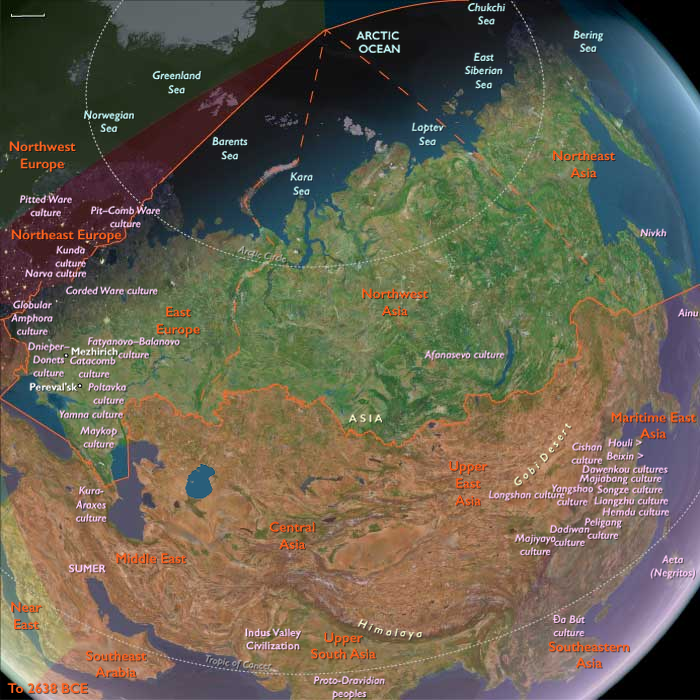
Subregions
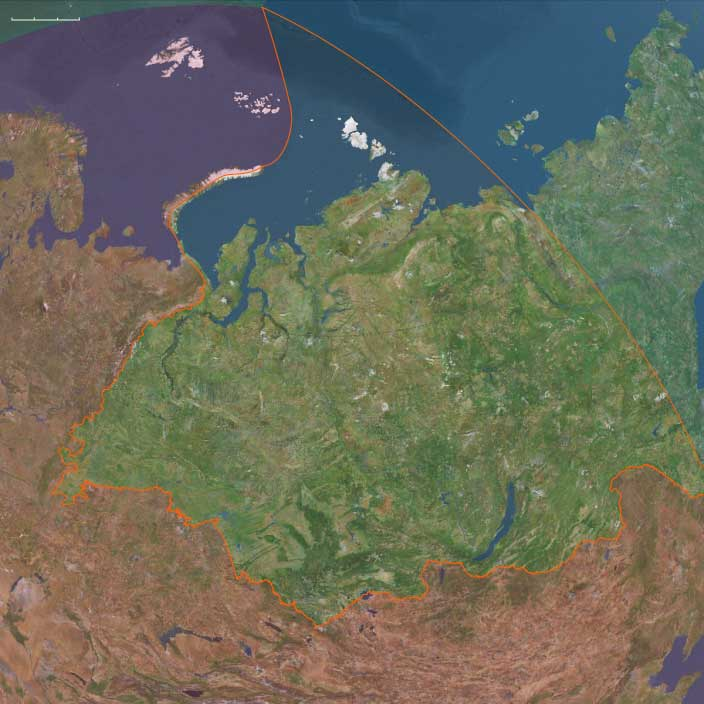
Related Events
Showing 10 events out of 69706 total
Years: 49293BCE - 28578BCE
Topics
Commodoties
Subjects
Regions
Subregions