
The Rise of Tomar and the Knights …
Years: 1162 - 1162
The Rise of Tomar and the Knights Templar in Portugal (1159–1162)
Beneath the modern city of Tomar lies the ancient Roman city of Sellium, a settlement that predates the medieval fortifications built during the Portuguese Reconquista. After the conquest of the region from the Moors, King Afonso I of Portugal granted the lands in 1159 as a fief to the Order of the Knights Templar, entrusting them with the defense and settlement of central Portugal.
Gualdim Pais and the Founding of Tomar (1160)
In 1160, Gualdim Pais, the Grand Master of the Templars in Portugal and the legendary founder of Tomar, laid the first stone of the Castle and Monastery of Tomar, which would become the headquarters of the Order in Portugal. The site’s selection was steeped in mysticism and divine inspiration, with legends claiming that geomantic practicesguided the decision, much like the seven hills of Jerusalem, Rome, and Constantinople. Tomar itself was built upon a small chain of seven elevations, reinforcing the site’s symbolic and spiritual significance.
The Foral and the Governance of the Templars (1162–12th Century)
In 1162, Gualdim Pais granted a foral (a feudal charter) to the settlers of Tomar, establishing the town’s rights and privileges. The Knights Templar governed a vast region of central Portugal, pledged to defend it from Moorish incursions and raids.
Like many lords of the sparsely populated frontier lands, the Templars offered relatively liberal conditions to attract new settlers, in contrast to the more rigid feudal structures of northern Portugal.
- Men capable of sustaining a horse were obliged to serve in the military in exchange for privileges but were not granted the title of knight, which remained reserved for monk-warriors of the Order.
- Women were also admitted to the Order, though they did not participate in combat, marking a unique feature in Templar governance.
Under Templar rule, Tomar flourished, becoming a stronghold of military, religious, and economic power that would later play a crucial role in the development of Portugal.
Locations
People
Groups
- Moors
- Muslims, Sunni
- Christians, Roman Catholic
- Templar, Knights (Poor Knights of Christ and of the Temple of Solomon)
- Almohad Caliphate
- Portugal, Burgundian (Alfonsine) Kingdom of
Topics
Commodoties
Subjects
Regions
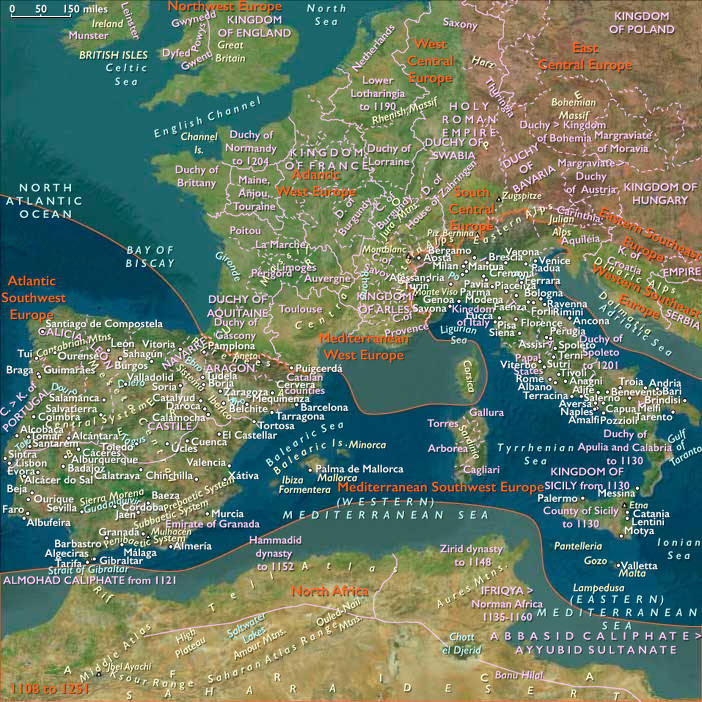
Subregions
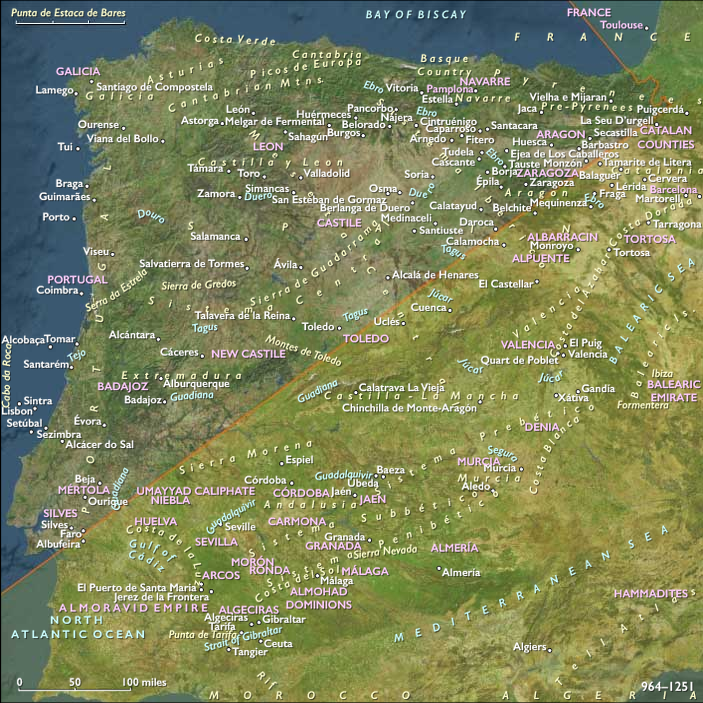
Related Events
Showing 10 events out of 48509 total
Years: 1162 - 1162
Locations
People
Groups
- Moors
- Muslims, Sunni
- Christians, Roman Catholic
- Templar, Knights (Poor Knights of Christ and of the Temple of Solomon)
- Almohad Caliphate
- Portugal, Burgundian (Alfonsine) Kingdom of
Topics
Commodoties
Subjects
Regions
Subregions