
Two Acts of the Parliament of Great …
Years: 1768 - 1768
January
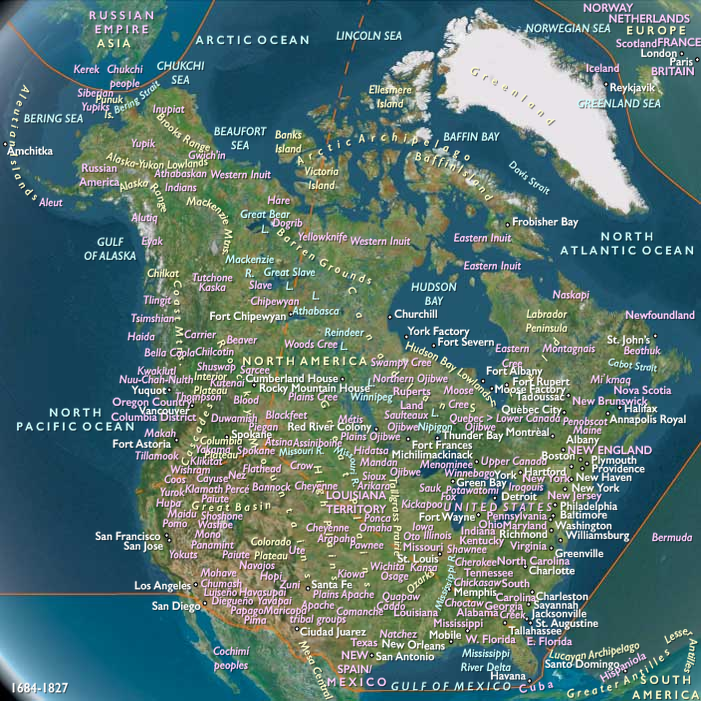
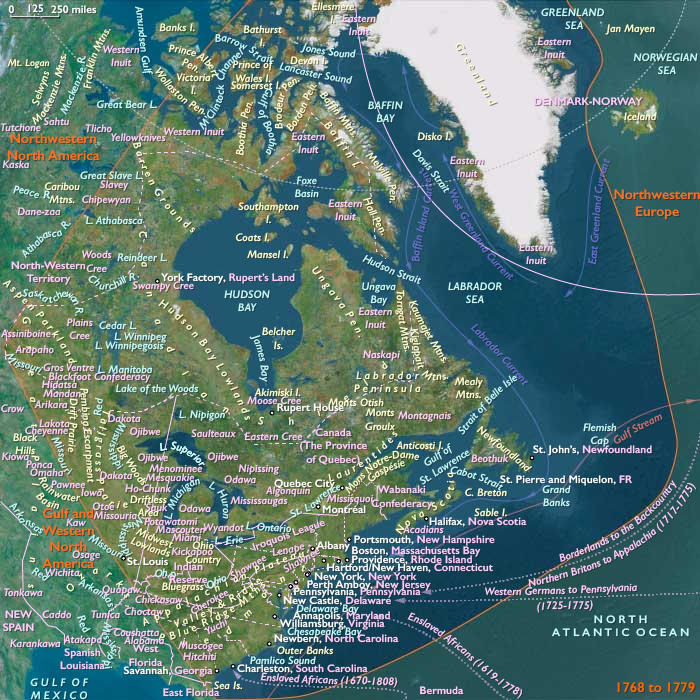
Two Acts of the Parliament of Great Britain passed on July 2, 1767, originally proposed by the Chancellor of the Exchequer Charles Townshend, place a tax on common products imported into the American Colonies, such as lead, paper, paint, glass, and tea, while giving revenues from these taxes to the British governors and other officials that are normally paid by town assemblies.
In contrast to the Stamp Act of 1765, the laws are not a direct tax, but rather a tax on imports.
The Townshend Acts have also created three new admiralty courts to try Americans and reaffirmed the legality of writs of assistance, which give tax collectors permission to search for smuggled goods (these smuggled goods would be sold in England and the European countryside for profit to Britain).
When Virginia's royal governor, Norborne Berkeley, Lord Boretourt, discovers that prominent figures in Virginia society intend to resist the Act, he dissolves the House of Burgesses.
The representatives thereupon march down the street to reassemble at a private home.
Here they issue the Virginia Nonimportation Resolution signed by the colony's "principle gentlemen"; among whom are Thomas Jefferson, Patrick Henry, Carter Braxton, Richard Henry Lee, and George Washington.
Locations
People
- Charles Townshend
- George Washington
- Norborne Berkeley, 4th Baron Botetourt
- Patrick Henry
- Richard Henry Lee
- Thomas Jefferson
Groups
Topics
Commodoties
Subjects
Regions
Subregions
Related Events
Showing 10 events out of 26116 total
Years: 1768 - 1768
January
Locations
People
- Charles Townshend
- George Washington
- Norborne Berkeley, 4th Baron Botetourt
- Patrick Henry
- Richard Henry Lee
- Thomas Jefferson
Groups
Topics
Commodoties
Subjects
Regions
Subregions