
Filters:
Henry of Lausanne: A Charismatic Heretic and …
Years: 1145 - 1145
Henry of Lausanne: A Charismatic Heretic and His Challenge to the Church (c. 1121–1145 CE)
Henry of Lausanne, a controversial itinerant preacher, gained widespread influence in 12th-century Francethrough his ascetic lifestyle, rejection of Church authority, and calls for radical reform. His teachings and movement were seen as dangerous heresies by the established Church, drawing opposition from major figures like Peter of Cluny and Bernard of Clairvaux.
Early Ministry and Preaching at Le Mans (1121)
- Henry’s origins are obscure, but he may have been a Benedictine monk from Cluny before turning to an itinerant life of preaching and reform.
- He arrived in Le Mans in March 1121, likely from Lausanne, and began preaching while Bishop Hildebert was absent.
- His sermons attracted huge crowds, especially among women and the lower classes, urging penitence, personal piety, and a rejection of ecclesiastical corruption.
- He denounced the invocation of saints, extravagance, and second marriages.
- Women discarded their jewelry, and young men married prostitutes in an effort to reform them, acts that scandalized the clergy.
- His charismatic presence—described as tall, barefoot, with a beard, long hair, flashing eyes, and a sonorous voice—made him a powerful religious figure.
- Clergy in Le Mans became the targets of abuse, and Church authority was rejected, prompting concern from Hildebert upon his return.
Disputation with Bishop Hildebert and Expulsion from Le Mans
- Upon his return, Bishop Hildebert confronted Henry in a public disputation.
- According to the Acta Episcoporum Cenomannensium, Henry was found less guilty of heresy than of ignorancebut was still forced to leave the city.
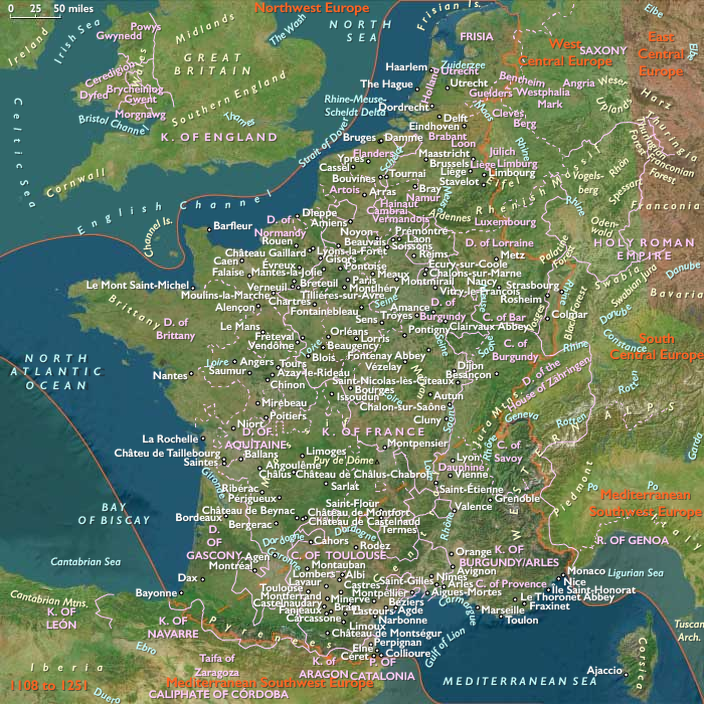
- He traveled to Poitiers, Bordeaux, and later Arles, continuing his preaching and gathering followers.
Arrest and Trial Before Pope Innocent II (1134)
- By 1134, Henry was arrested by the Archbishop of Arles and brought before Pope Innocent II at the Council of Pisa.
- He was forced to abjure his errors and sentenced to imprisonment.
- St. Bernard of Clairvaux reportedly offered him asylum at Clairvaux, but it is unclear if Henry ever reached the monastery.
Resurgence of His Movement and Spread of Heresy (1139–1145)
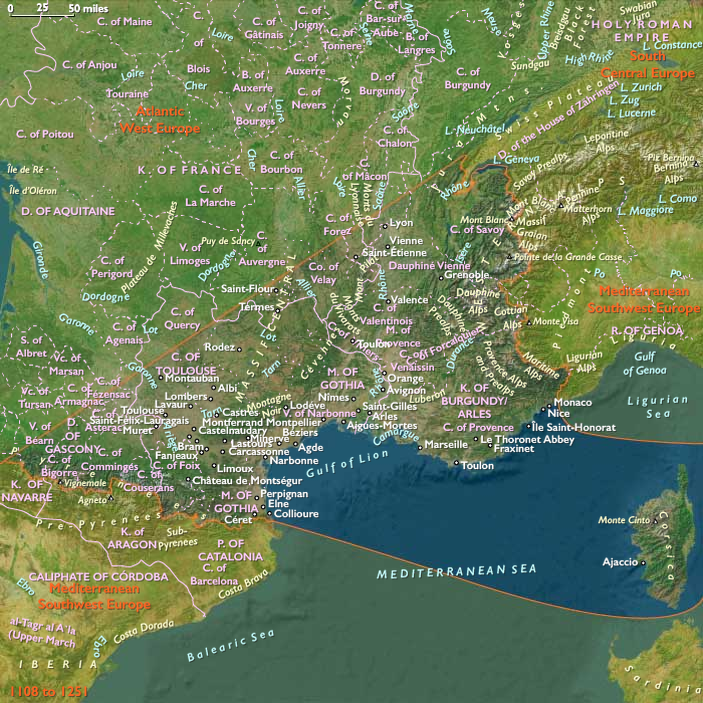
- By 1139, Henry had resumed his preaching, particularly in southern France, where he gained a large following.
- His movement merged with the teachings of Peter of Bruys, whose followers rejected Church doctrine and sacraments.
- Peter of Cluny wrote a treatise (Epistola seu tractatus adversus Petrobrusianos) attacking the teachings of Henry and Peter of Bruys, accusing them of:
- Rejecting Church authority and discipline.
- Accepting only the Gospel, freely interpreted.
- Condemning infant baptism, the Eucharist, the Mass, prayers for the dead, and saintly intercession.
- Denying liturgical worship altogether.
St. Bernard of Clairvaux described Henry’s influence as devastating, writing:
"The churches are without flocks, the flocks without priests, the priests without honor; in a word, nothing remains save Christians without Christ." (Epistola 241)
Bernard of Clairvaux’s Mission Against Henry’s Followers (1145 CE)
- In 1145, at the request of Papal Legate Alberic, Cardinal Bishop of Ostia, Bernard traveled through the affected regions, including:
- Angoulême and Limoges,
- Bordeaux,
- Bergerac, Périgueux, Sarlat, Cahors, and Toulouse, all centers of heretical activity.
- Bernard’s mission aimed to debate, discredit, and convert Henry’s followers, reinforcing the authority of the Church.
Locations
People
Groups
- Toulouse, County of
- Maine, County of
- Anjou, County of
- France, (Capetian) Kingdom of
- Arles, Kingdom of
- Christians, Roman Catholic
Subjects
Regions
Subregions
Years: 1145 - 1145
Locations
People
Groups
- Toulouse, County of
- Maine, County of
- Anjou, County of
- France, (Capetian) Kingdom of
- Arles, Kingdom of
- Christians, Roman Catholic
Subjects
Regions
Subregions