
Warwick’s Appointment to the Captaincy of Calais …
Years: 1456 - 1456
July
Warwick’s Appointment to the Captaincy of Calais (1456)
Richard Neville, Earl of Warwick, reached a pivotal moment in his political and military career with his appointment as Captain of Calais in 1456. This strategic posting provided Warwick not only with considerable military resources but also control of England’s primary gateway to Continental Europe, serving as a critical power base during the tumultuous years ahead.
Political and Military Context
Calais was far more than a mere administrative position—it represented a linchpin in English diplomacy and warfare. Its fortress and surrounding lands offered a powerful stronghold from which military campaigns into France could be launched, or threats from the continent repelled. Warwick’s control of Calais granted him authority over a key strategic stronghold, enabling him to influence English politics significantly at a time when internal tensions—particularly between the factions loyal to the houses of Lancaster and York—were escalating toward civil war.
Economic and Military Significance
Beyond its military significance, Calais was economically vital as a thriving trade center and a critical source of revenue through customs duties and trade levies. As Captain, Warwick could leverage this wealth to fund his military operations, sustain his armies, and further solidify his political position at home. Additionally, the Calais garrison, largely loyal to Warwick personally, provided him a dependable military force that would prove instrumental in future conflicts.
Political and Cultural Impact
Warwick’s command of Calais strengthened his reputation as one of England's most powerful magnates, known as "the Kingmaker," and gave him leverage to negotiate directly with continental powers, enhancing his diplomatic influence. Calais under Warwick's leadership became a center of political intrigue and diplomatic exchange, significantly influencing the ongoing power struggles within England itself.
This appointment laid the foundations for Warwick's later role in the Wars of the Roses, dramatically affecting England's political landscape and marking a turning point in his career and the broader trajectory of Atlantic West European history.
Locations
People
- Henry VI of England
- James II of Scotland
- Margaret of Anjou
- Richard Neville
- Richard Neville, 16th Earl of Warwick
- Richard of York
Groups
Topics
Commodoties
Subjects
Regions
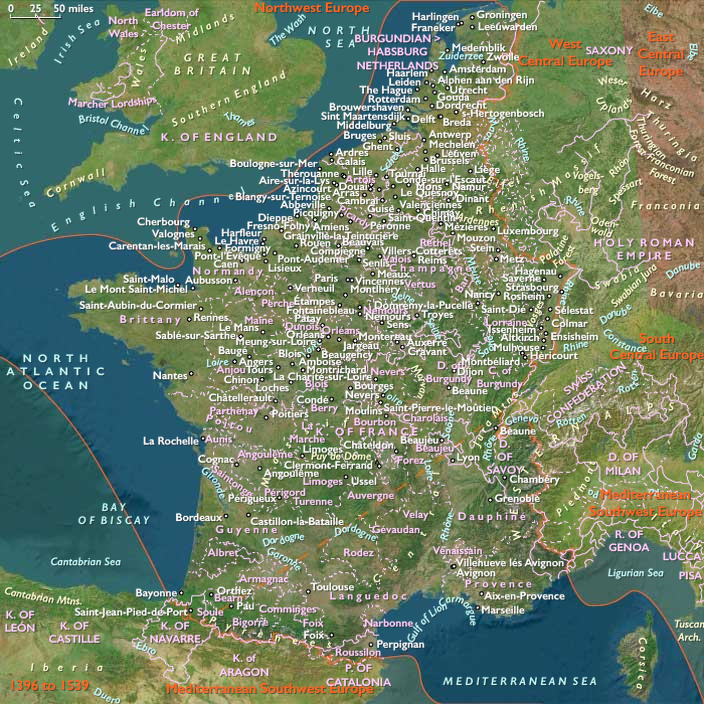
Subregions
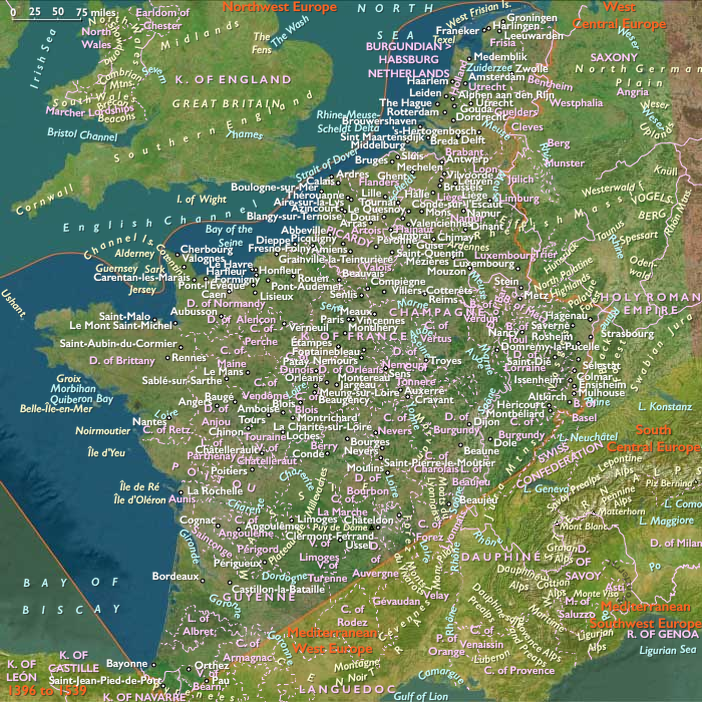
Related Events
Showing 10 events out of 41409 total
Years: 1456 - 1456
July
Locations
People
- Henry VI of England
- James II of Scotland
- Margaret of Anjou
- Richard Neville
- Richard Neville, 16th Earl of Warwick
- Richard of York
Groups
Topics
Commodoties
Subjects
Regions
Subregions