
Thessalonike, half-sister to Alexander the Great, was …
Years: 315BCE - 315BCE
Thessalonike, half-sister to Alexander the Great, was born around 352 or 345 BCE.
King Philip II, to commemorate the birth of his daughter, which fell on the same day as the armies of Macedon and Thessalian league won the significant battle of Crocus Field in Thessaly over the Phocians, is said to have proclaimed, "Let her be called victory in Thessaly".
In the Greek language her name is made up of two words Thessaly and nike, which translate into 'Thessalian Victory'.
Her mother did not live long after her birth and upon her death Thessalonike appears to have been brought up by her stepmother Olympias.
In memory of her close friend, Nicesipolis, the queen had taken Thessalonike to be raised as her own daughter.
Thessalonike was, by far, the youngest child in the care of Olympias.
Her interaction with her older brother Alexander would have been minimal, as he was under the tutelage of Aristotle in "The Gardens Of Midas" when she was born, and at the age of six or seven when he left on his Persian expedition.
She was only nineteen when Alexander, king of the then most known world, died.
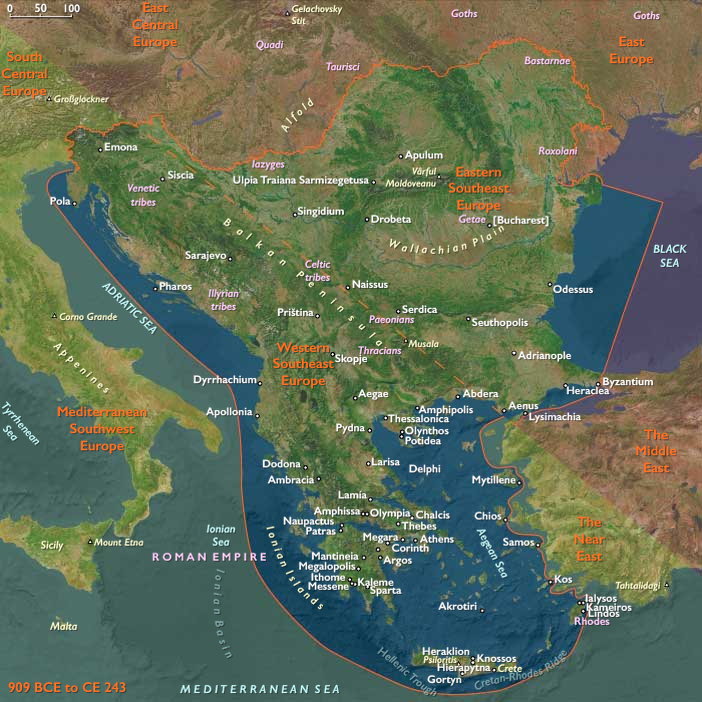
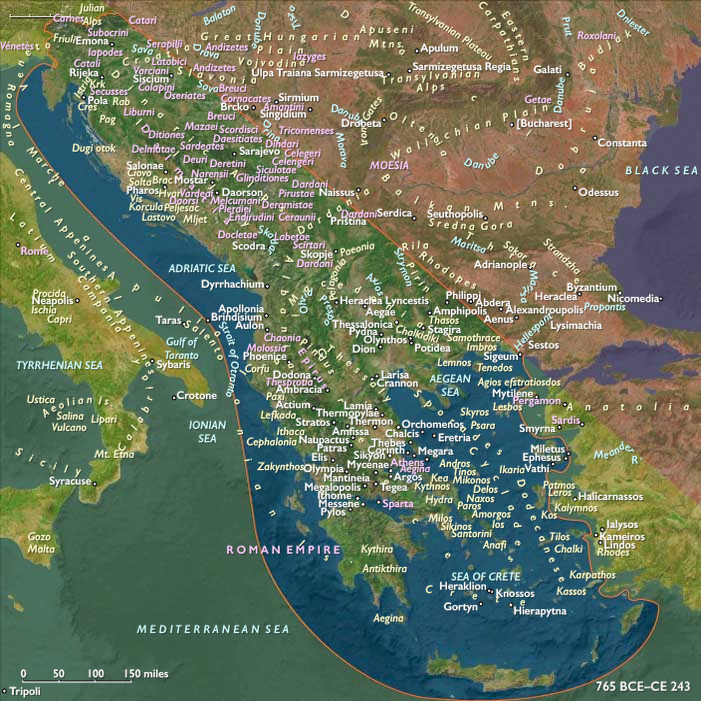
Thessalonike had spent her childhood in the queen’s quarters, to whose fortunes she attached herself in 317 BCE when the latter returned to Macedon, and with whom she took refuge in 315 BCE, along with the rest of the royal family, in the fortress of Pydna, on the advance of Cassander.
The fall of Pydna and the execution of her stepmother threw her into the power of Cassander, who embraced the opportunity to connect himself with the Argead dynasty by marrying her; and he appears to have studiously treated her with the respect due to her illustrious birth.
This may have been as much owing to policy as to affection but the marriage appears to have been a prosperous one.
Thessalonike, as queen of Macedon, will become the mother of three sons, Philip, Antipater, and Alexander; and her husband pays her the honor of conferring her name upon the port city of Thessaloniki, which he founds on the site of the ancient Therma and twenty-six other local villages,.
The city, as it continues down to the present day, will soon becomes one of the most wealthy and populous cities of Macedonia, located at the head of the Gulf of Salonika in northern Greece, about one hundred and ninety miles (three hundred kilometers) northwest of Athens.
Locations
People
Groups
Topics
Commodoties
Subjects
Regions
Subregions
Years: 315BCE - 315BCE
Locations
People
Groups
Topics
Commodoties
Subjects
Regions
Subregions