
Theodosius has resided mainly in Constantinople from …
Years: 387 - 387
Theodosius has resided mainly in Constantinople from the end of 380 to 387, during which time he has taken most of his measures to improve the capital.
The plan for the Forum Tauri, designed after the model of Trajan's Forum in Rome, is outstanding: it is the largest public square known in antiquity.
It is unclear, however, to what extent the Emperor has encouraged the flowering of art and literature in his time.
In international affairs, long-standing negotiations with the Persians over the division of power in Armenia have resulted in a treaty that is to become the basis for a long period of peace on Rome’s eastern border.
Locations
People
Groups
- Armenia, Kingdom of
- Persian Empire, Sassanid, or Sasanid
- Thrace, Diocese of
- East, or Oriens, Praetorian prefecture of
- Roman Empire: Valentinian dynasty (Rome)
- Roman Empire: Theodosian dynasty (Constantinople)
Topics
- Portraits, Classical
- Roman art
- Roman Age Optimum
- Late Antiquity
- Migration Period
- Fall of the Western Roman Empire
- Roman Civil War of 387-88
Commodoties
Subjects
- Commerce
- Engineering
- Sculpture
- Environment
- Labor and Service
- Conflict
- Faith
- Government
- Technology
- Movements
Regions
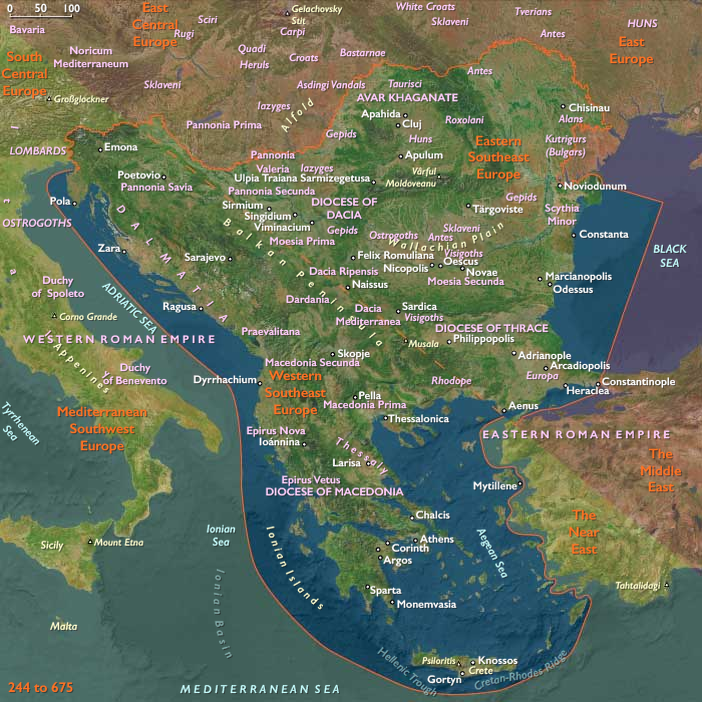
Subregions
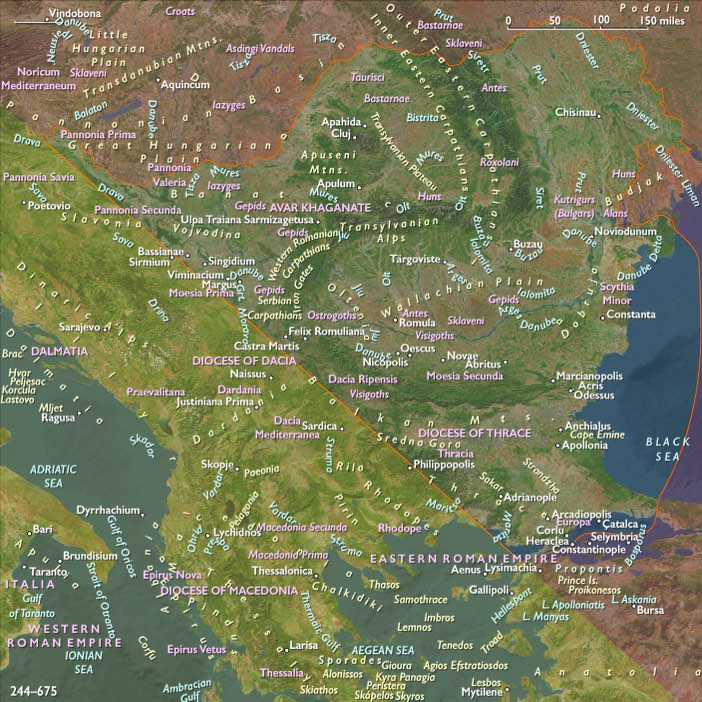
Related Events
Showing 10 events out of 59526 total
Years: 387 - 387
Locations
People
Groups
- Armenia, Kingdom of
- Persian Empire, Sassanid, or Sasanid
- Thrace, Diocese of
- East, or Oriens, Praetorian prefecture of
- Roman Empire: Valentinian dynasty (Rome)
- Roman Empire: Theodosian dynasty (Constantinople)
Topics
- Portraits, Classical
- Roman art
- Roman Age Optimum
- Late Antiquity
- Migration Period
- Fall of the Western Roman Empire
- Roman Civil War of 387-88
Commodoties
Subjects
- Commerce
- Engineering
- Sculpture
- Environment
- Labor and Service
- Conflict
- Faith
- Government
- Technology
- Movements
Regions
Subregions