
Æthelstan had become the first king of …
Years: 934 - 934
May
Æthelstan had become the first king of all the Anglo-Saxon peoples, and in effect over-king of Britain.
His successes inaugurated what John Maddicott called the imperial phase of English kingship between about 925 and 975, when rulers from Wales and Scotland attended the assemblies of English kings and witnessed their charters.
Æthelstan has tried to reconcile the aristocracy in his new territory of Northumbria to his rule.
He has lavished gifts on the minsters of Beverley, Chester-le-Street, and York, emphasizing his Christianity.
He has also purchased the vast territory of Amounderness in Lancashire, and has given it to the Archbishop of York, his most important lieutenant in the region.
Despite these efforts, he remains a resented outsider, and the northern British kingdoms prefer to ally with the pagan Norse of Dublin.
In contrast to his strong control over southern Britain, his position in the north is far more tenuous.
Æthelstan invades Scotland in 934.
His reasons are unclear, and historians give alternative explanations.
The death of his half-brother Edwin in 933 may have finally removed factions in Wessex opposed to his rule.
Guthfrith, the Norse king of Dublin who had briefly ruled Northumbria, dies in 934; any resulting insecurity among the Danes may have given Æthelstan an opportunity to stamp his authority on the north.
An entry in the Annals of Clonmacnoise, recording the death in 934 of a ruler who may have been Ealdred of Bamburh, suggests another possible explanation.
This may have led to a dispute between Æthelstan and Constantine over control of his territory.
The Anglo-Saxon Chronicle briefly records the expedition without explanation, but the twelfth century chronicler John of Worcester states that Constantine had broken his treaty with Æthelstan.
Æthelstan sets out on his campaign in May 934, accompanied by four Welsh princes: Hywel Dda of Deheubarth, Idwal Foel of Gwynedd, Morgan ap Owain of Gwent, and Tewdwr ap Griffri of Brycheiniog.
His retinue also includes eighteen bishops and thirteen earls, six of whom are Danes from eastern England.
Locations
People
Groups
- Brycheiniog, Welsh Kingdom of
- Anglo-Saxons
- Gwent, Welsh Kingdom of
- Gwynedd, Welsh Kingdom of
- Christianity, Chalcedonian
- Vikings
- Dublin, Kingdom of
- Alba (Scotland), Scots Kingdom of
- Strathclyde, British Kingdom of
- Deheubarth, Welsh Kingdom of
- York, Scandinavian (Norse)
- England, (Anglo-Saxon) Kingdom of
Topics
Commodoties
Subjects
Regions
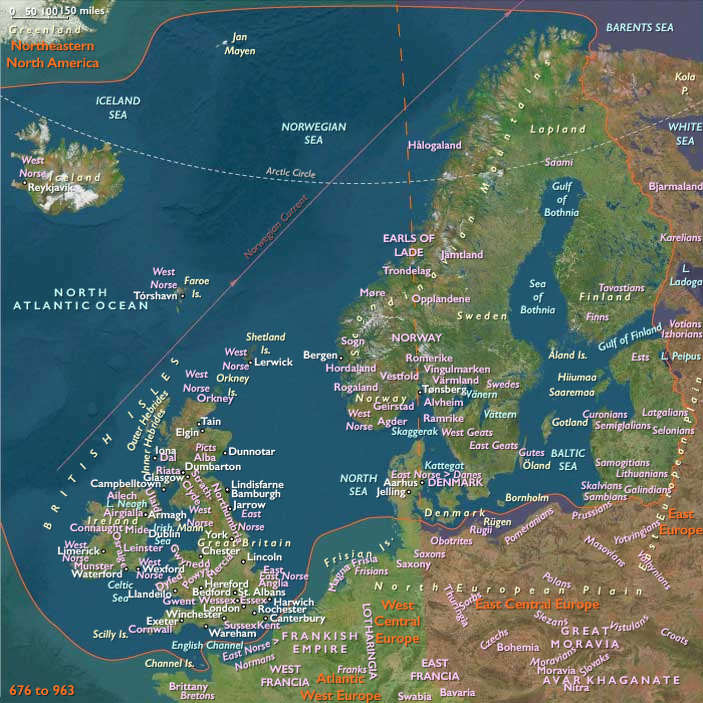
Subregions
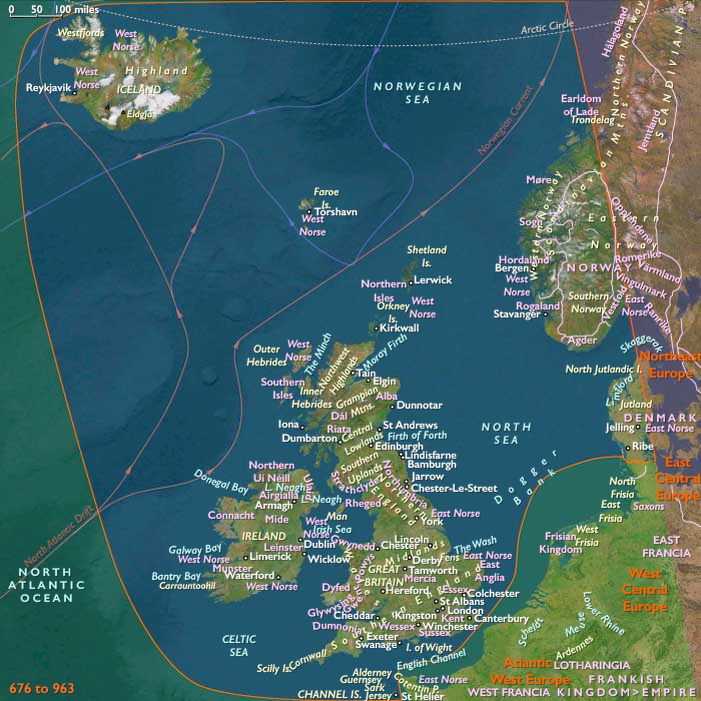
Years: 934 - 934
May
Locations
People
Groups
- Brycheiniog, Welsh Kingdom of
- Anglo-Saxons
- Gwent, Welsh Kingdom of
- Gwynedd, Welsh Kingdom of
- Christianity, Chalcedonian
- Vikings
- Dublin, Kingdom of
- Alba (Scotland), Scots Kingdom of
- Strathclyde, British Kingdom of
- Deheubarth, Welsh Kingdom of
- York, Scandinavian (Norse)
- England, (Anglo-Saxon) Kingdom of
Topics
Commodoties
Subjects
Regions
Subregions