Æthelred’s new fleet is ready by 1009, …
Years: 1009 - 1009
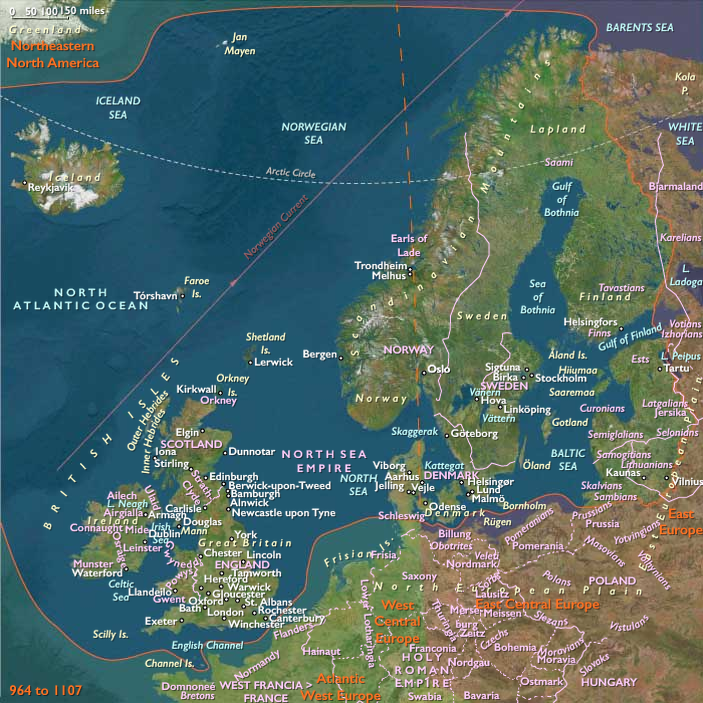
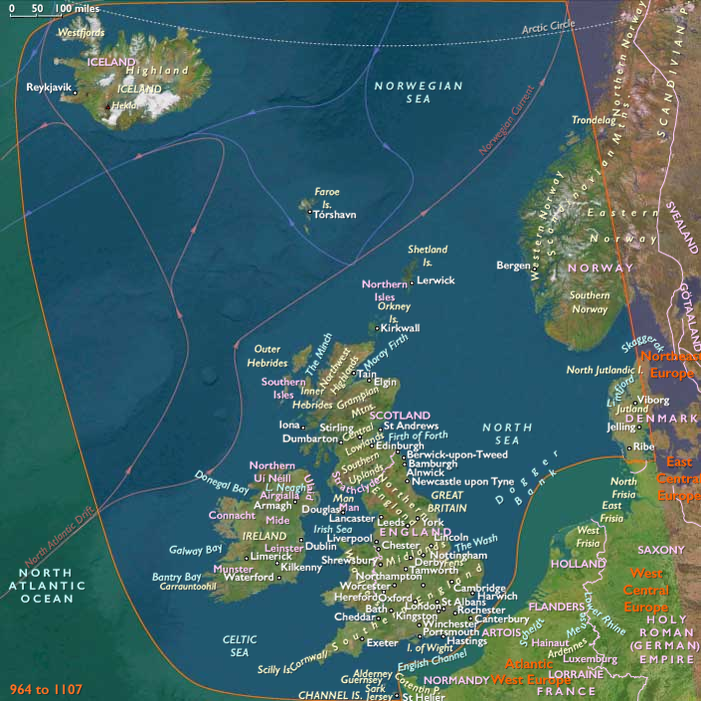
Æthelred’s new fleet is ready by 1009, and is sent to Sandwich to defend the land against attacking forces.
Locations
People
Groups
Topics
Commodoties
Subjects
Regions
Subregions
Related Events
Filter results
Showing 10 events out of 10 total
The Prussian blockade of Swedish Pomerania had been lifted by an invading Russian army on June 18, 1758, but von Rosen had grown tired of his thankless task and handed command over to Gustav David Hamilton.
Augustin Ehrensvard had captured Peenemünde hill on July 27, and Hamilton had sent sixteen thousand men to support the Russians, who were besieging Küstrin.
However, after their defeat at Zorndorf he decided instead to march to Saxony to join up with the Austrians, but got no further than Neuruppin in Brandenburg.
A detachment he sent from there had suffered a heavy defeat on September 26 at the Battle of Tornow, but Major Carl Constantin De Carnall is able to reach Fehrbellin with eight hundred men to defend it from about five thousand Prussians at a battle fought here on September 28.
The Prussian forces under General Carl Heinrich von Wedel are attempting to stop the Swedish offensive into Brandenburg.
The Swedish forces hold the town, with one gun at each of the three gates.
The Prussians arrive first and manage to break through at the western (Mühlenthor) gate, driving the outnumbered Swedes in disarray through the streets.
However, reinforcements arrive, and the Prussians, who have failed to burn the bridge, are forced to retreat.
The Swedes lose twenty-three officers and three hundred and twenty-two privates in the battle.
Prussian casualties are significant; the Prussians reportedly take with them fifteen wagons loaded with dead and wounded soldiers when they retreat.
View Event
Augustin Ehrensvard had captured Peenemünde hill on July 27, and Hamilton had sent sixteen thousand men to support the Russians, who were besieging Küstrin.
However, after their defeat at Zorndorf he decided instead to march to Saxony to join up with the Austrians, but got no further than Neuruppin in Brandenburg.
A detachment he sent from there had suffered a heavy defeat on September 26 at the Battle of Tornow, but Major Carl Constantin De Carnall is able to reach Fehrbellin with eight hundred men to defend it from about five thousand Prussians at a battle fought here on September 28.
The Prussian forces under General Carl Heinrich von Wedel are attempting to stop the Swedish offensive into Brandenburg.
The Swedish forces hold the town, with one gun at each of the three gates.
The Prussians arrive first and manage to break through at the western (Mühlenthor) gate, driving the outnumbered Swedes in disarray through the streets.
However, reinforcements arrive, and the Prussians, who have failed to burn the bridge, are forced to retreat.
The Swedes lose twenty-three officers and three hundred and twenty-two privates in the battle.
Prussian casualties are significant; the Prussians reportedly take with them fifteen wagons loaded with dead and wounded soldiers when they retreat.
The year 1759 sees several Prussian defeats.
At the Battle of Kay, or Paltzig, the Russian Count Saltykov with forty-seven thousand Russians defeats twenty-six thousand Prussians commanded by General Carl Heinrich von Wedel.
Though the Hanoverians defeat an army of sixty thousand French at Minden, Austrian general Daun forces the surrender of an entire Prussian corps of thirteen thousand in the Battle of Maxen.
Frederick himself loses half his army in the Battle of Kunersdorf (now Kunowice, Poland), the worst defeat in his military career and one that drives him to the brink of abdication and thoughts of suicide.
The disaster results partly from his misjudgment of the Russians, who had already demonstrated their strength at Zorndorf and at Gross-Jägersdorf (now Motornoye, Russia), and partly from good cooperation between the Russian and Austrian forces.
View Event
At the Battle of Kay, or Paltzig, the Russian Count Saltykov with forty-seven thousand Russians defeats twenty-six thousand Prussians commanded by General Carl Heinrich von Wedel.
Though the Hanoverians defeat an army of sixty thousand French at Minden, Austrian general Daun forces the surrender of an entire Prussian corps of thirteen thousand in the Battle of Maxen.
Frederick himself loses half his army in the Battle of Kunersdorf (now Kunowice, Poland), the worst defeat in his military career and one that drives him to the brink of abdication and thoughts of suicide.
The disaster results partly from his misjudgment of the Russians, who had already demonstrated their strength at Zorndorf and at Gross-Jägersdorf (now Motornoye, Russia), and partly from good cooperation between the Russian and Austrian forces.
The Prussian army marches in two columns toward Kay, one on the road directly to Kay, and the other on the road to Mosau.
Barely have they emerged from the ravines surrounding the town when they fall into combat with some Russian skirmishers.
The Prussians repulse the initial group, but the arrival of reinforcement means the onset of generalized action.
The Russians subsequently fire on the Prussians from the heights surrounding Kay.
General Heinrich von Manteuffel takes six battalions and attacks on the artillery; initially they throw him back.
A contemporary participant maintains that Manteuffel succeeded in over-running the positions and took forty pieces of cannon, but there is no official evidence to support his statement.
There are three assaults at Kay in that afternoon, and each is thrown back.
General Manteuffel had been injured in the attack on the position.
Wedel orders a full cavalry assault through the woods and against the Russian right flank.
When the superior Russian force counters, Prussian momentum falters with the lack of a second column of timely reinforcement.
Repeated assaults on the Russians entrenched in the heights result in massive losses for the Prussians.
In the last of these assaults, Moritz Franz Kasimir von Wobersnow leads eight battalions and six squadrons from Züllichau against the Russian right wing.
At the same time his cavalry penetrates the enemy's infantry line, but the Russian cavalry, supported by gunfire, drives them and the infantry back into the low ground.
In the second assault, Manteufel is injured and in the final one, General Wobersnow is killed.
Wedel loses up to eighty three hundred of his troops, although Frederick sees fit to announce losses of only eight hundred, and placed Russian losses at over seven thousand.
Frederick also blames the troops, calling them cowardly "scoundrels" despite their repeated and suicidal assaults.
He eventually estimates Prussian losses at fourteen hundred and the Russian losses at fourteen thousand but he is fooling himself.
View Event
Barely have they emerged from the ravines surrounding the town when they fall into combat with some Russian skirmishers.
The Prussians repulse the initial group, but the arrival of reinforcement means the onset of generalized action.
The Russians subsequently fire on the Prussians from the heights surrounding Kay.
General Heinrich von Manteuffel takes six battalions and attacks on the artillery; initially they throw him back.
A contemporary participant maintains that Manteuffel succeeded in over-running the positions and took forty pieces of cannon, but there is no official evidence to support his statement.
There are three assaults at Kay in that afternoon, and each is thrown back.
General Manteuffel had been injured in the attack on the position.
Wedel orders a full cavalry assault through the woods and against the Russian right flank.
When the superior Russian force counters, Prussian momentum falters with the lack of a second column of timely reinforcement.
Repeated assaults on the Russians entrenched in the heights result in massive losses for the Prussians.
In the last of these assaults, Moritz Franz Kasimir von Wobersnow leads eight battalions and six squadrons from Züllichau against the Russian right wing.
At the same time his cavalry penetrates the enemy's infantry line, but the Russian cavalry, supported by gunfire, drives them and the infantry back into the low ground.
In the second assault, Manteufel is injured and in the final one, General Wobersnow is killed.
Wedel loses up to eighty three hundred of his troops, although Frederick sees fit to announce losses of only eight hundred, and placed Russian losses at over seven thousand.
Frederick also blames the troops, calling them cowardly "scoundrels" despite their repeated and suicidal assaults.
He eventually estimates Prussian losses at fourteen hundred and the Russian losses at fourteen thousand but he is fooling himself.
The loss at Kay lays open the road to the Oder river and by July 28, Saltykov's troops have reached Crossen.
He does not enter Prussia at this point, though, largely due to his problematic relationship with the Austrians.
Neither Saltykov or Daun trust one another; Saltykov neither speaks German nor trusts the translator.
Daun does not want to risk losing his entire force.
Although Frederick had departed from Saxony in early July, and his brother had marched north at that time too, Daun fears that either of these armies will double back.
This not only would prevent him from uniting with Saltykov's army, it could expose his army to Frederick's overpowering force.
Instead, Daun sends his auxiliary corps, commanded by Laudon to join with Saltykov.
Upon hearing this news, Saltykov considers Daun to be hesitant and dilatory.
Eventually, Hadik and Laudon join at Priebus (Przewóz), forty kilometers (twenty-five miles) north of Görlitz, on 29 July.
In the meantime, Daun has sent additional reinforcements to Loudon, some of the best regiments of the Austrian army; by the time Loudon will reach the Oder, Daun calculates that his force will be at least twenty thousand, certainly sufficient to shore up Saltykov's already sizable force.
View Event
He does not enter Prussia at this point, though, largely due to his problematic relationship with the Austrians.
Neither Saltykov or Daun trust one another; Saltykov neither speaks German nor trusts the translator.
Daun does not want to risk losing his entire force.
Although Frederick had departed from Saxony in early July, and his brother had marched north at that time too, Daun fears that either of these armies will double back.
This not only would prevent him from uniting with Saltykov's army, it could expose his army to Frederick's overpowering force.
Instead, Daun sends his auxiliary corps, commanded by Laudon to join with Saltykov.
Upon hearing this news, Saltykov considers Daun to be hesitant and dilatory.
Eventually, Hadik and Laudon join at Priebus (Przewóz), forty kilometers (twenty-five miles) north of Görlitz, on 29 July.
In the meantime, Daun has sent additional reinforcements to Loudon, some of the best regiments of the Austrian army; by the time Loudon will reach the Oder, Daun calculates that his force will be at least twenty thousand, certainly sufficient to shore up Saltykov's already sizable force.
The Russians occupy Frankfurt on the Oder on August 3, while the main army camps outside the city on the east bank and begins constructing field fortifications, in preparation for Frederick's eventual arrival.
By the following week, Daun's reinforcements join forces with Saltykov at Kunersdorf.
View Event
By the following week, Daun's reinforcements join forces with Saltykov at Kunersdorf.
King Frederick rushes from Saxony, takes over the remnants of Wedel's contingent at Müllrose and moves toward the Oder River.
By August 9, he had forty-nine thousand to fifty thousand troops, enhanced by Finck's defeated corps, and Prince Henry of Prussia's corps moving from the Lausitz region.
Saltykov and the Austrian troops are stretched along the ridge that runs from the outskirts of Frankfurt to just north of the village of Kunersdorf.
Anticipating that Frederick will rely on his cavalry, the Russians effectively negate any successful cavalry charge by using fallen trees to break up the ground on the approaches.
Saltykov's scouts had informed him by August 10 him that Frederick was at the far western edge of Frankfurt.
Accordingly Saltykov takes everything he could from the city by way of sustenance, all oxen, sheep, chickens, produce, wine, beer, in a flurry of ransacking.
View Event
By August 9, he had forty-nine thousand to fifty thousand troops, enhanced by Finck's defeated corps, and Prince Henry of Prussia's corps moving from the Lausitz region.
Saltykov and the Austrian troops are stretched along the ridge that runs from the outskirts of Frankfurt to just north of the village of Kunersdorf.
Anticipating that Frederick will rely on his cavalry, the Russians effectively negate any successful cavalry charge by using fallen trees to break up the ground on the approaches.
Saltykov's scouts had informed him by August 10 him that Frederick was at the far western edge of Frankfurt.
Accordingly Saltykov takes everything he could from the city by way of sustenance, all oxen, sheep, chickens, produce, wine, beer, in a flurry of ransacking.
Saltykov plunders the city and prepares for Frederick's assault from the west, while the Prussians reach Reitwein, some twenty-eight kilometers (seventeen miles) north of Frankfurt on August 10, and build pontoon bridges during the night.
Frederick crosses the Oder in the night and the next morning, and moves southward toward Kunersdorf; the Prussians establish a staging area near Göritz (also spelled Gohritz on the old maps), about nine and a half kilometers (six miles) north-northeast of Kunersdorf late on August 11 with about fifty thousand men; of these, two thousand are deemed unfit for service and stay behind to guard the baggage.
Frederick conducts a perfunctory reconnaissance of his enemy's position, accompanied by a forest ranger and an officer who had previously been stationed in Frankfurt.
He also consults a peasant who, though garrulous, is uninformed about military needs: the peasant tells the King that a natural obstacle between the Red Grange (a large farmstead between Kunersdorf and Frankfurt's outer city) and Kunersdorf is impassable; what the peasant does not know is that the Russians have been there long enough to construct a causeway linking these two sections.
Looking to the east through his telescope, Frederick sees some wooded hills, called the Reppen Forest, and he believes he can use them to screen an advance, much like he had done at Leuthen.
He does not send scouts to reconnoiter the land or question locals about the ground in the forest.
Furthermore, through his glass he can see that the Russians are facing west and north, and their fortifications are stronger on the west.
He decides that all the Allies are facing northwest and that the forest is readily passable.
After his perfunctory reconnaissance, Frederick returns to his camp to develop his battle plan.
He plans to direct a diversionary force, commanded by Finck, to the Hühner Fliess, to demonstrate in front of what he believes to be the main Russian line.
He will march with his main army to the southeast of the Allied position, circling around Kunersdorf, screened by the Reppen Forest.
This way, he thinks, he will surprise his enemy, forcing the Allied army to reverse fronts, which is a complicated maneuver for even the best trained troops.
Frederick can then employ his much feared oblique battle order, feinting with his left flank as he does so.
Ideally, this will allow him to roll up the Allied line from the Mühlberg.
View Event
Frederick crosses the Oder in the night and the next morning, and moves southward toward Kunersdorf; the Prussians establish a staging area near Göritz (also spelled Gohritz on the old maps), about nine and a half kilometers (six miles) north-northeast of Kunersdorf late on August 11 with about fifty thousand men; of these, two thousand are deemed unfit for service and stay behind to guard the baggage.
Frederick conducts a perfunctory reconnaissance of his enemy's position, accompanied by a forest ranger and an officer who had previously been stationed in Frankfurt.
He also consults a peasant who, though garrulous, is uninformed about military needs: the peasant tells the King that a natural obstacle between the Red Grange (a large farmstead between Kunersdorf and Frankfurt's outer city) and Kunersdorf is impassable; what the peasant does not know is that the Russians have been there long enough to construct a causeway linking these two sections.
Looking to the east through his telescope, Frederick sees some wooded hills, called the Reppen Forest, and he believes he can use them to screen an advance, much like he had done at Leuthen.
He does not send scouts to reconnoiter the land or question locals about the ground in the forest.
Furthermore, through his glass he can see that the Russians are facing west and north, and their fortifications are stronger on the west.
He decides that all the Allies are facing northwest and that the forest is readily passable.
After his perfunctory reconnaissance, Frederick returns to his camp to develop his battle plan.
He plans to direct a diversionary force, commanded by Finck, to the Hühner Fliess, to demonstrate in front of what he believes to be the main Russian line.
He will march with his main army to the southeast of the Allied position, circling around Kunersdorf, screened by the Reppen Forest.
This way, he thinks, he will surprise his enemy, forcing the Allied army to reverse fronts, which is a complicated maneuver for even the best trained troops.
Frederick can then employ his much feared oblique battle order, feinting with his left flank as he does so.
Ideally, this will allow him to roll up the Allied line from the Mühlberg.
Both armies had been reinforced by smaller units before the battle; by the time of the battle, the Allied forces have about sixty thousand men, with another five thousand holding Frankfurt, and the Prussians have almost fifty thousand.
By 5:00 pm, neither side can make any gains; the Prussians hold tenaciously to the captured artillery works, too tired to even retreat: they have pushed the Russians from the Mühlberge, the village, and the Kuhgrund, but no further.
The Allies are in a similar state, except they have more cavalry in reserve and some fresh Austrian infantry.
This part of Laudon's forces, late arrivals to the scene and largely unused, come into action at about 7:00 pm.
To the exhausted Prussians holding the Kuhgrund, the swarm of fresh Austrian reserves is the final stroke.
Although such isolated groups as Hans Sigismund von Lestwitz's regiment put up a bold front, these groups lose heavily and their stubborn defense cannot stop the chaos of the Prussian retreat.
Soldiers throw their weapons and gear aside and run for their lives.
The battle is lost for Frederick—it had actually been lost for the Prussians for a couple of hours—but he had not accepted this fact.
Frederick rides among his melting army, snatches a regimental flag, trying to rally his men: Children, my children, come to me. Avec moi, Avec moi!
They do not hear him, or if they do, they chose not to obey.
Saltykov, watching the chaos and seeking the coup de grâce, throws his own Cossacks and Kalmyks (cavalry) into the fray.
The Chuggavieski Cossacks surround Frederick on a small hill, where he stands with the remnants of his body-guard—the Leib Cuirassiers—determined to either hold the line or to die trying.
With a hundred-strong hussar squadron, Rittmeister (cavalry captain) Joachim Bernhard von Prittwitz-Graffron cuts his way through the Cossacks and drags the King to safety.
Much of his squadron dies in the effort.
As the hussars escorts Frederick from the battlefield, he passes the bodies of his men, lying on their faces with their backs slashed open by Laudon's cavalry.
A dry thunderstorm creates a surreal effect.
That evening back in Reitwein, Frederick sits in a peasant hut and writes a despairing letter to his old tutor, Count Karl-Wilhelm Finck von Finckenstein:
This morning at 11 o'clock I have attacked the enemy. ... All my troops have worked wonders, but at a cost of innumerable losses. Our men got into confusion. I assembled them three times. In the end I was in danger of getting captured and had to retreat. My coat is perforated by bullets, two horses of mine have been shot dead. My misfortune is that I am still living ... Our defeat is very considerable: To me remains 3,000 men from an army of 48,000 men. At the moment in which I report all this, everyone is on the run; I am no more master of my troops. Thinking of the safety of anybody in Berlin is a good activity ... It is a cruel failure that I will not survive. The consequences of the battle will be worse than the battle itself. I do not have any more resources, and—frankly confessed—I believe that everything is lost. I will not survive the doom of my fatherland. Farewell forever!
Frederick also decides to turn over command of the army to Finck.
He tells this unlucky general he is sick.
He names his brother as generalissimo and insists his generals swear allegiance to his nephew, the fourteen-year-old Frederick William.
View Event

By 5:00 pm, neither side can make any gains; the Prussians hold tenaciously to the captured artillery works, too tired to even retreat: they have pushed the Russians from the Mühlberge, the village, and the Kuhgrund, but no further.
The Allies are in a similar state, except they have more cavalry in reserve and some fresh Austrian infantry.
This part of Laudon's forces, late arrivals to the scene and largely unused, come into action at about 7:00 pm.
To the exhausted Prussians holding the Kuhgrund, the swarm of fresh Austrian reserves is the final stroke.
Although such isolated groups as Hans Sigismund von Lestwitz's regiment put up a bold front, these groups lose heavily and their stubborn defense cannot stop the chaos of the Prussian retreat.
Soldiers throw their weapons and gear aside and run for their lives.
The battle is lost for Frederick—it had actually been lost for the Prussians for a couple of hours—but he had not accepted this fact.
Frederick rides among his melting army, snatches a regimental flag, trying to rally his men: Children, my children, come to me. Avec moi, Avec moi!
They do not hear him, or if they do, they chose not to obey.
Saltykov, watching the chaos and seeking the coup de grâce, throws his own Cossacks and Kalmyks (cavalry) into the fray.
The Chuggavieski Cossacks surround Frederick on a small hill, where he stands with the remnants of his body-guard—the Leib Cuirassiers—determined to either hold the line or to die trying.
With a hundred-strong hussar squadron, Rittmeister (cavalry captain) Joachim Bernhard von Prittwitz-Graffron cuts his way through the Cossacks and drags the King to safety.
Much of his squadron dies in the effort.
As the hussars escorts Frederick from the battlefield, he passes the bodies of his men, lying on their faces with their backs slashed open by Laudon's cavalry.
A dry thunderstorm creates a surreal effect.
That evening back in Reitwein, Frederick sits in a peasant hut and writes a despairing letter to his old tutor, Count Karl-Wilhelm Finck von Finckenstein:
This morning at 11 o'clock I have attacked the enemy. ... All my troops have worked wonders, but at a cost of innumerable losses. Our men got into confusion. I assembled them three times. In the end I was in danger of getting captured and had to retreat. My coat is perforated by bullets, two horses of mine have been shot dead. My misfortune is that I am still living ... Our defeat is very considerable: To me remains 3,000 men from an army of 48,000 men. At the moment in which I report all this, everyone is on the run; I am no more master of my troops. Thinking of the safety of anybody in Berlin is a good activity ... It is a cruel failure that I will not survive. The consequences of the battle will be worse than the battle itself. I do not have any more resources, and—frankly confessed—I believe that everything is lost. I will not survive the doom of my fatherland. Farewell forever!
Frederick also decides to turn over command of the army to Finck.
He tells this unlucky general he is sick.
He names his brother as generalissimo and insists his generals swear allegiance to his nephew, the fourteen-year-old Frederick William.
The Russians and Austrians have lost about fifteen thousand men (approximately five thousand killed), although some sources suggest a slightly higher number, perhaps fifteen thousand six hundred or fifteen thousand seven hundred, about twenty-six percent.
Christopher Duffy places Russian losses at thirteen thousand four hundred and seventy-seven; in addition, the Russians had lost about four thousand at the Battle of Kay a week earlier.
Sources differ on Prussian losses.
Duffy maintains six thousand killed and thirteen thousand wounded, a casualty rate of more than thirty-seven percent.
Gaston Bodart represents losses at thirty-nine percent, and that two thirds (twelve thousand) of the nineteen thousand casualties were deaths.
Following the battle, the victorious Cossack troops plunder corpses and slit the throats of the wounded; this no doubt contributes to the death rate.
The Prussians have lost their entire horse artillery, an amalgam of cavalry and artillery in which the crews ride horses into battle, dragging their cannons behind them, one of Frederick's notable inventions.
The Prussians have also lost sixty percent of their cavalry, killed or wounded, animals and men.
The Prussians have lost one hundred and seventy-two of their own cannons plus the one hundred and five that they had captured from the Russians in the late morning on the Mühlberge.
They have also lost twenty-seven flags and two standards.
Staff losses are significant.
Frederick has lost eight regimental colonels.
Of his senior command, Seydlitz is wounded and had to relinquish command to Platen, nowhere near his equal in energy and nerve; Wedel is wounded so badly that he will never fight again; Georg Ludwig von Puttkamer, commander of the Puttkamer Hussars, lies among the dead.
Friedrich Wilhelm von Steuben, later the inspector general and major general of the Continental Army during the American Revolutionary War, had been wounded at the battle.
Ewald Christian von Kleist, the famous poet of the Prussian army, had been badly injured in the latter moments of the assault on the Walkeberge.
By the time he was injured, Major Kleist was the highest ranking officer in his regiment.
Generalleutnant August Friedrich von Itzenplitz will die of his wounds on September 5, Prince Charles Anton August von Holstein-Beck on September 12, and Finck's brigade commander, Generalmajor George Ernst von Klitzing, on October 28 in Stettin.
Prussia is at its last gasp and Frederick despairs of preserving much of his remaining kingdom for his heir.
View Event
Christopher Duffy places Russian losses at thirteen thousand four hundred and seventy-seven; in addition, the Russians had lost about four thousand at the Battle of Kay a week earlier.
Sources differ on Prussian losses.
Duffy maintains six thousand killed and thirteen thousand wounded, a casualty rate of more than thirty-seven percent.
Gaston Bodart represents losses at thirty-nine percent, and that two thirds (twelve thousand) of the nineteen thousand casualties were deaths.
Following the battle, the victorious Cossack troops plunder corpses and slit the throats of the wounded; this no doubt contributes to the death rate.
The Prussians have lost their entire horse artillery, an amalgam of cavalry and artillery in which the crews ride horses into battle, dragging their cannons behind them, one of Frederick's notable inventions.
The Prussians have also lost sixty percent of their cavalry, killed or wounded, animals and men.
The Prussians have lost one hundred and seventy-two of their own cannons plus the one hundred and five that they had captured from the Russians in the late morning on the Mühlberge.
They have also lost twenty-seven flags and two standards.
Staff losses are significant.
Frederick has lost eight regimental colonels.
Of his senior command, Seydlitz is wounded and had to relinquish command to Platen, nowhere near his equal in energy and nerve; Wedel is wounded so badly that he will never fight again; Georg Ludwig von Puttkamer, commander of the Puttkamer Hussars, lies among the dead.
Friedrich Wilhelm von Steuben, later the inspector general and major general of the Continental Army during the American Revolutionary War, had been wounded at the battle.
Ewald Christian von Kleist, the famous poet of the Prussian army, had been badly injured in the latter moments of the assault on the Walkeberge.
By the time he was injured, Major Kleist was the highest ranking officer in his regiment.
Generalleutnant August Friedrich von Itzenplitz will die of his wounds on September 5, Prince Charles Anton August von Holstein-Beck on September 12, and Finck's brigade commander, Generalmajor George Ernst von Klitzing, on October 28 in Stettin.
Prussia is at its last gasp and Frederick despairs of preserving much of his remaining kingdom for his heir.
The Russian and Austrian commanders, although still wary of one another, are satisfied with the result of their cooperation.
They had outfought Frederick's army in a test of nerve, courage and military skills.
Elizabeth of Russia promotes Saltykov to Generalfeldmarschall and awards a special medal to everyone involved.
She also sends a sword of honor to Laudon.
The price of this rout, though, is high: twenty-six percent Austrian and Russian losses would not usually qualify as a victory.
The storming of field works typically resulted in a disproportionate number of killed over wounded.
The conclusion of the battle in hand-to-hand struggle also increased casualties on both sides.
Finally, subsequent cavalry charges and the stampeding flight of men and horses had caused many more injuries.
Regardless of the losses, though, Saltykov and Laudon had remained on the field with intact armies, and with extant communications between one another.
The Prussian defeat remains without consequences when the victors do not capitalize on the opportunity to march against Berlin, but retire to Saxony instead
If Saltykov had sought the coup de grâce in the last hour of the battle, he did not follow through with it.
Within days, Frederick's army has reconstituted itself.
Approximately twenty-six thousand men—most of the survivors—had been scattered over the territory between Kunersdorf and Berlin.
Four days after the battle, though, most of the men turn up at the headquarters on the Oder River or in Berlin, and Frederick's army recovers to a strength of thirty-two thousand men and fifty artillery pieces
View Event
They had outfought Frederick's army in a test of nerve, courage and military skills.
Elizabeth of Russia promotes Saltykov to Generalfeldmarschall and awards a special medal to everyone involved.
She also sends a sword of honor to Laudon.
The price of this rout, though, is high: twenty-six percent Austrian and Russian losses would not usually qualify as a victory.
The storming of field works typically resulted in a disproportionate number of killed over wounded.
The conclusion of the battle in hand-to-hand struggle also increased casualties on both sides.
Finally, subsequent cavalry charges and the stampeding flight of men and horses had caused many more injuries.
Regardless of the losses, though, Saltykov and Laudon had remained on the field with intact armies, and with extant communications between one another.
The Prussian defeat remains without consequences when the victors do not capitalize on the opportunity to march against Berlin, but retire to Saxony instead
If Saltykov had sought the coup de grâce in the last hour of the battle, he did not follow through with it.
Within days, Frederick's army has reconstituted itself.
Approximately twenty-six thousand men—most of the survivors—had been scattered over the territory between Kunersdorf and Berlin.
Four days after the battle, though, most of the men turn up at the headquarters on the Oder River or in Berlin, and Frederick's army recovers to a strength of thirty-two thousand men and fifty artillery pieces