
Æthelfrith attacks the Kingdom of Powys later …
Years: 616 - 616
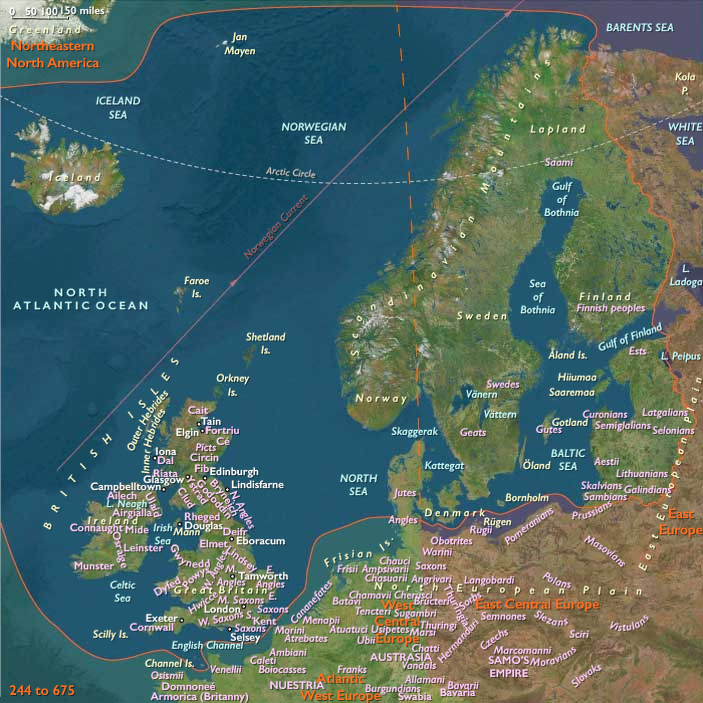
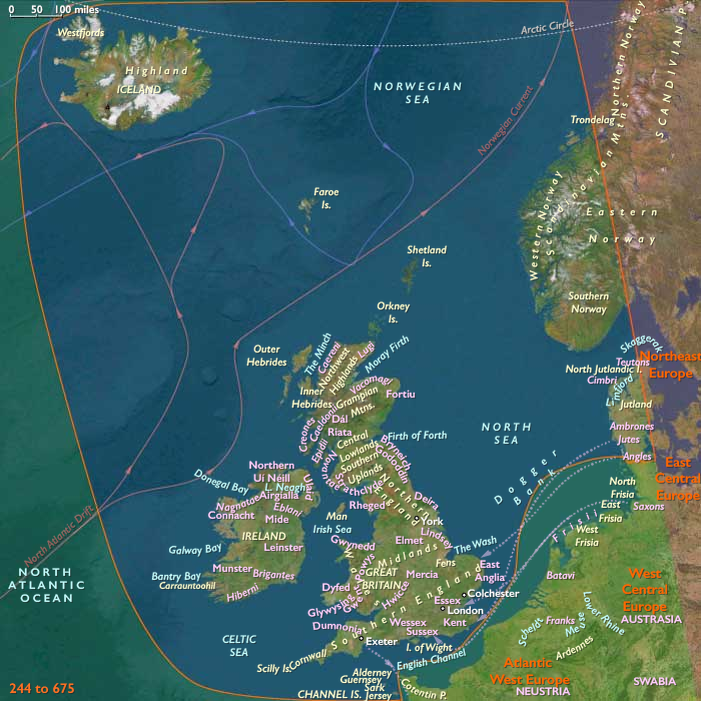
Æthelfrith attacks the Kingdom of Powys later in his reign, probably between 613 and 616, and defeats its army in a battle at Chester, in which the Powysian king Selyf Sarffgadau is killed, along with another king called Cetula, who is probably Cadwal Crysban of Rhôs.
He also massacres the monks of Bangor-Is-Coed who had assembled to aid the Britons by their prayers.
Bede says that he decided to attack them because, although they were not armed, they were opposing him through their prayers.
The number of dead monks is said to be about twelve hundred, with only fifty escaping.
It has been suggested that Æthelfrith may have done this for tactical reasons, to catch the Britons by surprise and force them to change their plans in order to protect the monks.
Æthelfrith after first killing the monks prevails over the enemy army, although Bede notes that Æthelfrith's own forces suffered considerable loss.
Æthelfrith's victory at Chester has been seen as having great strategic importance, as it may have resulted in the separation of the Britons between those in Wales and those to the north; however, Stenton noted that Bede was mainly concerned with the massacre of the monks and does not indicate that he regarded the battle as a historical "turning-point.”
Koch says that the older view that the battle cut the two British areas off from each other is now "generally understood" to be outdated, as Æthelfrith died soon after, and there is "almost no archaeological evidence for Anglo-Saxon settlement within the pagan period in Cheshire or Lancashire,” and in any case the sea would have been the primary means of communication.
Locations
People
Groups
- Britons (historical)
- Anglo-Saxons
- Bernicia, Kingdom of
- Christianity, Chalcedonian
- Powys, Welsh Kingdom of
- Deira, Kingdom of
- Britain, Medieval
Topics
Commodoties
Subjects
Regions
Subregions
Years: 616 - 616
Locations
People
Groups
- Britons (historical)
- Anglo-Saxons
- Bernicia, Kingdom of
- Christianity, Chalcedonian
- Powys, Welsh Kingdom of
- Deira, Kingdom of
- Britain, Medieval
Topics
Commodoties
Subjects
Regions
Subregions