
The younger Marcus Livius Drusus, tribune of …
Years: 91BCE - 91BCE
The younger Marcus Livius Drusus, tribune of the plebeians in 91 BCE, has comprehensive plans aimed at strengthen senatorial rule.
He removes the jury courts from the jurisdiction of the equestrians in retaliation for their unjustified condemnation of Publius Rutilius Rufus in 92 BCE and replaced it with a mixed jury of Senators and equestrians.
He passes a bill that would have doubled the number of Senators from roughly three hundred to six hundred, thus placating the most powerful of the equestrians who wished to become senators or have some of their family become senators.
To gain support from the plebeians, he sets up a commission to grant them more land, both around Rome and in new colonies (which is one of only two that is approved by the Senate during the late republic) and reduces the price of grain which he proposes to pay for by using devaluation of the currency.
Up to this point, Drusus has managed to have the support of many of the leading senators, including Marcus Aemilius Scaurus and Gaius Marius.
However, Drusus wants to grant citizenship rights to the Italian allies, a measure that many vehemently oppose.
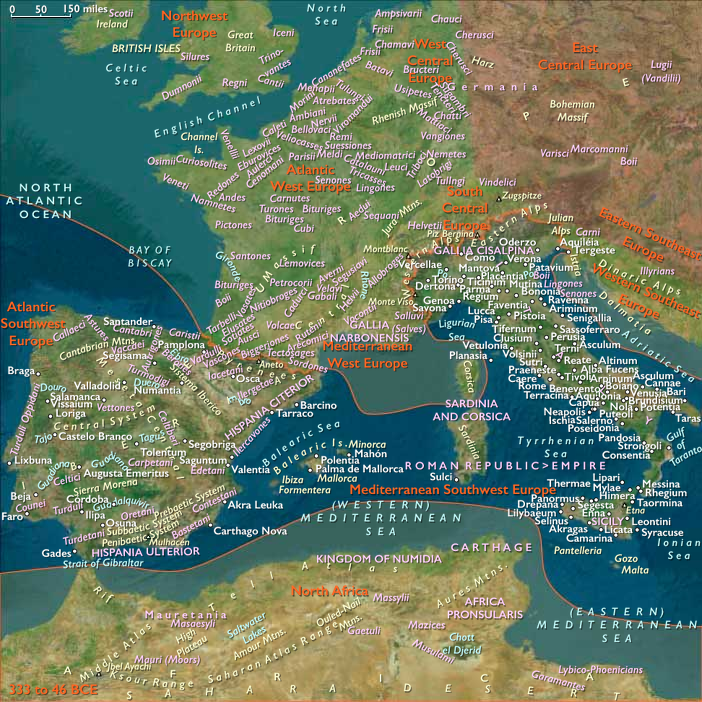
Rome’s conquest of Italy in the early Italian campaigns from 458 to 396 BCE had resulted in a collection of alliances between Rome and the cities and communities of Italy, on more or less favorable terms depending on whether a given city had voluntarily allied with Rome or been defeated in war.
These cities are theoretically independent, but in practice Rome has the right to demand from them tribute money and a certain number of soldiers: by the second century BCE, between one half and two-thirds of the soldiers in Roman armies were drawn from the Italian allies.
The Roman government also has virtual control over the allies' foreign policy, including their interaction with one another.
In exchange for these exactions, the allies had traditionally received a portion of the booty and lands taken in the course of Rome's conquest of the Mediterranean world.
The Romans' evolving policy of land distribution has led to great inequality of land ownership and wealth as Roman politicians redirect these profits to enrich Rome alone in the second century BCE.
The allies have protested, but Rome has ignored their demands.
Drusus now gradually loses support from the Senate, the equestrians, the Roman population, who do not want the Italians to become citizens, and wealthy Italian landlords who do not want to lose their land.
The opposition is led by the Consul Lucius Marcius Philippus and by Drusus's brother-in-law, the Praetor Servilius Caepio.
It is revealed that the whole of non-Roman Italy had sworn an oath to enter into his clientele if he managed to enfranchise them, which would have given Drusus considerable power.
In political retaliation, led by Phillipus, for his proposal to grant citizenship to the Italian allies, his previous bills are declared invalid on religious technicalities by the Senate.
Drusus refuses to use his tribunician veto to prevent this from happening, his reasoning being that he wants his bill to have a clear majority in the Senate.
Soon after this, he is assassinated.
As Rome continues to the demands of the cities, the allies’ anger continues to grow to such an extent that most of them eventually declare war on their former ally.
Locations
People
Groups
Topics
- Classical antiquity
- Roman colonization
- Roman Age Optimum
- Roman Republic, Crisis of the
- Social War (91–88 BCE)
Commodoties
Subjects
Regions
Subregions
Related Events
Showing 10 events out of 62828 total
Years: 91BCE - 91BCE
Locations
People
Groups
Topics
- Classical antiquity
- Roman colonization
- Roman Age Optimum
- Roman Republic, Crisis of the
- Social War (91–88 BCE)
Commodoties
Subjects
Regions
Subregions