
The Prague Slavic Congress brings together members …
Years: 1848 - 1848
June
The Prague Slavic Congress brings together members of the Pan-Slavism movement from June 2 to June 12, 1848.
The initiative comes from Pavel Jozef Šafárik and Josip Jelačić, but is organized by Czech activists František Palacký, Karl Zapp, Karel Havlíček Borovský, and František Ladislav Rieger.
In addition to lacking a goal, the conference planners also quarrel over the format and the agenda of the gathering.
Once underway, the conference meets in three sections: Poles and Ukrainians (at this time Ruthenians); South Slavs; and Czecho-Slovaks.
The Pole-Ukrainian section contains a combination of Ruthenes, Mazurians, Greater Poles, and Lithuanians.
Of the total 3three hundred and forty delegates at the Congress, the greatest number comes from the Czecho-Slovak section.
Two hundred and thirty-seven Czecho-Slovaks participate along with forty-two South Slavs and sixty-one Poles-Ukrainians.
German is the primary language used during discussions.
During the Congress, there is debate about the role of Austria in the lives of the Slavs.
The Congress is cut short on June 12 because of the Prague Uprising of 1848 that erupts due to the Austrian garrison in Prague opening fire on a peaceful demonstration.
Locations
People
Groups
- Lithuanians (Eastern Balts)
- Germans
- Slavs, West
- Slavs, South
- Poles (West Slavs)
- Czechs [formerly Bohemians] (West Slavs)
- Slovaks (West Slavs)
- Ukrainians (East Slavs)
- Bohemia, Kingdom of
- Austrian Empire
Topics
Subjects
Regions
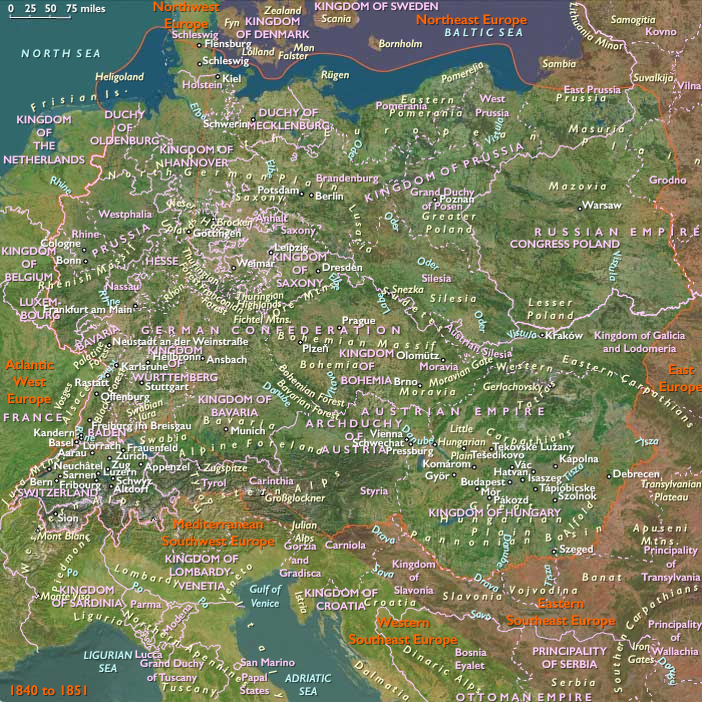
Subregions
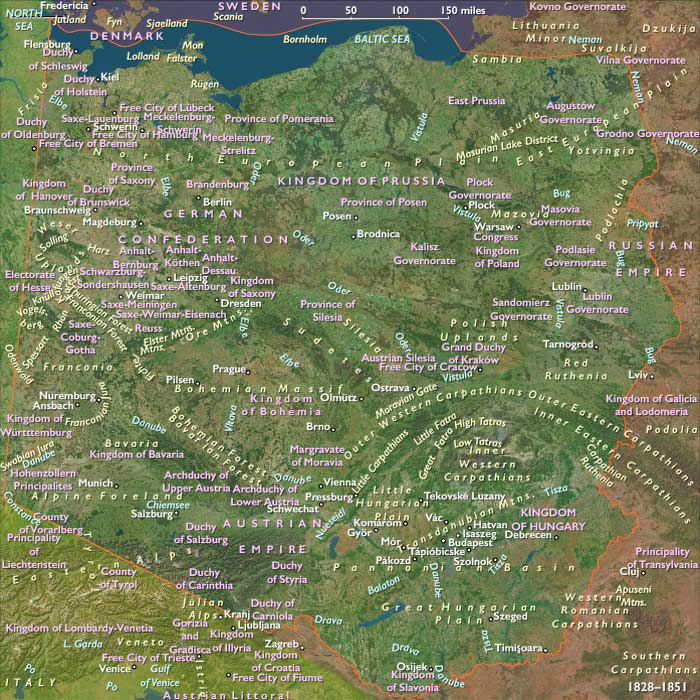
Years: 1848 - 1848
June
Locations
People
Groups
- Lithuanians (Eastern Balts)
- Germans
- Slavs, West
- Slavs, South
- Poles (West Slavs)
- Czechs [formerly Bohemians] (West Slavs)
- Slovaks (West Slavs)
- Ukrainians (East Slavs)
- Bohemia, Kingdom of
- Austrian Empire
Topics
Subjects
Regions
Subregions