
The Yongle emperor begins construction in 1406 …
Years: 1406 - 1406
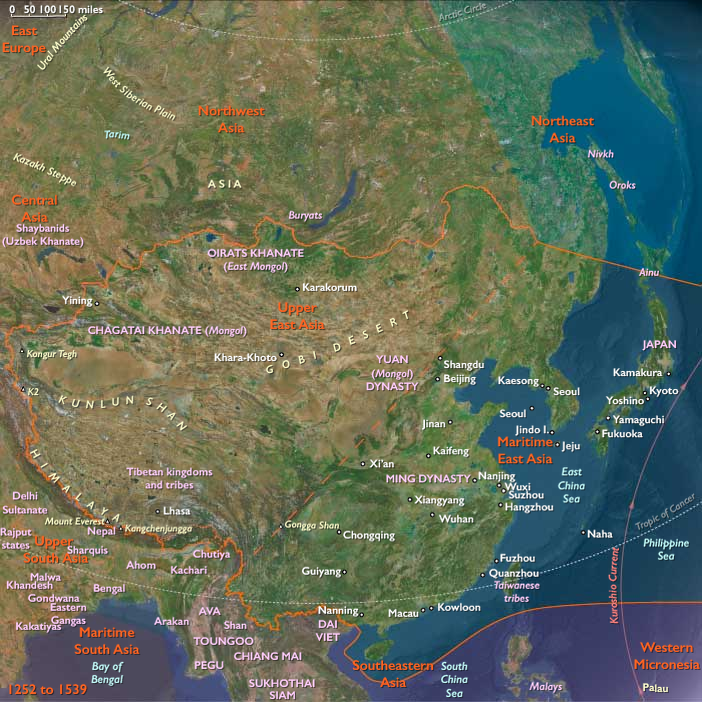
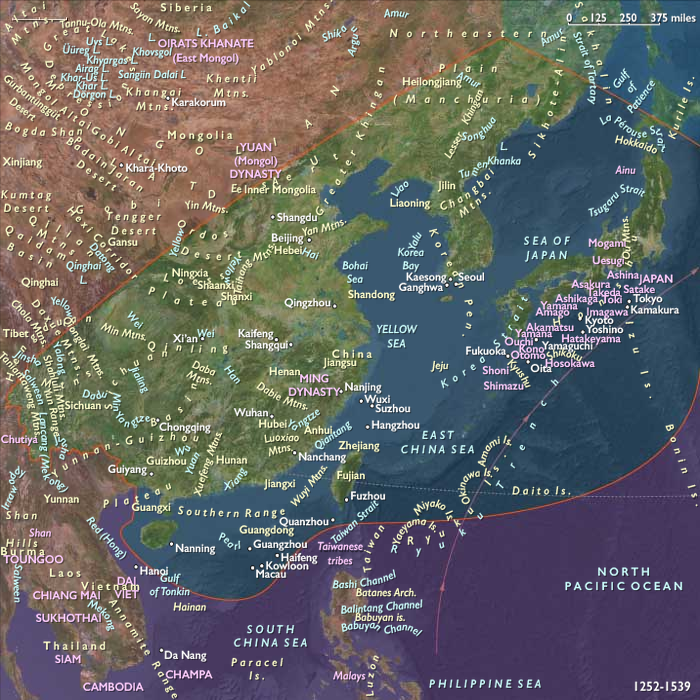
The Yongle emperor begins construction in 1406 on a palace complex in Beijing, which he plans to make his new capital.
Known as the Forbidden City, the complex, which will be completed in 1420, consists of niine hundred and eighty surviving buildings with 8,707 bays of rooms and covers 720,000 square meters.
For almost five centuries, the Forbidden City will serve as the home of the Emperor and his household, and the ceremonial and political center of Chinese government. (Exemplifying traditional Chinese palatial architecture, the palace complex, declared a World Heritage Site in 1987, has influenced cultural and architectural developments in East Asia and elsewhere. It is listed by UNESCO as the largest collection of preserved ancient wooden structures in the world.)
Locations
People
Groups
Topics
Subjects
Regions
Subregions
Related Events
Showing 10 events out of 42546 total
Years: 1406 - 1406
Locations
People
Groups
Topics
Subjects
Regions
Subregions