
Filters:
The First Crusade (1096–1099): From Pilgrimage to …
Years: 1096 - 1107
The First Crusade (1096–1099): From Pilgrimage to Military Campaign
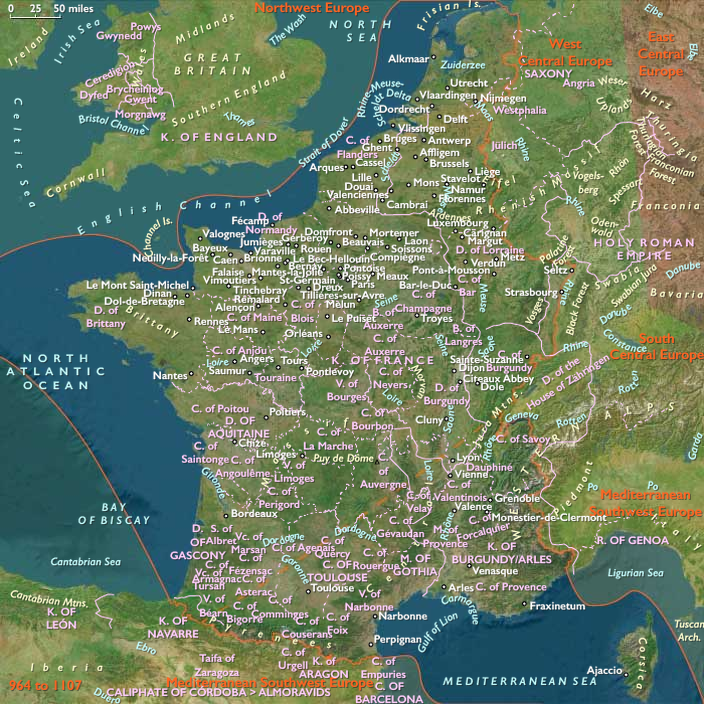
The First Crusade began as a widespread religious pilgrimage from France and Germany but soon evolved into a military expedition by Roman Catholic Europe to reclaim the Holy Land from Muslim rule. The campaign ultimately resulted in the capture of Jerusalem in 1099, marking one of the most significant events in medieval history.
Origins: A Mass Movement of Pilgrims and Warriors
- The Crusade attracted people from all social classes, including:
- Knights, seeking military glory and spiritual rewards.
- Peasants and serfs, some of whom saw the Crusade as a path to freedom or salvation.
- Minor nobles, looking for land and opportunities in the East.
- Many sold or mortgaged their lands to fund the journey, highlighting the economic and personal sacrifices required to undertake the expedition.
Journey to the Holy Land
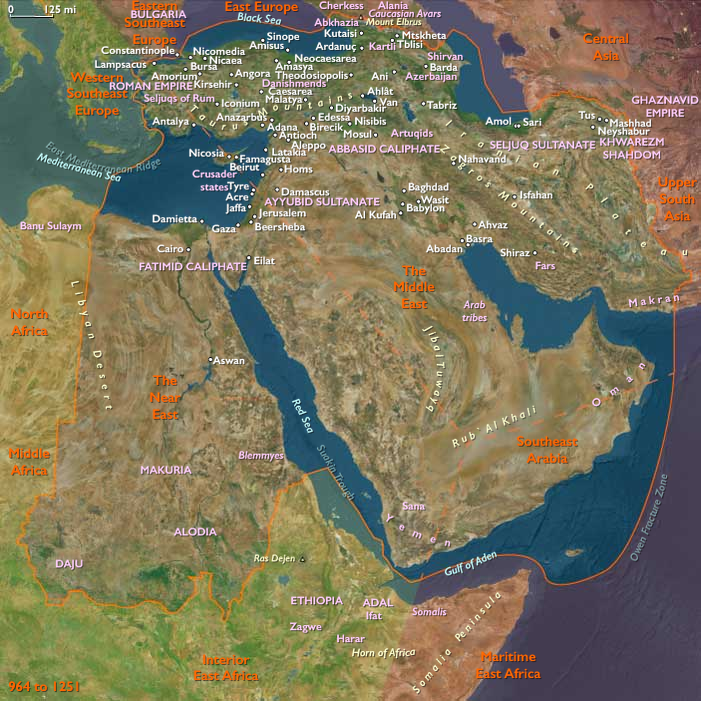
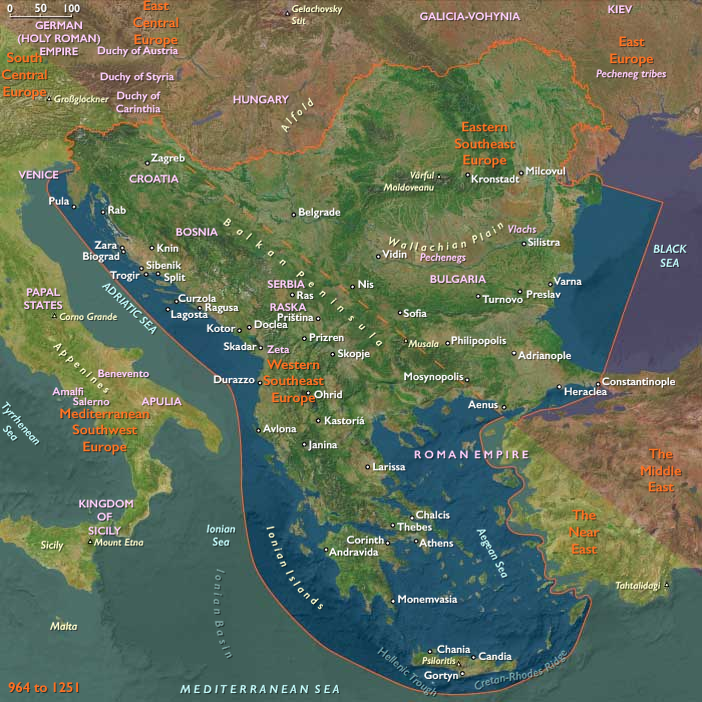
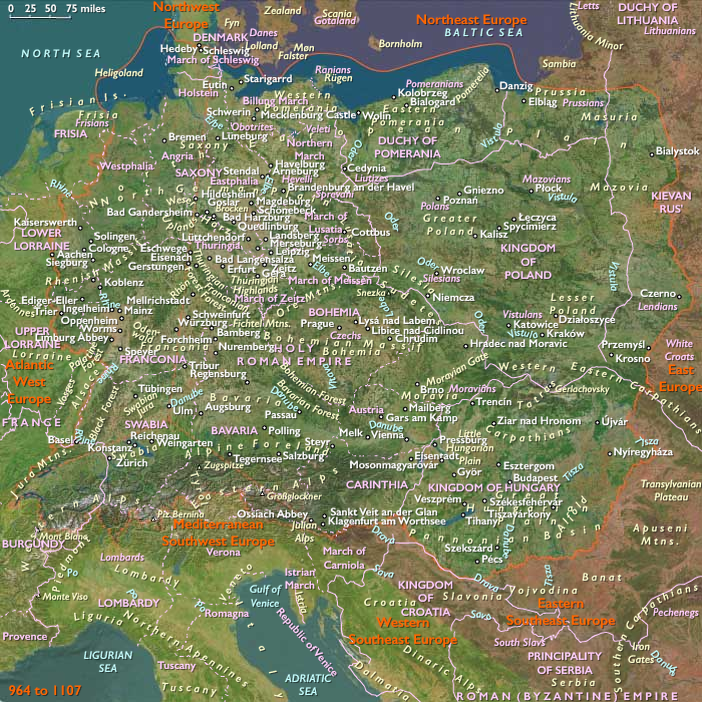
- The Crusaders traveled over land and by sea, first gathering in Constantinople before advancing toward Jerusalem.
- The journey was long and perilous, involving battles, sieges, and encounters with both Muslim and Byzantine forces.
- The First Crusade was distinct from later ones in that it was not led by kings, but rather by a mix of noble lords and church leaders.
Outcome: The Capture of Jerusalem (1099)
- After a three-year campaign, the Crusaders stormed Jerusalem in July 1099, establishing the first Crusader states in the Levant.
- The capture of the city was brutal, with massacres of Muslim and Jewish inhabitants, reinforcing the fierce religious fervor of the movement.
Significance and Legacy
- The First Crusade set a precedent for further military campaigns in the Middle East, shaping Christian-Muslim relations for centuries.
- It established European political and military presence in the Levant, leading to the formation of Crusader states such as the Kingdom of Jerusalem.
- The economic and social impact was vast, as many Western nobles and knights remained in the Holy Land, while others returned home financially drained or politically transformed.
The First Crusade was a unique fusion of pilgrimage and warfare, demonstrating the power of religious ideology to mobilize vast segments of European society and reshape the political landscape of the medieval world.
Groups
- Jews
- Germans
- Greeks, Medieval (Byzantines)
- Islam
- Muslims, Sunni
- Muslims, Shi'a
- Ismailism
- Abbasid Caliphate (Baghdad)
- German, or Ottonian (Roman) Empire
- Turkmen people
- French people (Latins)
- France, (Capetian) Kingdom of
- Seljuq Empire (Isfahan)
- Christians, Roman Catholic
- Christians, Eastern Orthodox
- Roman Empire, Eastern: Komnenos dynasty, restored
- Antioch, Principality of
- Edessa, County of
- Jerusalem, Latin Kingdom of
- Palestine, Frankish (Outremer)
Topics
Commodoties
Subjects
Regions
Subregions
- East Central Europe
- Eastern Southeast Europe
- Middle East
- Near East
- Atlantic West Europe
- West Central Europe
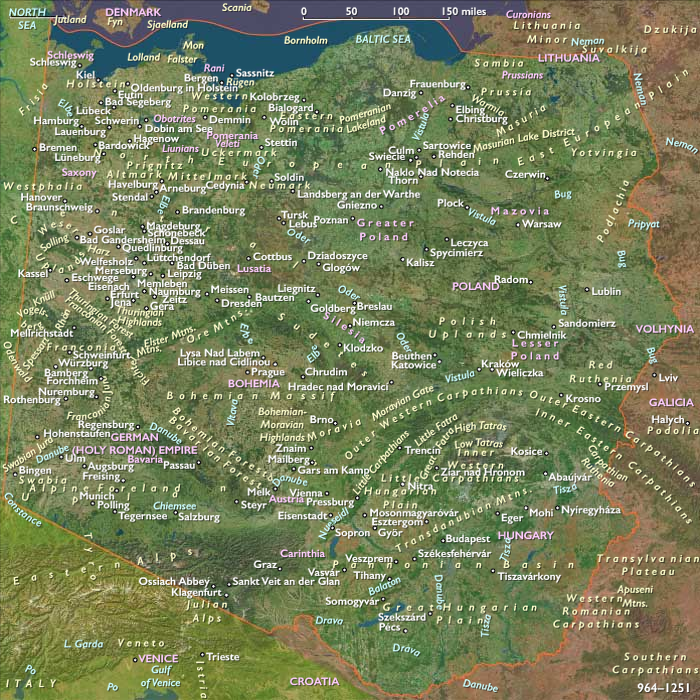
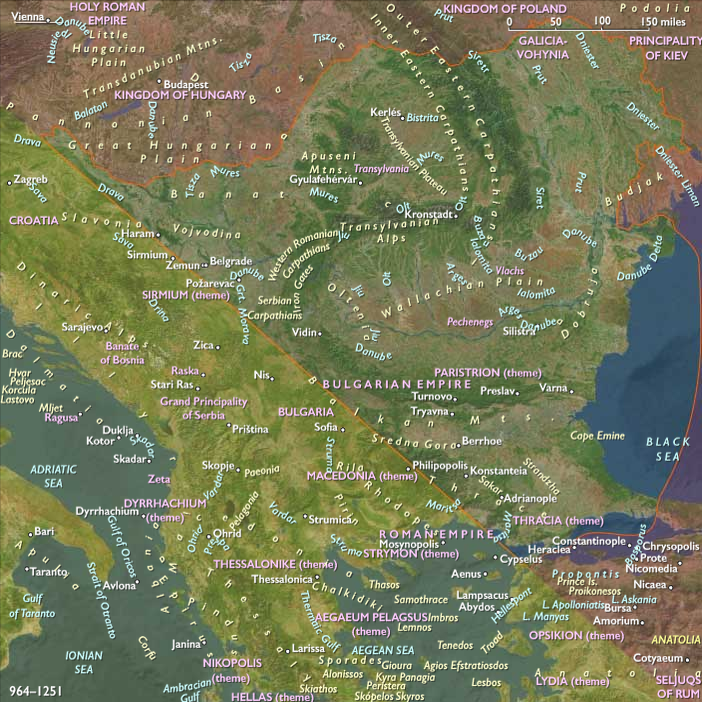
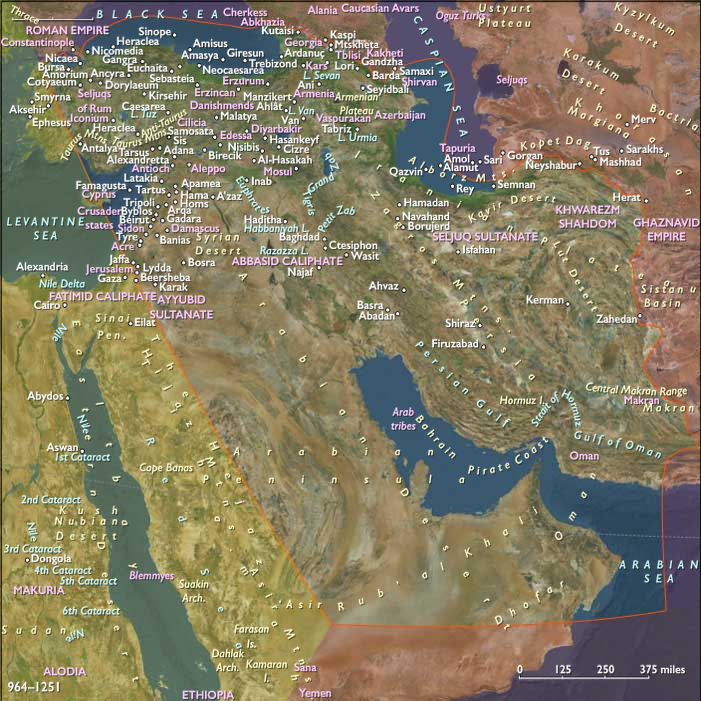
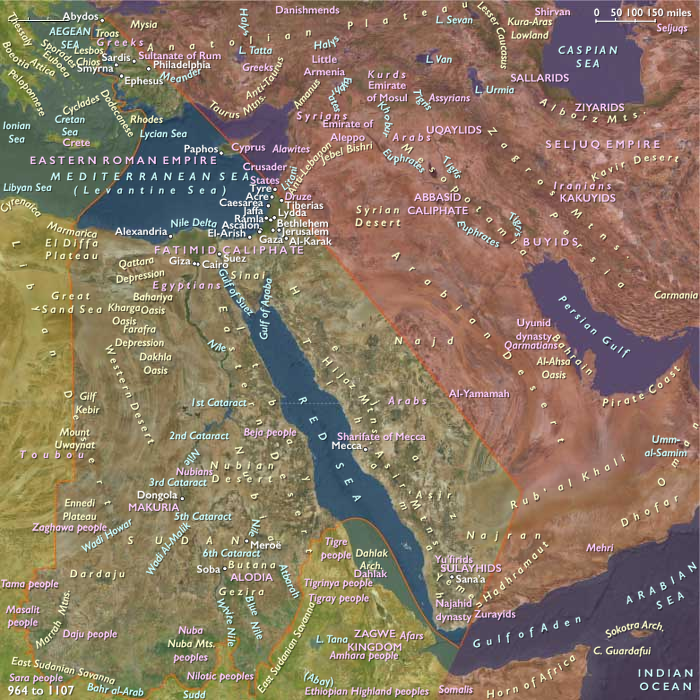
Years: 1096 - 1107
Groups
- Jews
- Germans
- Greeks, Medieval (Byzantines)
- Islam
- Muslims, Sunni
- Muslims, Shi'a
- Ismailism
- Abbasid Caliphate (Baghdad)
- German, or Ottonian (Roman) Empire
- Turkmen people
- French people (Latins)
- France, (Capetian) Kingdom of
- Seljuq Empire (Isfahan)
- Christians, Roman Catholic
- Christians, Eastern Orthodox
- Roman Empire, Eastern: Komnenos dynasty, restored
- Antioch, Principality of
- Edessa, County of
- Jerusalem, Latin Kingdom of
- Palestine, Frankish (Outremer)
Topics
Commodoties
Subjects
Regions
Subregions
- East Central Europe
- Eastern Southeast Europe
- Middle East
- Near East
- Atlantic West Europe
- West Central Europe