
The Founding of Eindhoven: City Rights Granted …
Years: 1232 - 1232
The Founding of Eindhoven: City Rights Granted in 1232
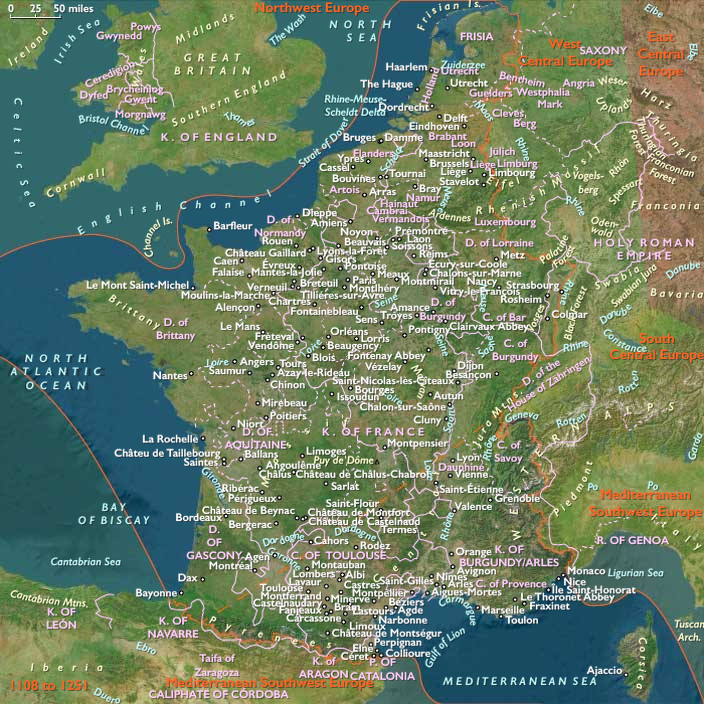
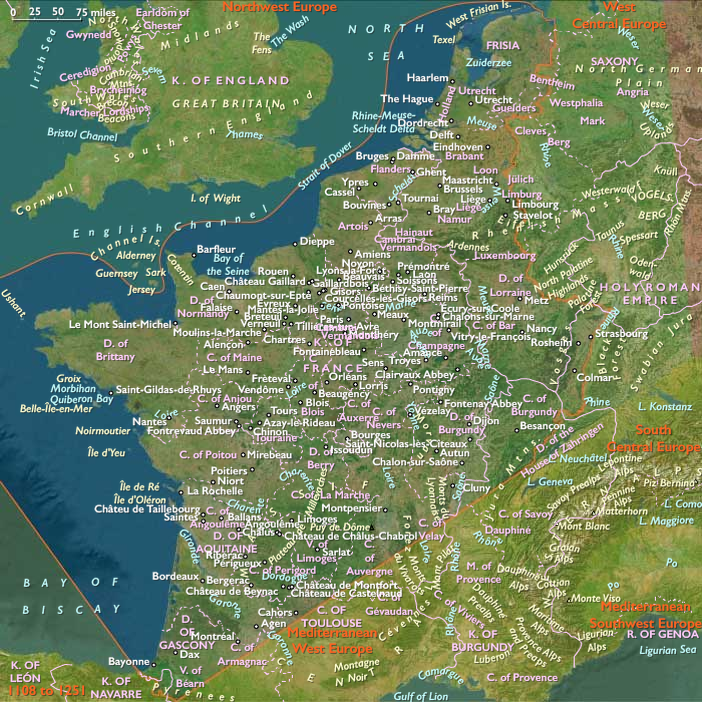
The written history of Eindhoven, a town in the modern Netherlands, begins in 1232, when Duke Hendrik I of Brabant granted city rights to what was then a small settlement at the confluence of the Dommel and Gender streams. At the time, Eindhoven had approximately 170 houses, enclosed by a protective rampart and supported by a small castle just outside the city walls.
Factors in Eindhoven’s Establishment
-
Strategic Location on Trade Routes
- Eindhoven was positioned on an important trade route connecting Holland to Liège, making it a natural commercial hub.
-
Market Rights and Economic Growth
- As part of its city charter, Eindhoven was granted the right to hold a weekly market.
- Farmers from surrounding villages were required to sell their produce in Eindhoven, boosting the town’s economic significance.
-
Urban Development and Fortifications
- The ramparts enclosing the city provided protection against raids and feudal conflicts.
- The presence of a nearby castle suggests Eindhoven also had a strategic military function in the region.
Eindhoven’s Growth and Modern Significance
- Over the centuries, Eindhoven evolved into a major industrial and technological center, particularly in the 20th and 21st centuries, due to the rise of Philips and other tech industries.
- Today, Eindhoven is the fifth-largest city in the Netherlands and the largest city in the province of North Brabant, maintaining its reputation as a center of commerce and innovation.
The granting of city rights to Eindhoven in 1232 laid the foundation for its economic and urban development, positioning it as a key trading center in medieval Brabant and beyond.
Locations
Groups
Subjects
Regions
Subregions
Related Events
Showing 10 events out of 47016 total
Years: 1232 - 1232
Locations
Groups
Subjects
Regions
Subregions