
The world’s sea levels have largely stabilized: …
Years: 2637BCE - 2494BCE
The world’s sea levels have largely stabilized: during the three hundred-and-seventy-five-year Abrolhos transgression, however, sea level peaks at one-and-a-half meters (three feet) above the twentieth-century level.
Large estuaries fill with river silt as the climate becomes progressively drier.
The world’s human population, currently standing at around eighty-five million, begins to accelerate.
The Bronze Age epoch had its beginnings in the late fourth millennium BCE, when metallurgists alloyed tin with copper to make bronze, the resultant alloy being easier to cast and possessed of superior mechanical properties.
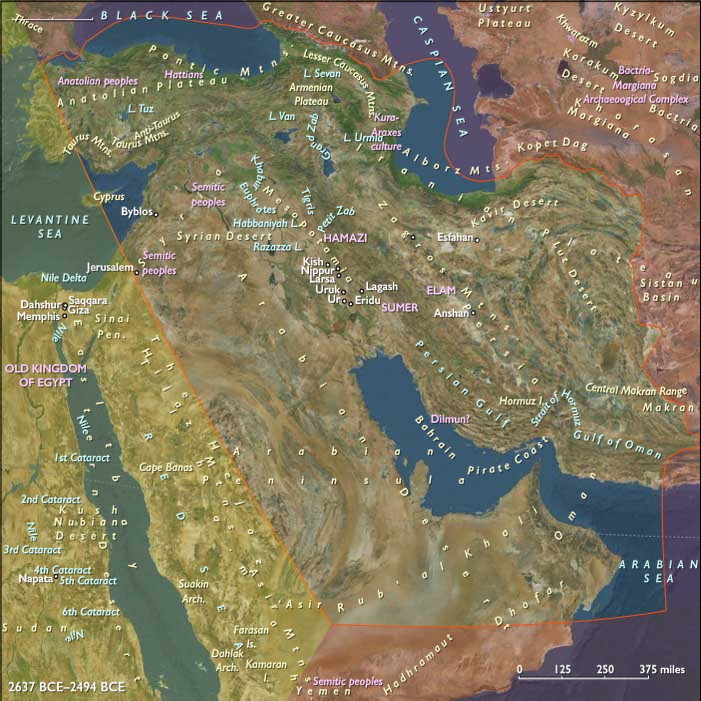
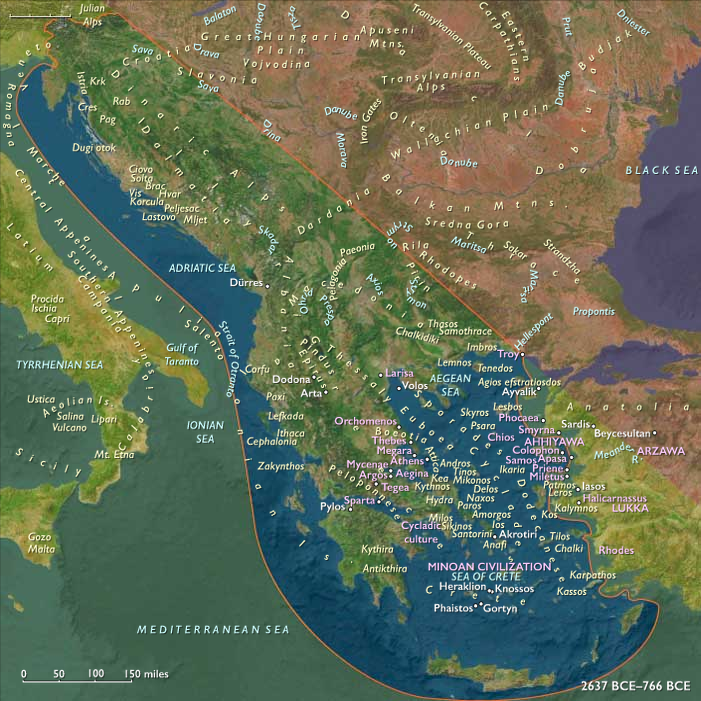
The Bronze Ages begin in earnest in the twenty-seventh century, when bronzes become common in Egypt, Crete, Syria-Palestine, Mesopotamia, and the Indus Valley.
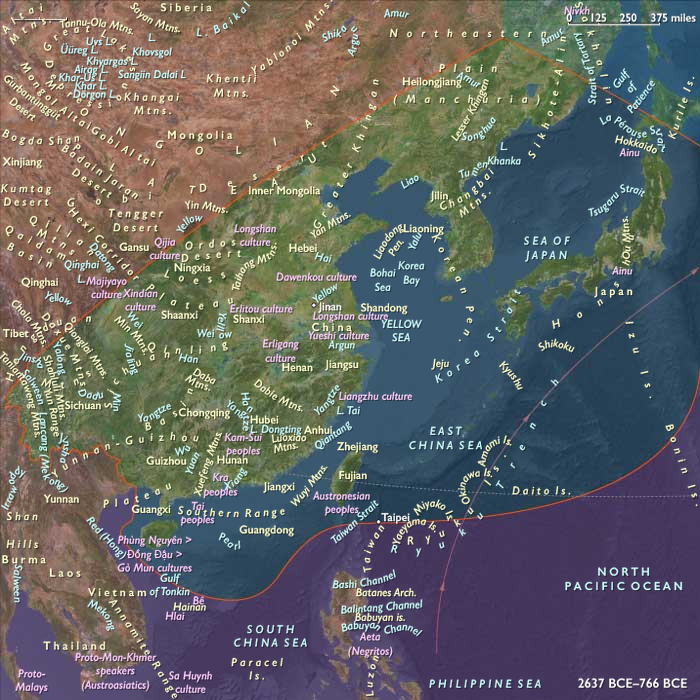
The lunisolar cycle that is the foundation of Chinese astrology begins in 2637 BCE.
It is based on a repeating sequence of twelve-year intervals, each with a specific character.
This is an epoch of construction.
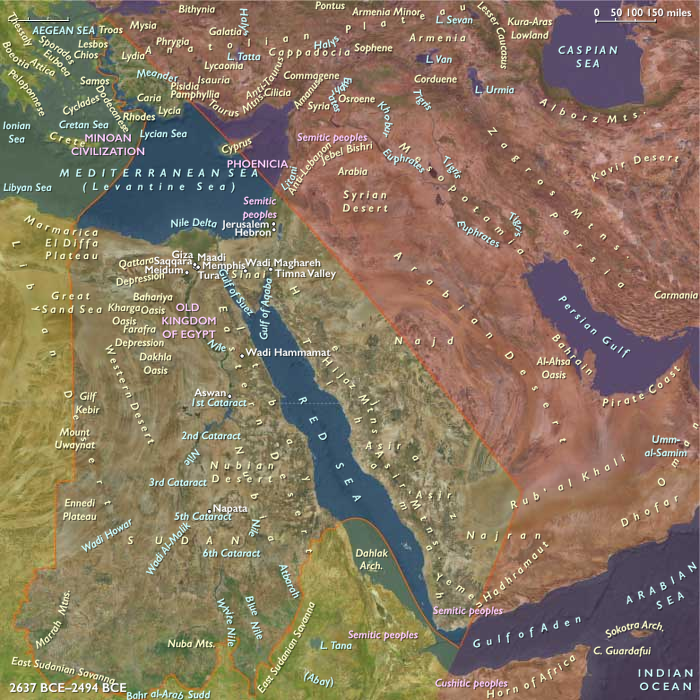
Many Egyptologists assign authorship of the Great Sphinx and the three magnificent pyramids of the Giza plateau to the kings of the Fourth Dynasty, although a minority opinion holds that these structures were constructed much earlier; some claim that the Sphinx is more than ten thousand years old.
The ten genuine masonry pyramids—that is, those that consist of solid core masonry—are apparently all built within a hundred-year period, though this is also disputed.
Located within fifty miles of one another, all are thought be archaeologists to have been constructed during the Third and Fourth Dynasties.
The builders use twenty-five million tons of limestone to produce structures built to astonishing tolerances on an unprecedented scale.
Groups
- Eridu, City-state of
- Minoan (Cretan) culture, Early
- Harrapan civilization, Early
- Sumer, Early Dynastic Period
- Egypt (Ancient), Old Kingdom of
- Canaanite culture, ancient
- Crete, Archaic
Topics
- Subboreal Period
- Three Sovereigns and Five Emperors Period in China
- Early Bronze Age III (Near and Middle East)
- Abrolhos Transgression
Commodoties
Subjects
- Commerce
- Architecture
- Environment
- Labor and Service
- Conflict
- Faith
- Government
- Technology
- Metallurgy
- Anthropology
- Archaeology
Regions
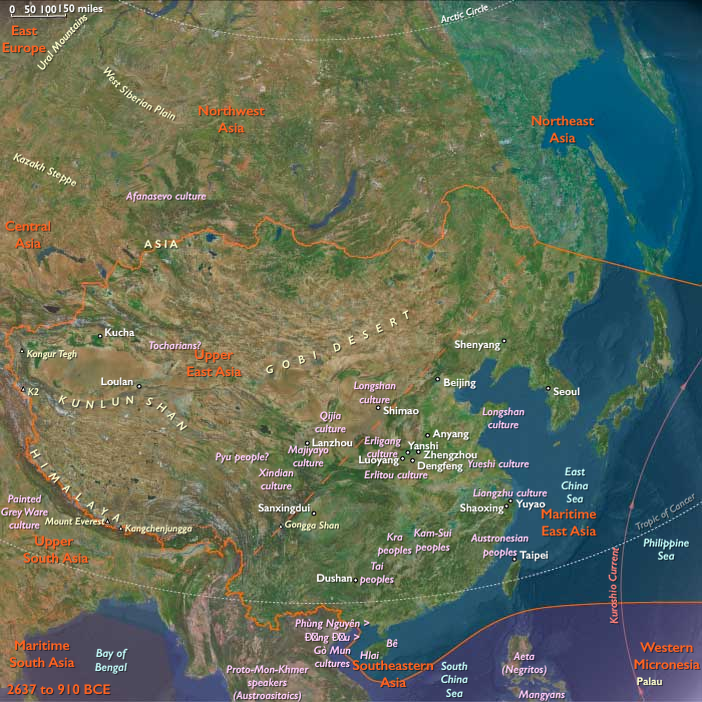
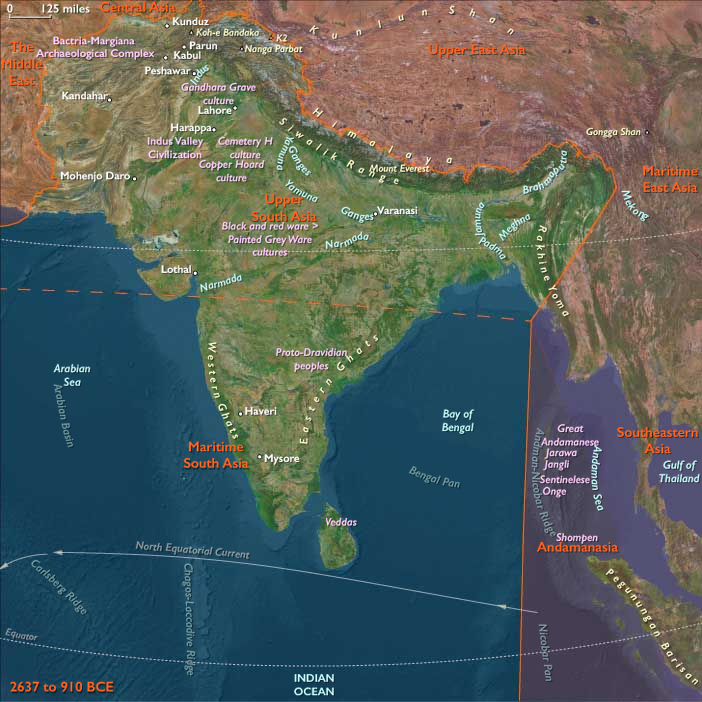
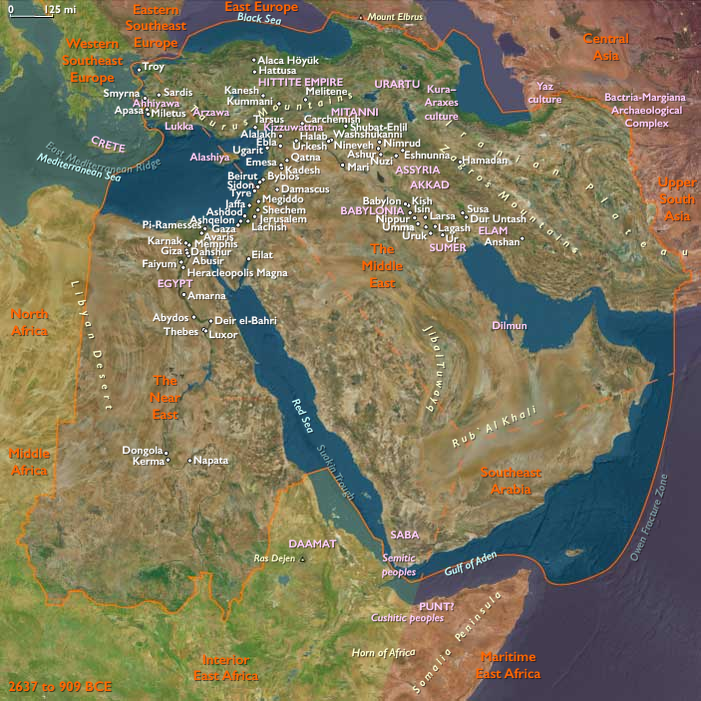
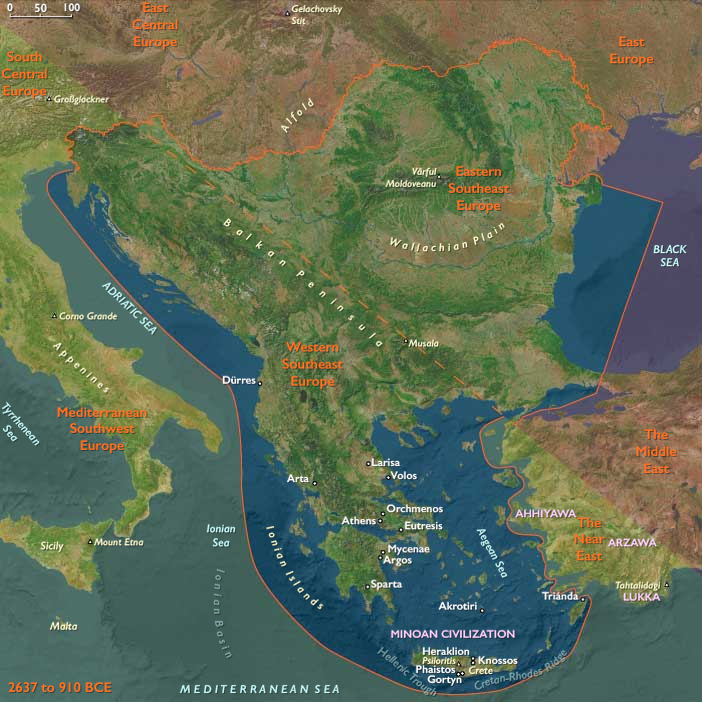
Subregions
Related Events
Showing 10 events out of 68553 total
Years: 2637BCE - 2494BCE
Groups
- Eridu, City-state of
- Minoan (Cretan) culture, Early
- Harrapan civilization, Early
- Sumer, Early Dynastic Period
- Egypt (Ancient), Old Kingdom of
- Canaanite culture, ancient
- Crete, Archaic
Topics
- Subboreal Period
- Three Sovereigns and Five Emperors Period in China
- Early Bronze Age III (Near and Middle East)
- Abrolhos Transgression
Commodoties
Subjects
- Commerce
- Architecture
- Environment
- Labor and Service
- Conflict
- Faith
- Government
- Technology
- Metallurgy
- Anthropology
- Archaeology
Regions
Subregions