
...the Wabanaki Confederacy of Acadia launches the …
Years: 1745 - 1745
...the Wabanaki Confederacy of Acadia launches the Northeast Coast Campaign against the British settlements on the border of Acadia in Maine.
Locations
People
- Charles Emmanuel III
- George II of Great Britain
- Louis XV of France
- Maria Theresa
- Philip V of Spain
- Thomas Mathews
Groups
- Abenaki people (Amerind tribe)
- Maliseet, or Wolastoqiyik, people (Amerind tribe)
- Mi'kmaq people (Amerind tribe)
- Wabanaki Confederacy
- New France (French Colony)
- France, (Bourbon) Kingdom of
- Massachusetts, Province of (English Crown Colony)
- Spain, Bourbon Kingdom of
- Britain, Kingdom of Great
- Nova Scotia (British Colony)
- Sardinia, Kingdom of (Savoy)
Topics
- Colonization of the Americas, French
- Colonization of the Americas, British
- Austrian Succession, War of the
- King George's War
- Northeast Coast Campaign (1745)
Commodoties
Subjects
Regions
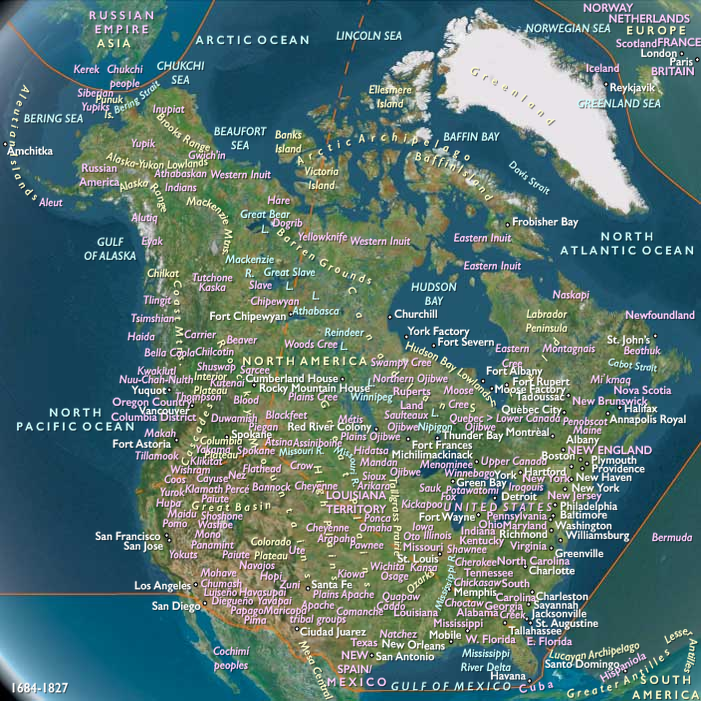
Subregions
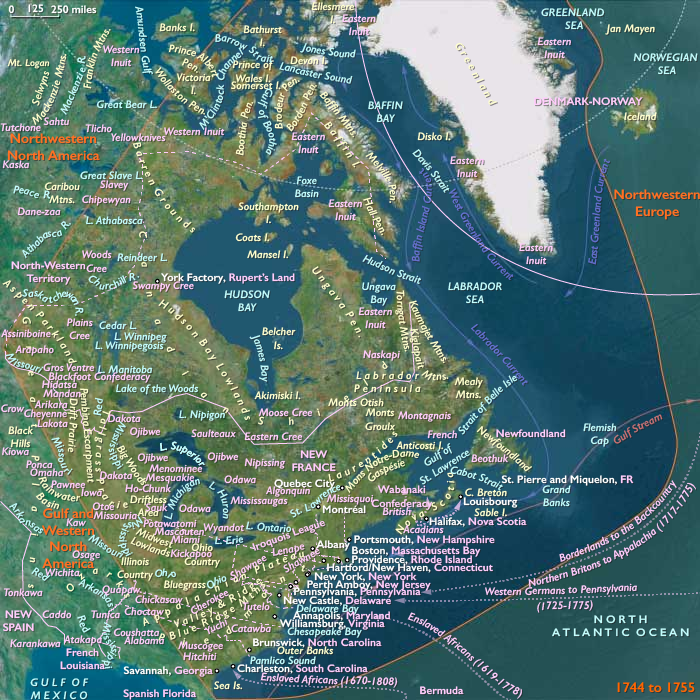
Related Events
Showing 10 events out of 27125 total
Years: 1745 - 1745
Locations
People
- Charles Emmanuel III
- George II of Great Britain
- Louis XV of France
- Maria Theresa
- Philip V of Spain
- Thomas Mathews
Groups
- Abenaki people (Amerind tribe)
- Maliseet, or Wolastoqiyik, people (Amerind tribe)
- Mi'kmaq people (Amerind tribe)
- Wabanaki Confederacy
- New France (French Colony)
- France, (Bourbon) Kingdom of
- Massachusetts, Province of (English Crown Colony)
- Spain, Bourbon Kingdom of
- Britain, Kingdom of Great
- Nova Scotia (British Colony)
- Sardinia, Kingdom of (Savoy)
Topics
- Colonization of the Americas, French
- Colonization of the Americas, British
- Austrian Succession, War of the
- King George's War
- Northeast Coast Campaign (1745)
Commodoties
Subjects
Regions
Subregions