
The Battle of Saucourt (881): A Carolingian …
Years: 881 - 881
The Battle of Saucourt (881): A Carolingian Victory Against the Vikings
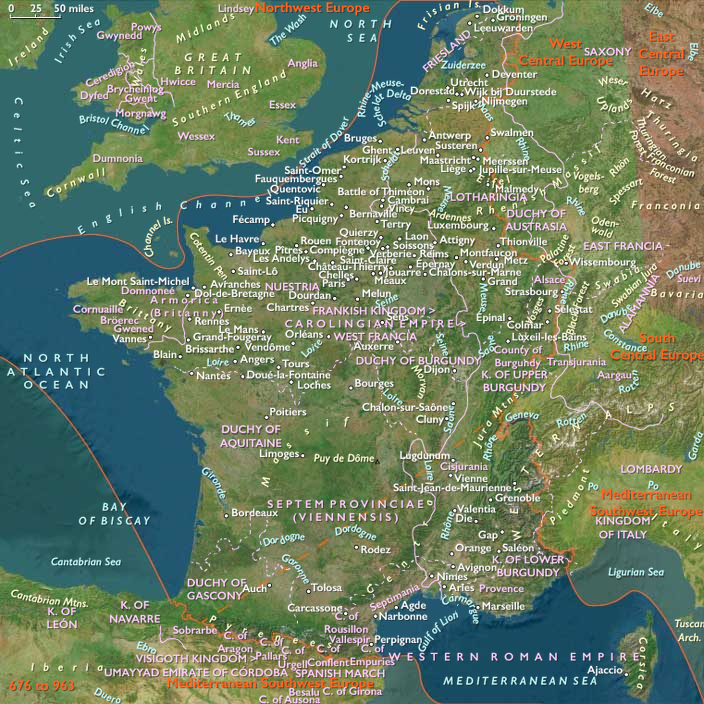
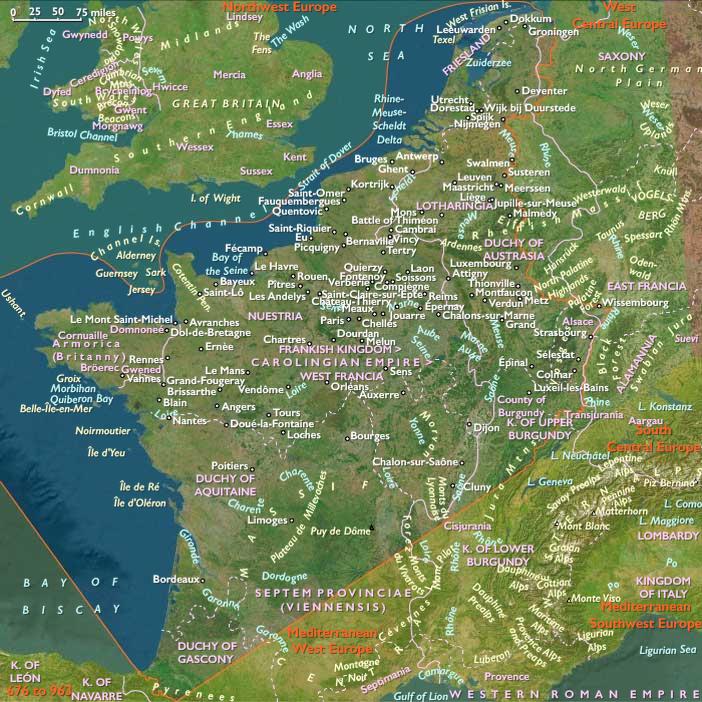
Following their defeat at the Battle of Thimeon (879) at the hands of Louis the Younger, King of East Francia, the Vikings resume their devastating raids into the Frankish kingdom, striking deeper into West Francia. Their continued plundering prompts a decisive Frankish response, culminating in the Battle of Saucourt (881), one of the most significant military victories against the Norse invaders.
The Viking Raids Leading Up to Saucourt
- November 880 → Viking forces reach Kortrijk, continuing their assaults on Carolingian territories in the Low Countries.
- December 880 → The Norse sack Cambrai and Arras, targeting key Frankish cities and religious centers.
- Early 881 → The Vikings plunder Amiens and Corbie, pushing further into the heart of West Francia.
The Battle of Saucourt (881): A Rare Pitched Battle Against the Vikings
- Facing relentless Viking incursions, Louis III of West Francia (son of Louis the Stammerer) and his brother Carloman II rally their forces.
- Unlike previous encounters, where the Franks often relied on fortifications or defensive tactics, this battle is a pitched engagement, a rare direct field battle against Viking forces.
- At Saucourt, a hamlet between Valines and Fressenneville, about 10 miles west of Abbeville, the Frankish army meets the Norse warriors head-on.
- The battle is a decisive Carolingian victory, with an estimated 8,000 Viking warriors slain.
Celebration in the Ludwigslied
- The victory at Saucourt is commemorated in the Old High German poem Ludwigslied ("Song of Louis"), celebrating Louis III’s leadership and divine favor in battle.
- The poem, composed shortly after the battle, frames the victory as a Christian triumph over pagan invaders, reinforcing the Carolingian monarchy’s role as a defender of Christendom.
Impact and Consequences of the Battle
- Severe Viking losses → The 8,000 dead Vikings represent one of the largest recorded Norse casualties in a single battle.
- Temporary relief for West Francia → The Viking forces in the region are significantly weakened, allowing the Franks to reestablish control over key cities.
- Louis III’s rising reputation → The victory enhances his prestige, solidifying his status as a capable warrior-king.
- Continued Viking Threat → Despite this setback, Viking raids will continue throughout the 880s and 890s, showing that while the Franks can win battles, they struggle to prevent further incursions.
Conclusion: A Rare but Crucial Frankish Victory
The Battle of Saucourt (881) stands as one of the most significant Frankish victories against the Vikings, temporarily halting Norse expansion in West Francia. The Ludwigslied immortalizes the battle, framing it as a moment of divine intervention and Carolingian resilience, though Viking pressure on Francia remains a persistent challenge in the coming decades.
Locations
People
Groups
- Franks
- Vikings
- Frankish, or Carolingian (Roman) Empire
- Francia Occidentalis (West Francia, or France), Kingdom of
- Francia Orientalis (East Francia), Kingdom of
Topics
Commodoties
Subjects
Regions
Subregions
Years: 881 - 881
Locations
People
Groups
- Franks
- Vikings
- Frankish, or Carolingian (Roman) Empire
- Francia Occidentalis (West Francia, or France), Kingdom of
- Francia Orientalis (East Francia), Kingdom of
Topics
Commodoties
Subjects
Regions
Subregions