
The Viking Siege and Sack of Paris …
Years: 845 - 845
March
The Viking Siege and Sack of Paris (845): Ragnar’s Revenge and the First Danegeld
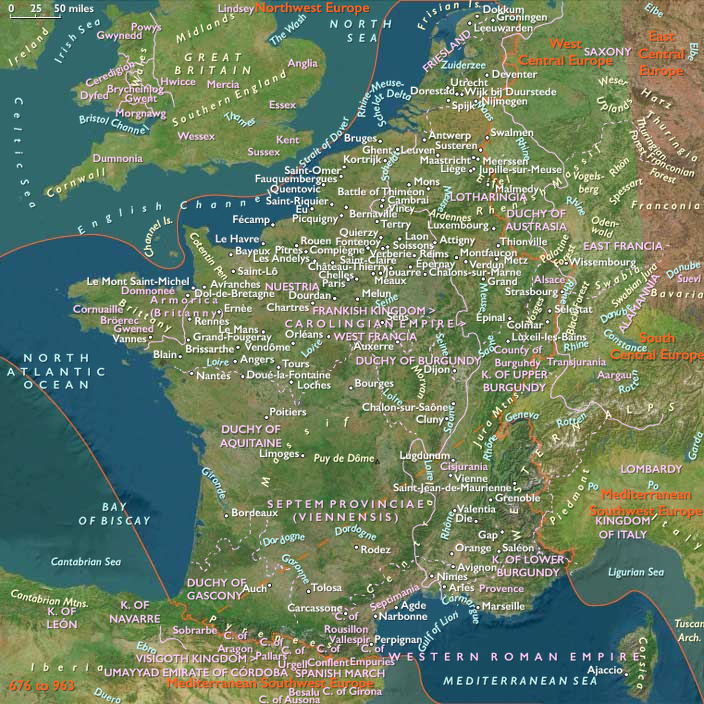
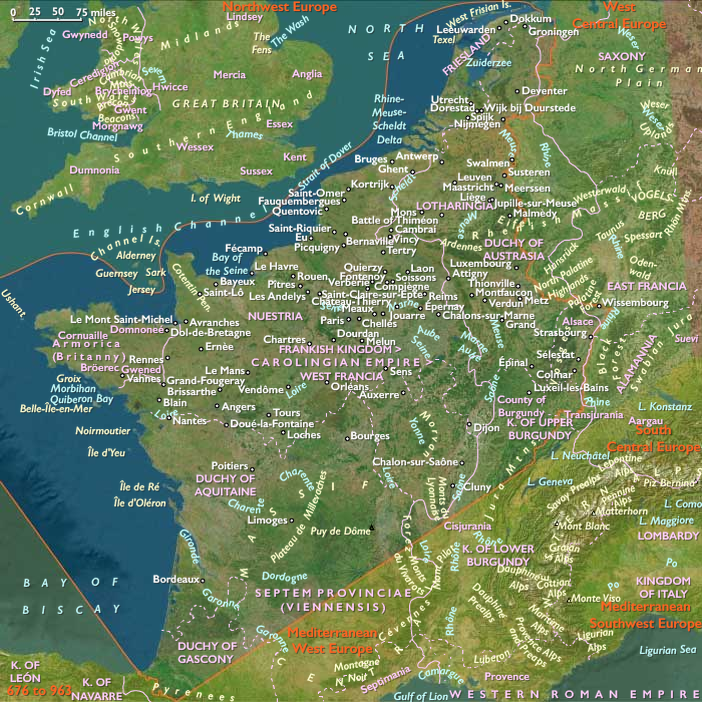
On Easter Sunday, March 28, or Easter Day, March 29, 845, Ragnar’s Viking forces finally arrive in Paris, plundering the city in what becomes the first recorded large-scale Norse attack on the Frankish capital. This event marks a major turning point in the Viking invasions of West Francia, as it leads to the first significant ransom payment (Danegeld) to Viking raiders.
The Siege and the Plague in the Viking Camp
- As Ragnar’s army sacks Paris, plague breaks out among the Vikings.
- Having been exposed to Christianity, the Norse warriors first pray to their gods, but the disease persists.
- On the advice of a Christian prisoner, the Vikings undertake a fast, and the plague subsides, an event that may have left some impression on Norse views of Christianity.
Charles the Bald’s Response: The First Danegeld
- The Franks fail to mount an effective defense, as Charles the Bald’s forces are unable to counter the Viking invasion.
- With no clear military option, Charles agrees to pay a massive ransom to secure Ragnar’s withdrawal.
- The Vikings receive 7,000 livres (French pounds) of silver and gold, roughly 2,570 kg (5,670 pounds)—a staggering sum in early medieval terms.
- This payment may have been perceived as compensation for Ragnar’s earlier loss of land in Turholt, making the entire invasion an act of revenge against Charles the Bald.
Ragnar’s Departure and Continued Raiding
- Despite accepting the ransom, Ragnar does not immediately return home but instead pillages more sites along the coast on his return journey, including the Abbey of Saint Bertin.
- This raid sets a dangerous precedent, as it proves to Viking leaders that the Franks are willing to pay large sums to avoid destruction.
The Political Context: Why Did Charles Pay the Vikings?
- Charles is already preoccupied with multiple internal and external threats:
- Dynastic disputes with his brothers following the Treaty of Verdun (843).
- Regional revolts in his kingdom.
- Disgruntled nobles, some of whom are reluctant to raise armies against the Vikings.
- External pressure from East Francia and Middle Francia.
- Given these challenges, paying the ransom buys Charles time, allowing him to focus on other pressing conflicts while potentially securing temporary Viking peace.
The First of Many Danegeld Payments
- Though the term "Danegeld" is not yet in use, this ransom payment marks the first of thirteen such tributes paid by the Franks to Viking raiders over the next several decades.
- The precedent set by Charles' payment only encourages more Viking raids, as the Franks now become a proven source of wealth for Norse leaders.
Long-Term Impact of the 845 Raid on Paris
- The siege of Paris exposes the vulnerability of West Francia, foreshadowing future Viking sieges in 856, 861, and the great siege of 885–886.
- The payment of Danegeld sets a model that other European rulers—including the English kings in the 10th and 11th centuries—will later follow.
- The continued Viking presence in Francia will eventually lead to land concessions, culminating in the formation of Normandy under Rollo in 911.
Conclusion: A Viking Triumph and a Frankish Dilemma
The siege of Paris in 845 is a defining moment in the Viking invasions of Francia. While Charles the Bald secures short-term peace by paying off the invaders, this decision only encourages further raids, forcing the Carolingians to continuously deal with the Viking threat through a mixture of military campaigns, fortifications, and ransom payments. The Viking siege exposes the weaknesses of the Carolingian defense system, foreshadowing the further fragmentation of West Francia and the rise of feudal strongholds as the primary defense against Norse incursions.
Locations
People
Groups
- Polytheism (“paganism”)
- Franks
- Christianity, Chalcedonian
- Denmark, Kingdom of
- Vikings
- Frankish, or Carolingian (Roman) Empire
- Danes (Scandinavians)
- Francia Occidentalis (West Francia, or France), Kingdom of
Topics
Commodoties
Subjects
Regions
Subregions
Related Events
Showing 10 events out of 54184 total
Years: 845 - 845
March
Locations
People
Groups
- Polytheism (“paganism”)
- Franks
- Christianity, Chalcedonian
- Denmark, Kingdom of
- Vikings
- Frankish, or Carolingian (Roman) Empire
- Danes (Scandinavians)
- Francia Occidentalis (West Francia, or France), Kingdom of
Topics
Commodoties
Subjects
Regions
Subregions