
The Columbian Exchange and the Rise of …
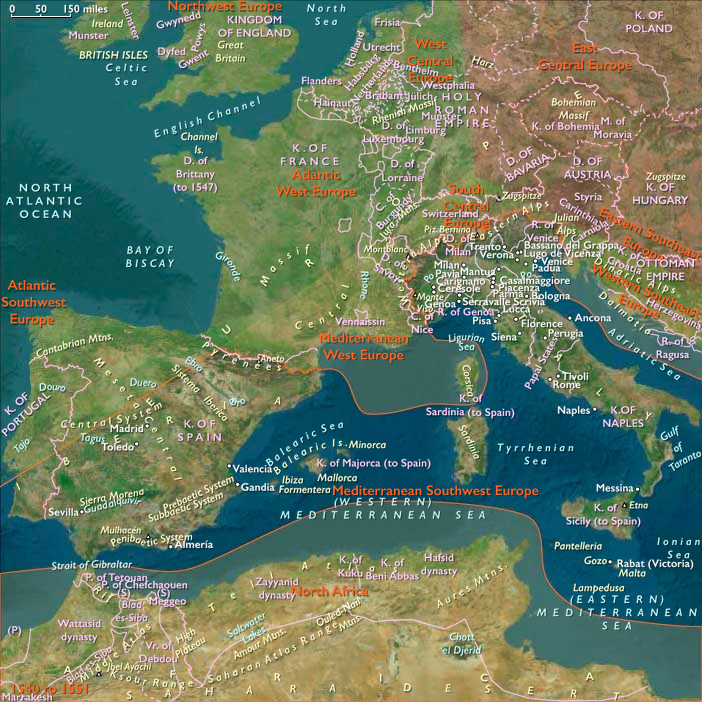
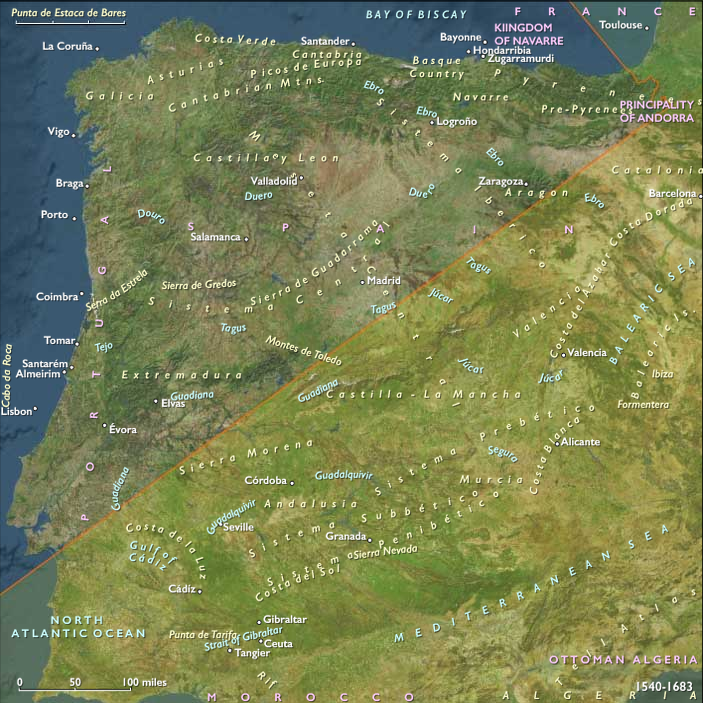
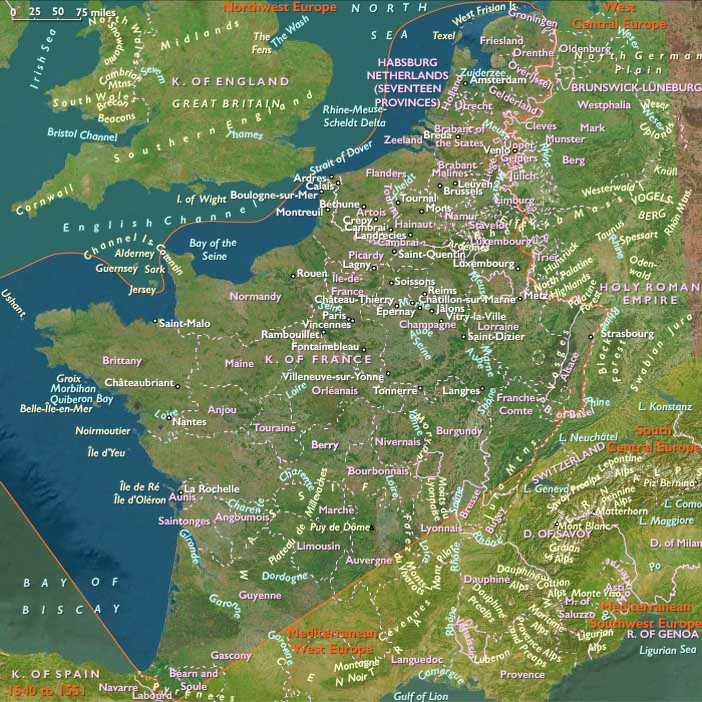
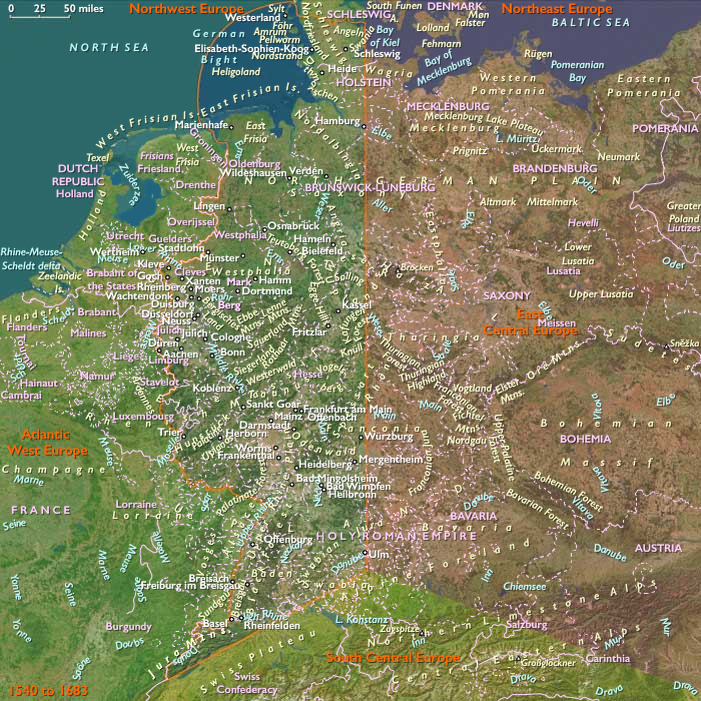
Years: 1540 - 1551
The Columbian Exchange and the Rise of Plantation Labor in the New World
The Columbian Exchange, which began in the 1520s, transformed global agriculture, trade, and labor systems. While Hernán Cortés is credited with introducing vanilla and chocolate to Europe, many New World crops were better suited for large-scale export rather than European cultivation. This shift created a demand for vast amounts of labor, particularly for plantation agriculture in the Americas.
Challenges of Growing New World Crops in Europe
-
Many tropical crops (such as sugar, tobacco, cacao, and vanilla) could not be profitably grown in Europe due to:
- Climate limitations (e.g., cacao and vanilla require tropical conditions).
- High labor costs in Europe compared to the New World.
- Greater profitability in exporting finished goods rather than raw materials.
-
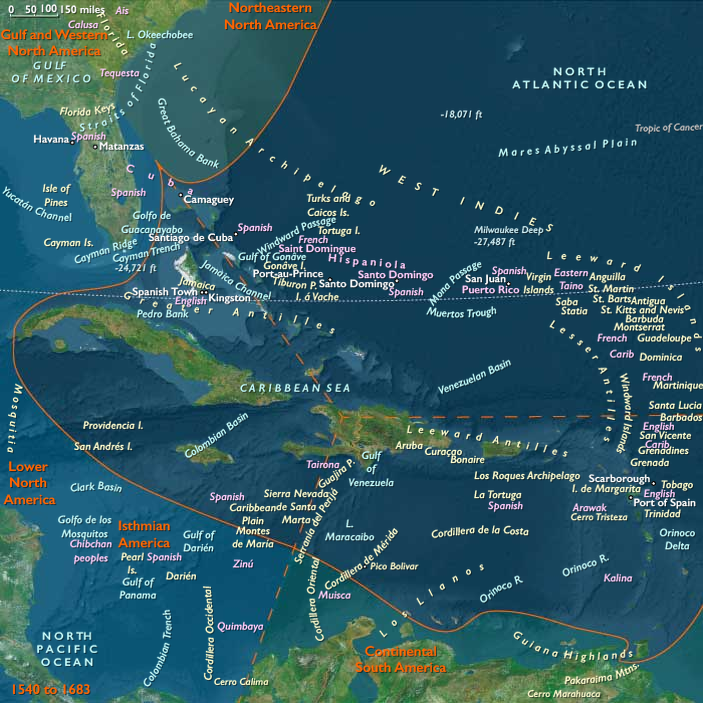
As a result, plantations became the economic backbone of European colonial economies, especially in the Caribbean, Brazil, and the American South.
The Constant Demand for Plantation Labor
The main challenge of New World plantations was the perpetual shortage of labor due to:
-
Abundance of Cheap Land
- Unlike in Europe, where land was scarce and expensive, the New World had vast tracts of land available.
- This made land ownership easier for free European immigrants, who often left plantation work to acquire their own farms.
- As a result, landowners struggled to retain workers, increasing the need for alternative labor sources.
-
High Labor Intensity of Plantation Crops
- Crops like sugar, tobacco, and cacao required:
- Constant attention throughout the growing season.
- Intensive manual labor for harvesting and processing.
- This workload exceeded the available free labor force, necessitating coerced labor systems.
- Crops like sugar, tobacco, and cacao required:
Labor Solutions: From Enslaved Indigenous People to African Slavery
-
Indigenous Enslavement (1520s–1550s)
- Initially, European colonists enslaved Indigenous peoples, forcing them to work on Spanish encomiendas and Portuguese sugar plantations.
- However, Indigenous populations declined drastically due to disease, warfare, and brutal treatment, leading to a labor crisis.
-
The Transatlantic Slave Trade (16th–19th centuries)
- To address labor shortages, European powers turned to the African slave trade.
- By the 17th century, enslaved Africans became the dominant labor force in:
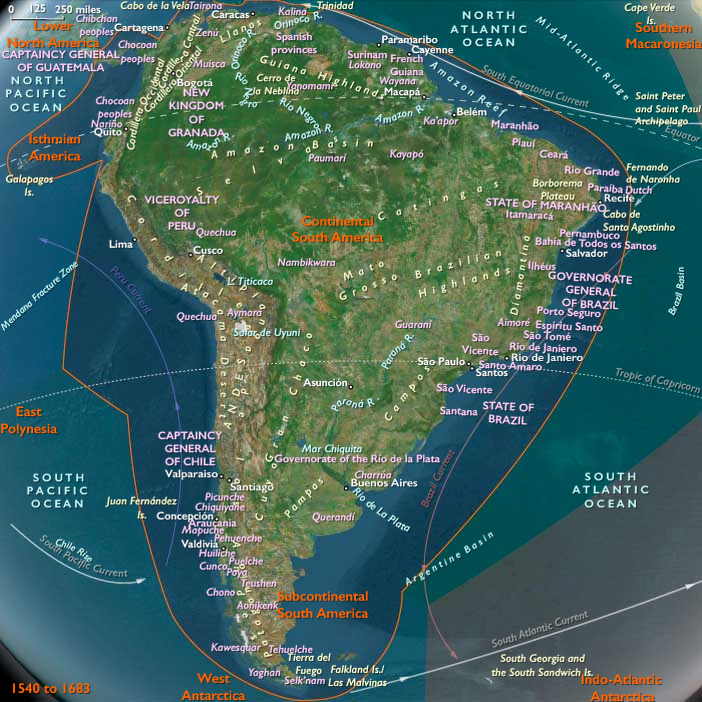
- Portuguese Brazil (sugar plantations).
- Spanish Caribbean and Mexico (silver mines and cacao farms).
- French and British Caribbean (sugar and tobacco plantations).
- The reliance on African slavery fueled the expansion of European colonial economies, with millions of Africans forcibly transported to the Americas.
Conclusion: The Columbian Exchange and the Evolution of Global Labor
The Columbian Exchange reshaped the global economy, creating a demand for plantation labor that European free settlers could not satisfy. This labor vacuum led to the expansion of slavery, which became a defining feature of European colonial rule in the Americas.
By the late 17th century, the plantation economy—driven by African enslavement—was the foundation of European imperial wealth, ensuring that New World crops like sugar, tobacco, and cacao became global commodities.
People
Groups
- Christians, Roman Catholic
- Santo Domingo, Captaincy General of
- Spain, Habsburg Kingdom of
- Cuba (Spanish Colony)
- Guatemala, (Spanish Colony)
- Habsburg Monarchy, or Empire
- Nueva Galicia or El Nuevo Reino de Galicia (The New Kingdom of Galicia)
- New Spain, Viceroyalty of
- Panama, Royal Audencia of
Topics
Commodoties
Subjects
Regions
- Southeast Europe
- Central Europe
- West Europe
- North Europe
- Northeastern Eurasia
- Southwest Europe
- West Indies
- South America
- Middle America
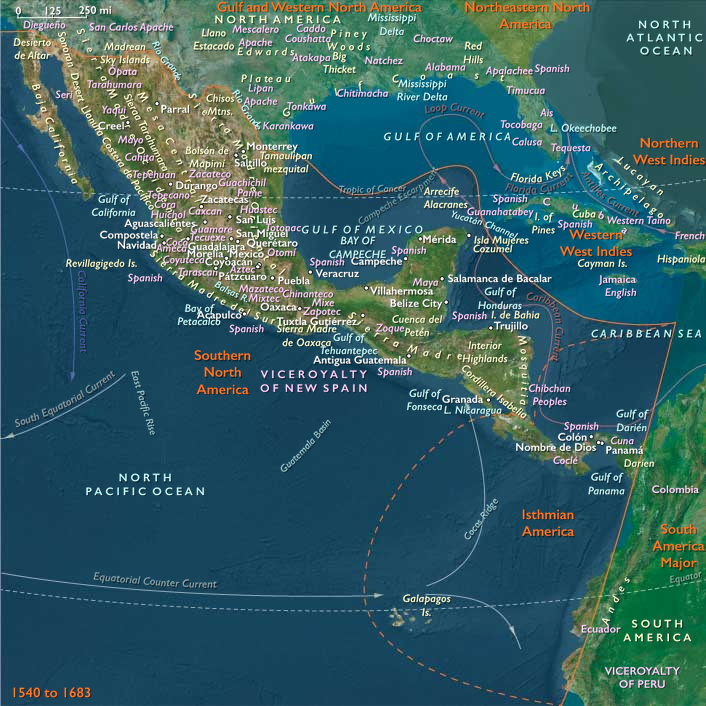
Subregions
- East Europe
- Northeast Europe
- East Central Europe
- Eastern Southeast Europe
- Western Southeast Europe
- South Central Europe
- Mediterranean West Europe
- Mediterranean Southwest Europe
- Atlantic Southwest Europe
- Atlantic West Europe
- West Central Europe
- Northwest Europe
- Northern West Indies
- Eastern West Indies
- South America Major
- Southern North America
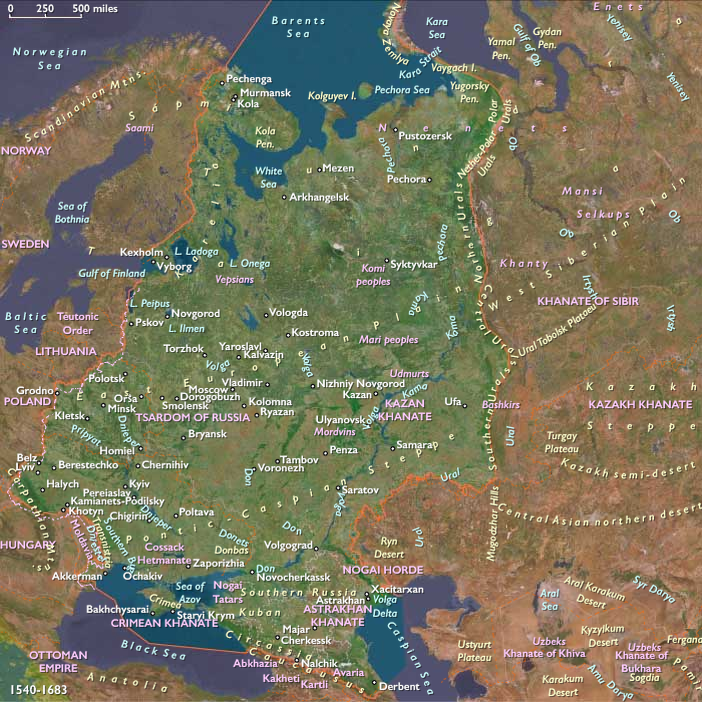
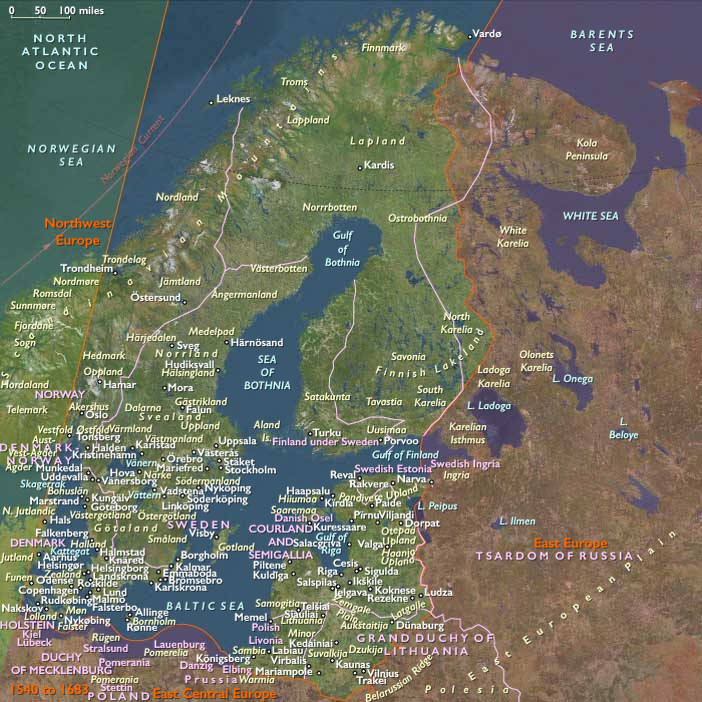
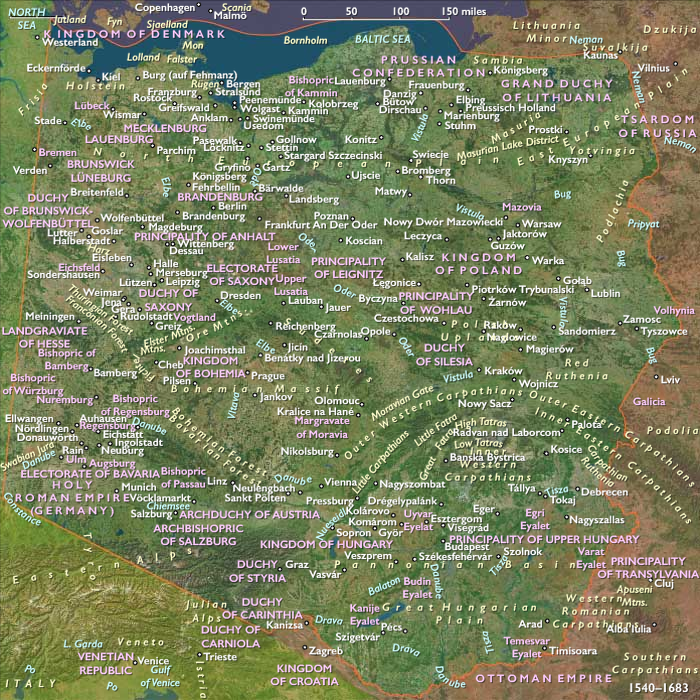
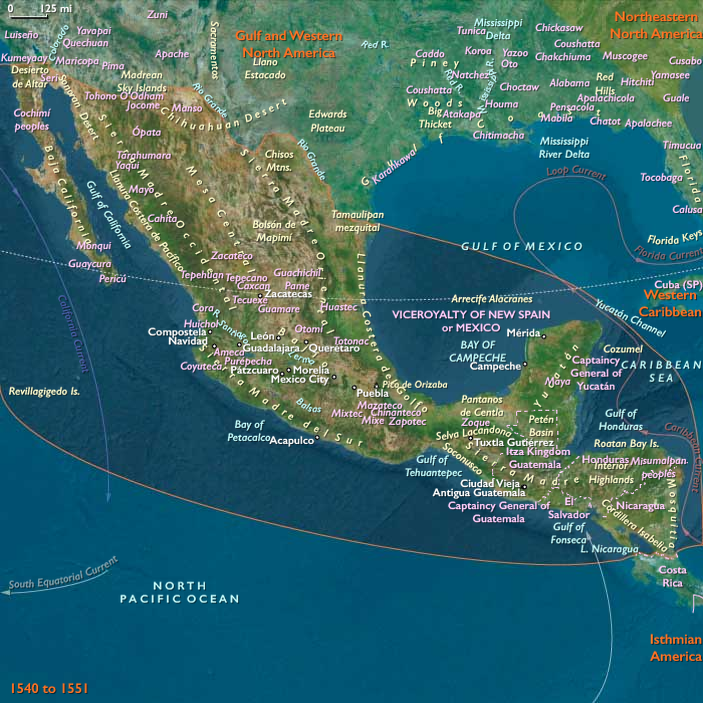
Years: 1540 - 1551
People
Groups
- Christians, Roman Catholic
- Santo Domingo, Captaincy General of
- Spain, Habsburg Kingdom of
- Cuba (Spanish Colony)
- Guatemala, (Spanish Colony)
- Habsburg Monarchy, or Empire
- Nueva Galicia or El Nuevo Reino de Galicia (The New Kingdom of Galicia)
- New Spain, Viceroyalty of
- Panama, Royal Audencia of
Topics
Commodoties
Subjects
Regions
- Southeast Europe
- Central Europe
- West Europe
- North Europe
- Northeastern Eurasia
- Southwest Europe
- West Indies
- South America
- Middle America
Subregions
- East Europe
- Northeast Europe
- East Central Europe
- Eastern Southeast Europe
- Western Southeast Europe
- South Central Europe
- Mediterranean West Europe
- Mediterranean Southwest Europe
- Atlantic Southwest Europe
- Atlantic West Europe
- West Central Europe
- Northwest Europe
- Northern West Indies
- Eastern West Indies
- South America Major
- Southern North America