
The Invasion of Gaul: A New Wave …
Years: 406 - 406
May
The Invasion of Gaul: A New Wave of Destruction
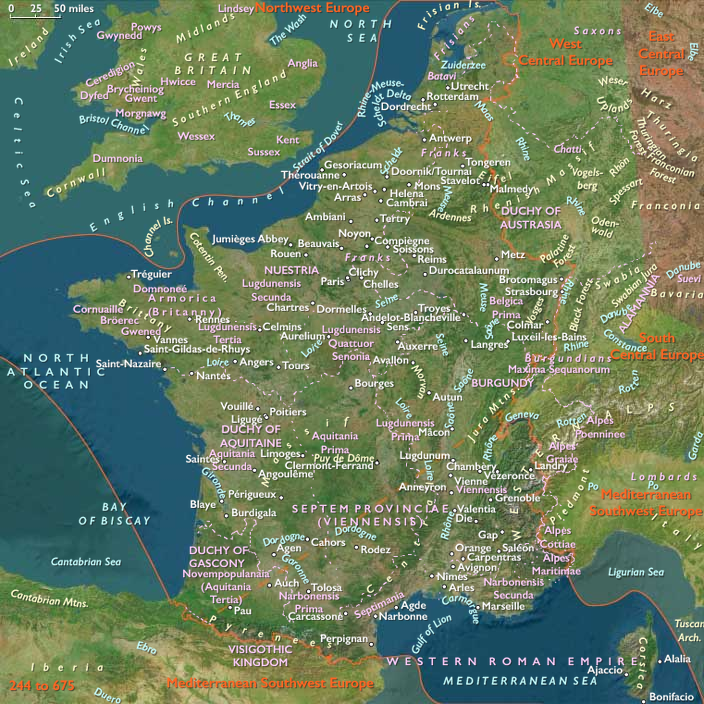
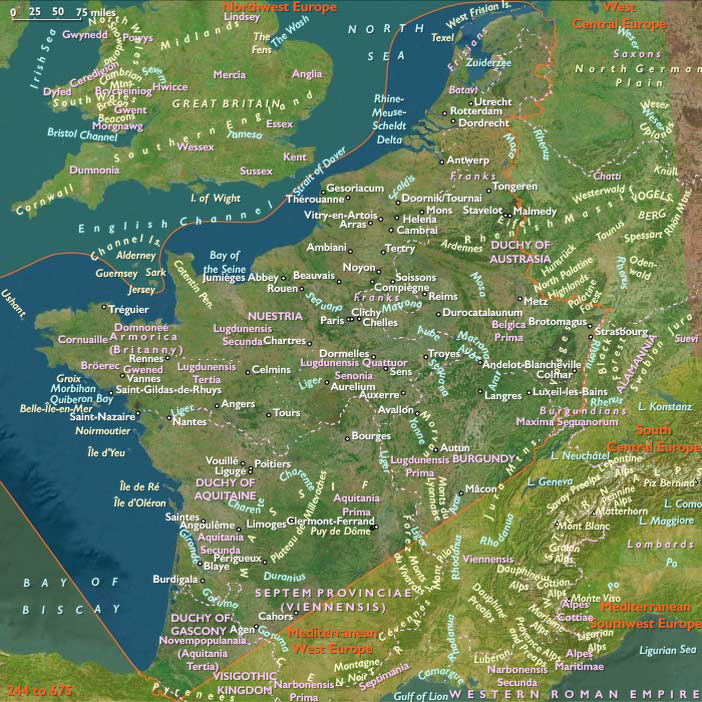
The Vandals, Suebi, and Alani, having crossed the Rhine in 406 CE, are quickly followed by a second wave of invaders—the Burgundians and non-federated Alemanni. Unlike the earlier groups, these new arrivals have no prior agreements with Rome and come as unchecked raiders and conquerors, adding to the chaos engulfing Gaul.
As they sweep across Roman territory, these Germanic groups easily overrun the federated Franks and Alemanni, who had been tasked with defending the empire’s northern frontiers. The Roman border defenses—already strained and reliant on these federate forces—crumble in the face of relentless assaults.
With the imperial legions unable to mount an effective response, Gaul descends into anarchy, its cities and countryside devastated by raiders and settlers alike. This breakdown of Roman authority further accelerates the decline of the Western Roman Empire, leaving vast territories beyond effective imperial control.
People
Groups
- Franks
- Hasdingi
- Vandals (East Germanic tribe)
- Suebi (Germanic tribe)
- Silingi (East Germanic tribe)
- Goths (East Germanic tribe)
- Burgundians (East Germanic tribe)
- Alamanni (Germanic tribal alliance)
- Gaul, Diocese of
- Alani, Realms of the
- Roman Empire: Theodosian dynasty (Constantinople)
- Visigoths, Realm of the
- Roman Empire, Western (Milan)
- Gaul, Praetorian prefecture of
Topics
- Middle Subatlantic Period
- Late Antiquity
- Migration Period
- Fall of the Western Roman Empire
- Vandal Raids on the Roman Empire
Commodoties
Subjects
Regions
Subregions
Years: 406 - 406
May
People
Groups
- Franks
- Hasdingi
- Vandals (East Germanic tribe)
- Suebi (Germanic tribe)
- Silingi (East Germanic tribe)
- Goths (East Germanic tribe)
- Burgundians (East Germanic tribe)
- Alamanni (Germanic tribal alliance)
- Gaul, Diocese of
- Alani, Realms of the
- Roman Empire: Theodosian dynasty (Constantinople)
- Visigoths, Realm of the
- Roman Empire, Western (Milan)
- Gaul, Praetorian prefecture of
Topics
- Middle Subatlantic Period
- Late Antiquity
- Migration Period
- Fall of the Western Roman Empire
- Vandal Raids on the Roman Empire
Commodoties
Subjects
Regions
Subregions