
Modern human culture begins to evolve …
Years: 49293BCE - 28558BCE
Modern human culture begins to evolve at an accelerated pace, marking a significant shift in behavior and innovation.
Some anthropologists, notably Jared Diamond, author of The Third Chimpanzee, describe this period as a "Great Leap Forward." During this time, modern humans adopt new cultural and technological practices, including:
- Burying their dead, often with grave goods, suggesting ritual or symbolic thought,
- Crafting clothing from hides, improving survival in colder climates,
- Developing advanced hunting techniques, such as trapping pits or driving animals off cliffs, and
- Creating cave paintings and other forms of artistic expression.
As human culture advances, different populations begin to introduce novelty into existing technologies. Unlike earlier hominins, modern humans show regional variations in artifacts such as fish hooks, buttons, and bone needles, demonstrating a previously unseen diversity of tools and personal items.
Anthropologists identify several key markers of modern human behavior, including:
- Tool specialization,
- Adornment with jewelry and symbolic imagery (such as cave drawings),
- Organized living spaces,
- Elaborate rituals, including burials with grave gifts,
- Exploration of harsh or previously uninhabited environments, and
- The development of barter trade networks.
Debate continues over whether these advancements were the result of a sudden cognitive "revolution"—sometimes called "the big bang of human consciousness"—or whether they emerged through a more gradual evolutionary process.
Topics
Commodoties
Subjects
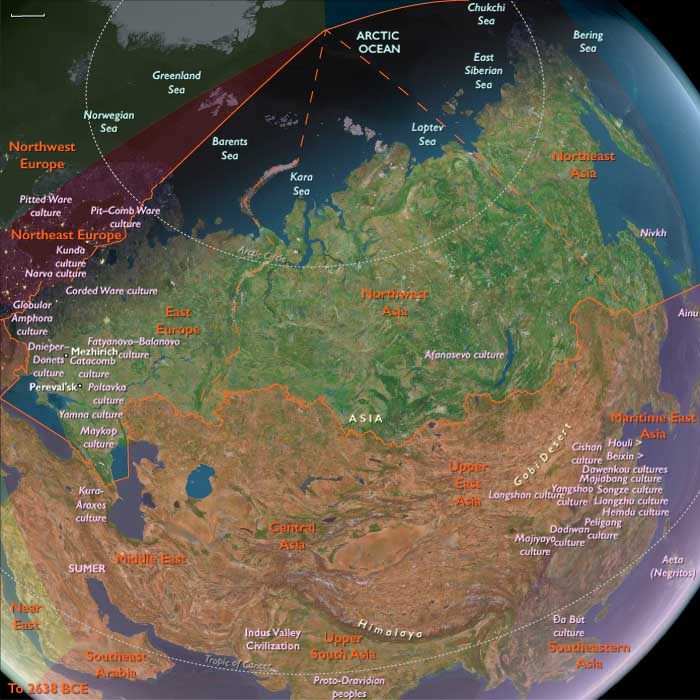
Regions
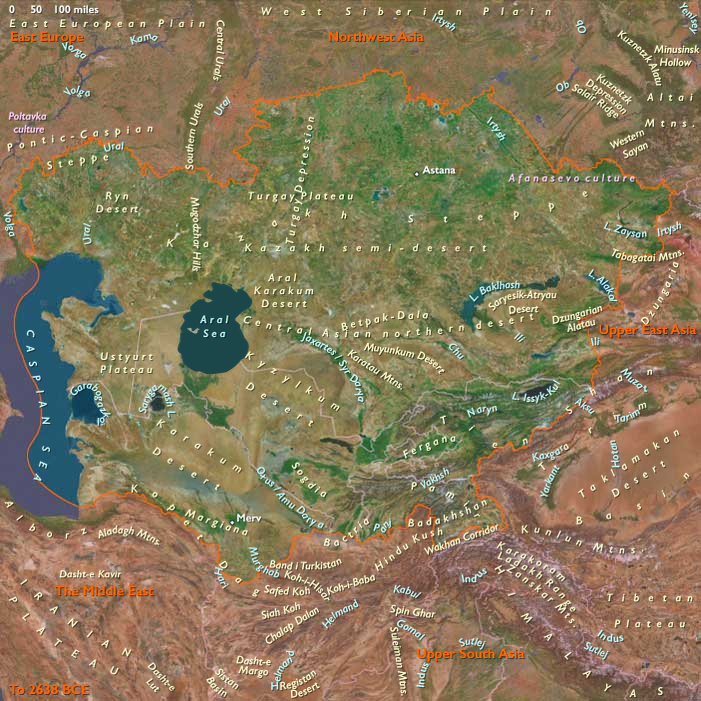
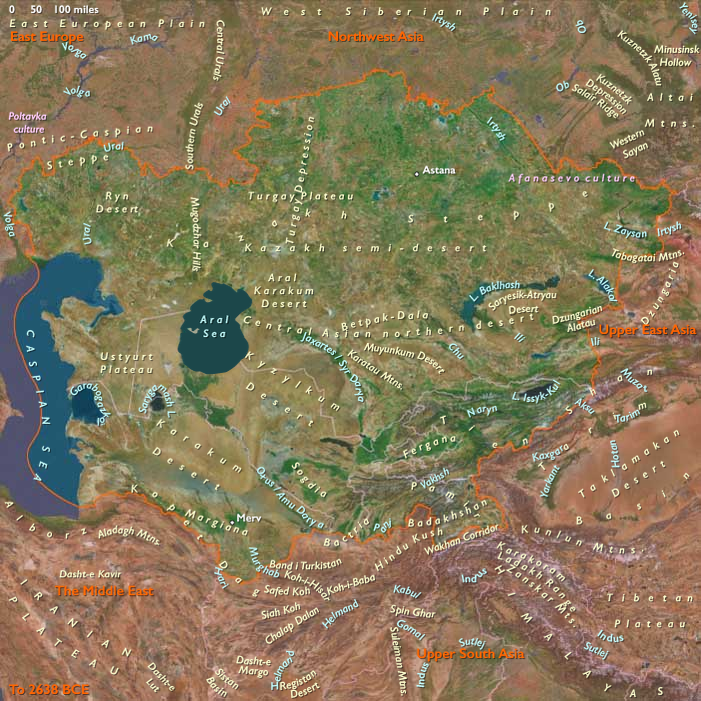
- Central Asia
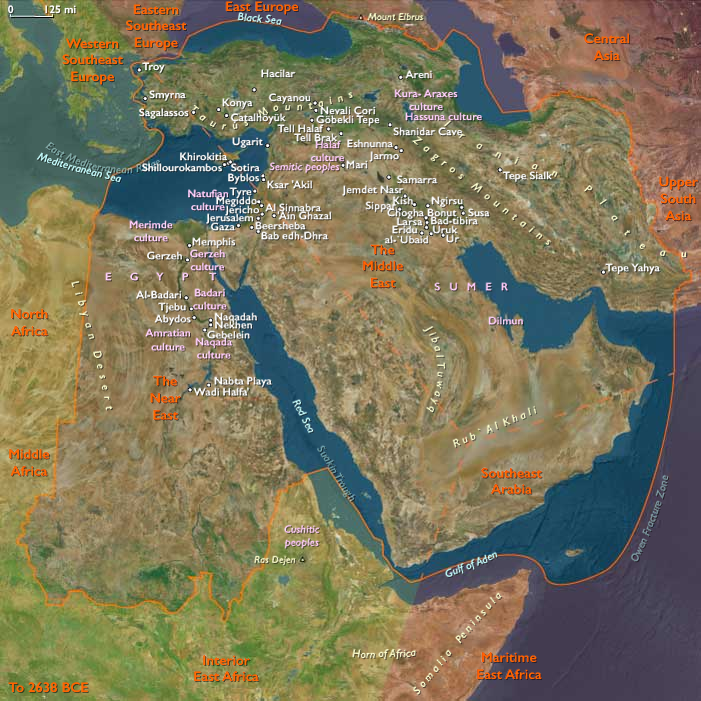
- The Near and Middle East
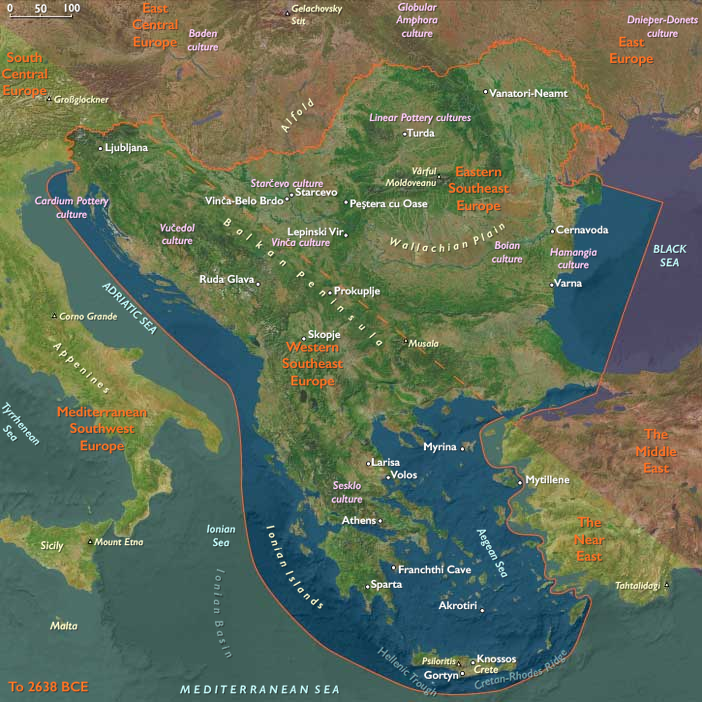
- Southeast Europe
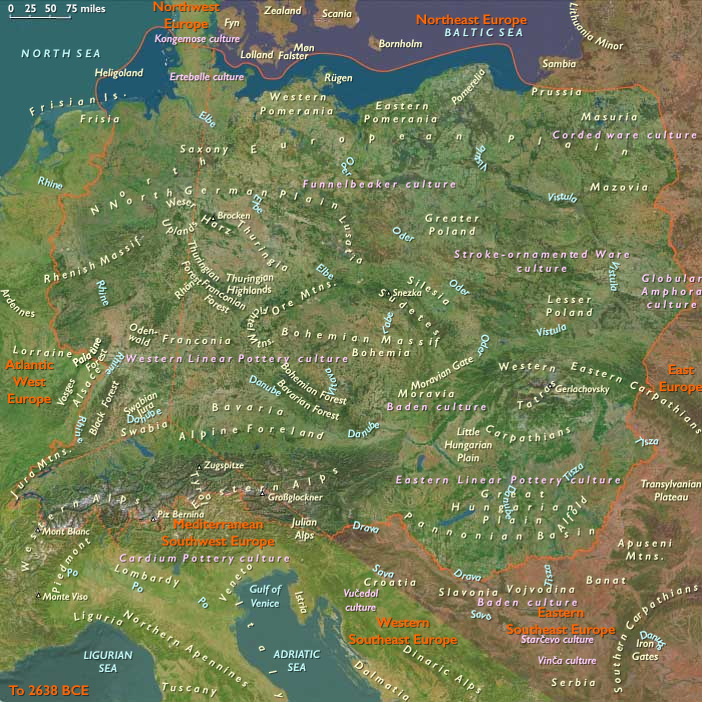
- Central Europe
- Northeastern Eurasia
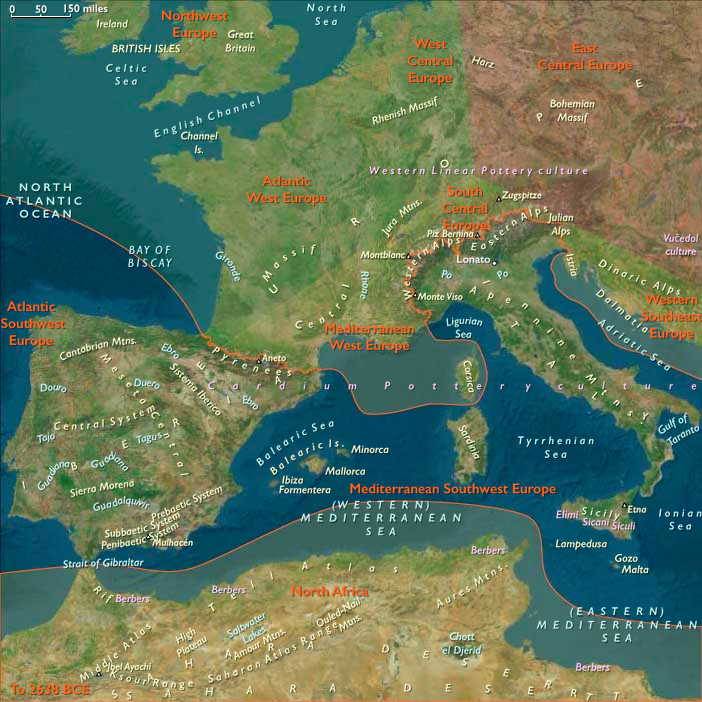
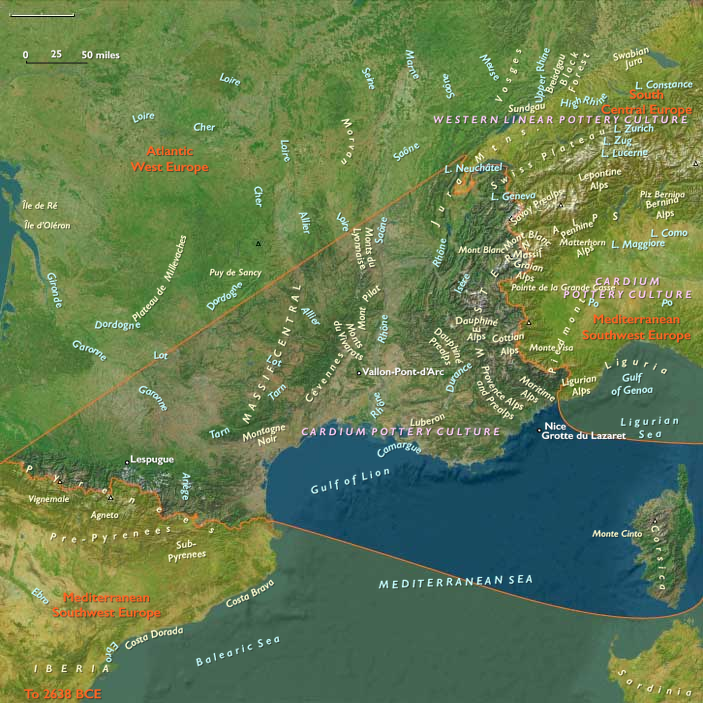
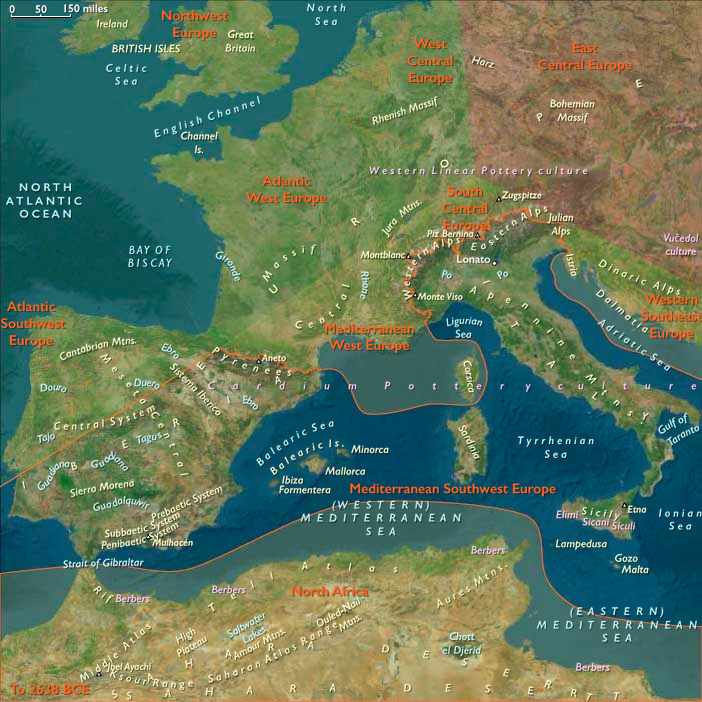
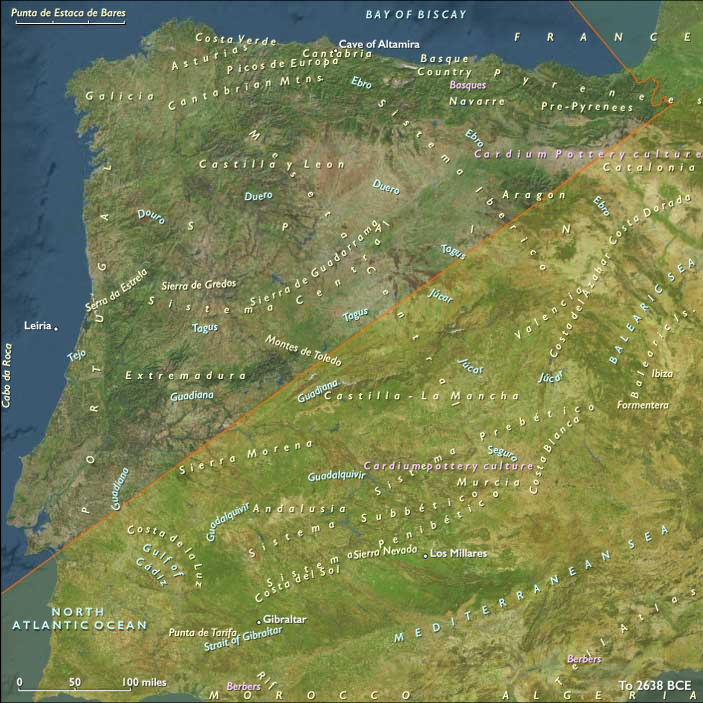
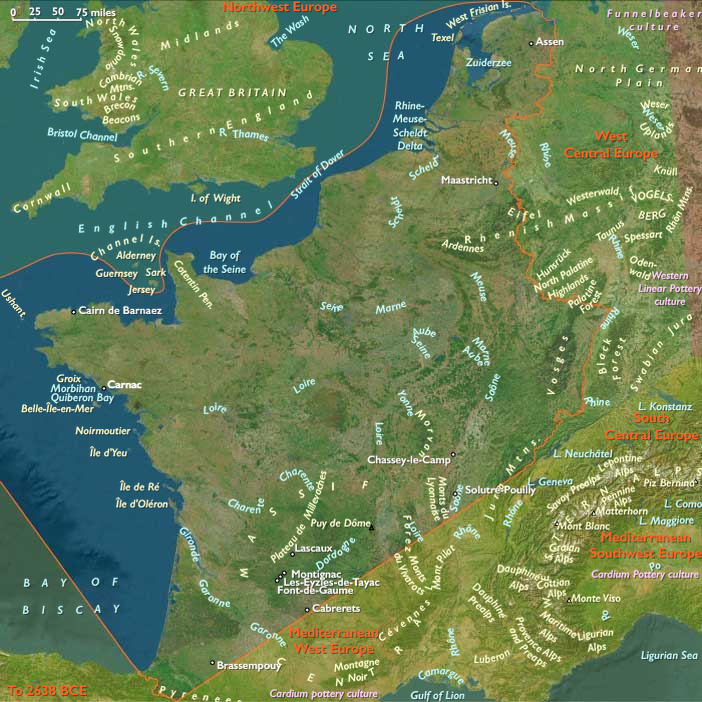
- Southwest Europe
Subregions
- Central Asia
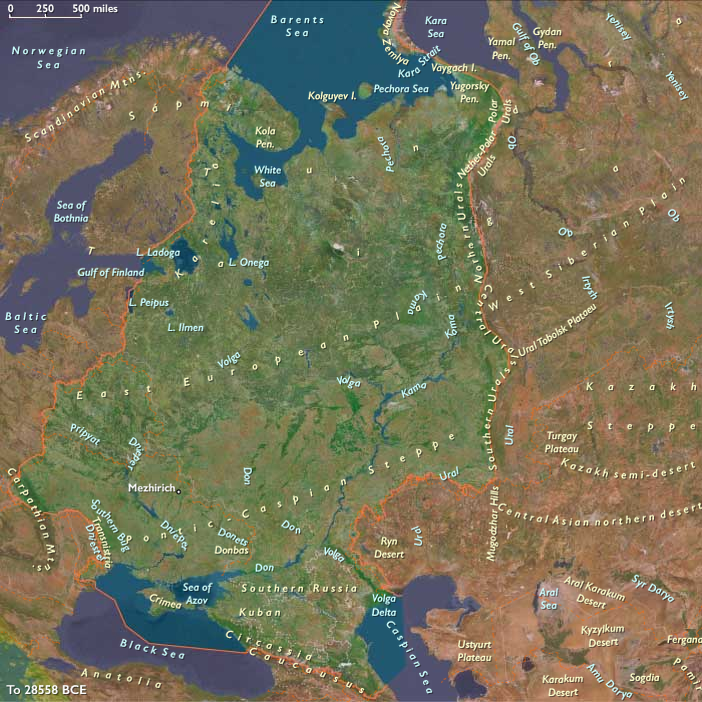
- East Europe
- East Central Europe
- Eastern Southeast Europe
- Middle East
- South Central Europe
- Mediterranean West Europe
- Mediterranean Southwest Europe
- Atlantic Southwest Europe
- Atlantic West Europe
- West Central Europe
Related Events
Showing 10 events out of 69706 total
Years: 49293BCE - 28558BCE
Topics
Commodoties
Subjects
Regions
- Central Asia
- The Near and Middle East
- Southeast Europe
- Central Europe
- Northeastern Eurasia
- Southwest Europe
Subregions
- Central Asia
- East Europe
- East Central Europe
- Eastern Southeast Europe
- Middle East
- South Central Europe
- Mediterranean West Europe
- Mediterranean Southwest Europe
- Atlantic Southwest Europe
- Atlantic West Europe
- West Central Europe