
The Jacquerie Uprising (May–June 1358): A Peasant …
Years: 1358 - 1358
The Jacquerie Uprising (May–June 1358): A Peasant Revolt Against the Nobility
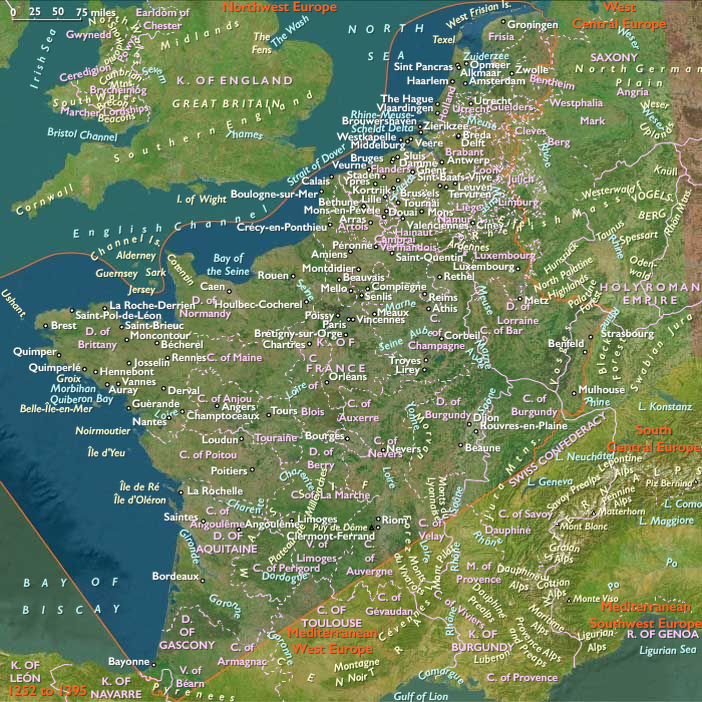
The Jacquerie, a brutal peasant revolt that erupted in May 1358, was fueled by widespread suffering, economic hardship, and resentment toward the nobility following the devastation of the French countryside during the Hundred Years’ War. The rebellion was centered in northern France, with peasants taking violent revenge on knights, noble families, and their castles.
Origins of the Jacquerie: Discontent in the Countryside
- The uprising began in the village of St. Leu, near the Oise River, where a group of peasants gathered in a cemetery after vespers to discuss their grievances.
- The peasants, outraged by the nobility’s failure to defend France, believed that the lords had abandoned King John II at the Battle of Poitiers (1356), leaving the kingdom leaderless and vulnerable.
- France’s rural population had already suffered immensely:
- English soldiers plundered the countryside, demanding money and food on pain of death.
- French nobles imposed excessive taxes, claiming they needed money for ransoms and to recover losses from the Black Death.
- Peasants were forced to sleep in forests, caves, and marshes to avoid pillaging armies and roaming mercenaries (routiers).
- Even basic agricultural work was impossible without sentinels watching for attacks.
The Outbreak of Revolt: Guillaume Cale’s Leadership
- On May 21, 1358, the rebellion spread near Compiègne, northeast of Paris, under the leadership of Guillaume Cale (also called Carle).
- The revolt was known as the Jacquerie, named after the derogatory term "Jacques Bonhomme" used by nobles to refer to peasants.
- The rebels sought justice and vengeance, launching a wave of destruction against noble estates.
- Castles were stormed, burned, and looted, and the nobility were killed without mercy.
The Extreme Violence of the Jacquerie
Contemporary chroniclers describe atrocities committed by the peasants, often in gruesome detail.
-
Jean le Bel recounts one of the most infamous acts:
- Peasants captured a knight, roasted him alive on a spit, and forced his wife and children to watch.
- After raping the lady, they attempted to force her and her children to eat the roasted flesh of her husband before killing them all.
-
Even Jean de Venette, who was generally sympathetic to the peasants, recorded horrific scenes of slaughter and destruction.
-
Jean Froissart, an aristocrat who despised the peasants, portrayed them as savages, recounting numerous acts of mass murder, rape, and looting.
-
The only chronicler openly sympathetic to the peasants was the anonymous monk who continued the chronicle of Guillaume de Nangis, recognizing the deep suffering that had fueled the uprising.
Impact of the Revolt
- The Jacquerie’s brutal violence horrified the nobility, leading to harsh reprisals against the surviving rebels.
- Though the revolt was eventually crushed within weeks, it revealed the depth of peasant resentment toward the feudal system and noble exploitation.
- The uprising, though short-lived, left a lasting impression on France, foreshadowing future peasant rebellions and further destabilizing the already fragile French monarchy.
The Jacquerie of 1358 was not just a violent peasant uprising—it was an explosive reaction to years of suffering, injustice, and noble indifference, marking a turning point in medieval social unrest.
Locations
People
Groups
- Navarre, Kingdom of
- Normandy, Duchy of
- Christians, Roman Catholic
- England, (Plantagenet, Angevin) Kingdom of
- France, (Valois) Kingdom of
Topics
Commodoties
Subjects
Regions

Subregions
Years: 1358 - 1358
Locations
People
Groups
- Navarre, Kingdom of
- Normandy, Duchy of
- Christians, Roman Catholic
- England, (Plantagenet, Angevin) Kingdom of
- France, (Valois) Kingdom of
Topics
Commodoties
Subjects
Regions
Subregions