
The Mesolithic (Greek: mesos "middle," lithos "stone") …
Years: 28557BCE - 7822BCE
The Mesolithic (Greek: mesos "middle," lithos "stone") is an archaeological concept used to refer to specific groups of archaeological cultures defined as falling between the Paleolithic and the Neolithic.
The term developed as a catchall to refer to material that did not fit into the other categories of prehistory and after the development of radiocarbon dating the arbitrary nature of its definition has become apparent.
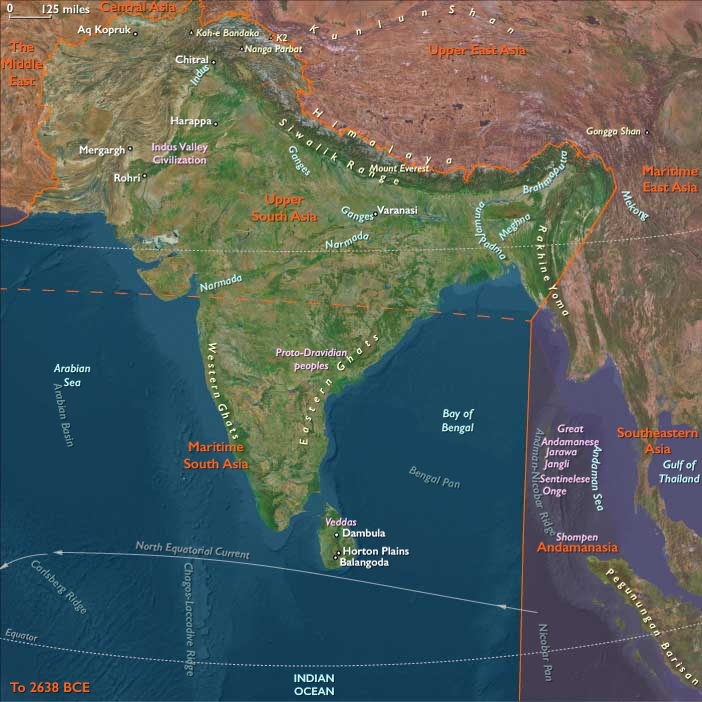
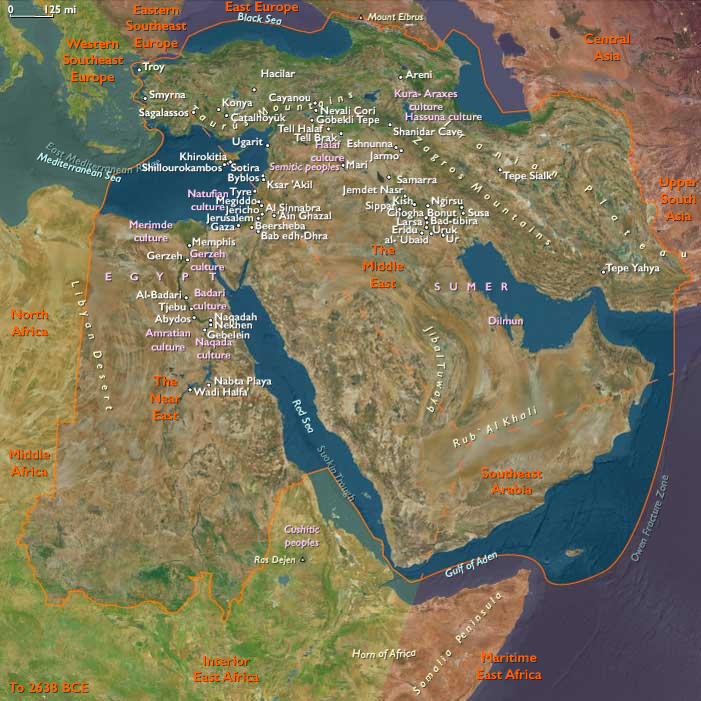
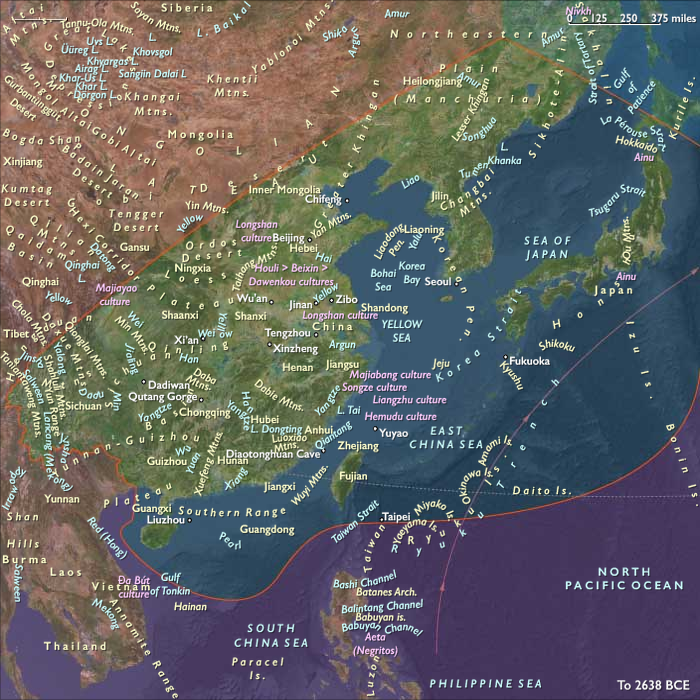
The term was first used to refer to post-Holocene but pre-agricultural material in northwest Europe about 10,000 to 5000 BCE but is also applied to material from the Levant (about 20,000 to 9500 BCE); in Japan, the Jomon period (about 14,000 to 400 BCE) is sometimes called Mesolithic and it is also applied to some cultures from the Indian subcontinent.
The term "Epipaleolithic," often used for areas outside northern Europe, was also the preferred synonym used by French archaeologists until the 1960s.
Groups
Topics
- Paleolithic
- The Upper Paleolithic
- Japan, Incipient Jomon period
- Late Glacial Maximum
- Younger Dryas
- Neolithic Revolution
- Preboreal Period
- Boreal Period
Subjects
Regions
Subregions
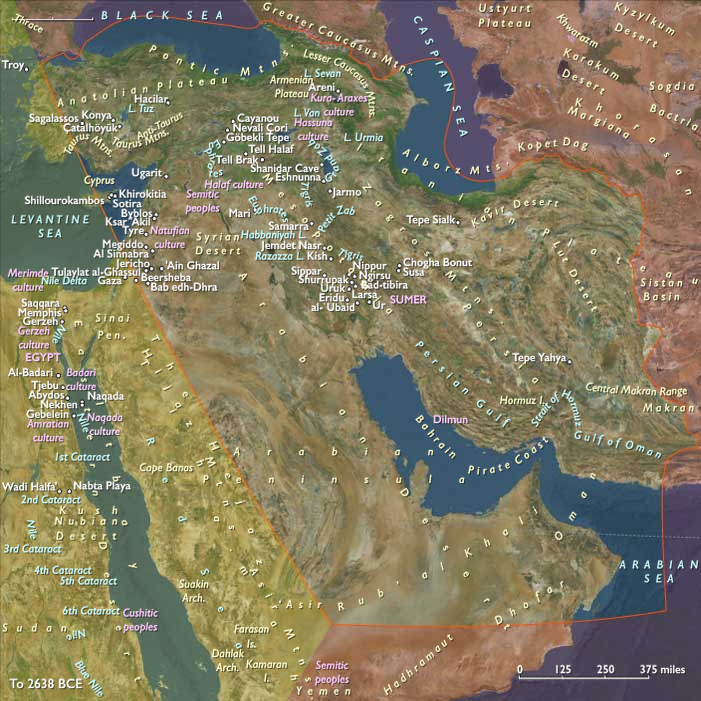
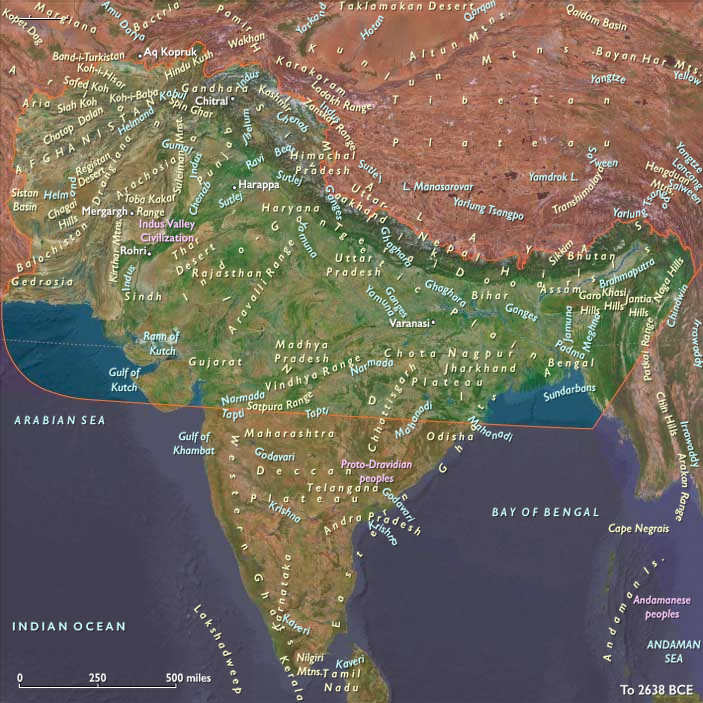
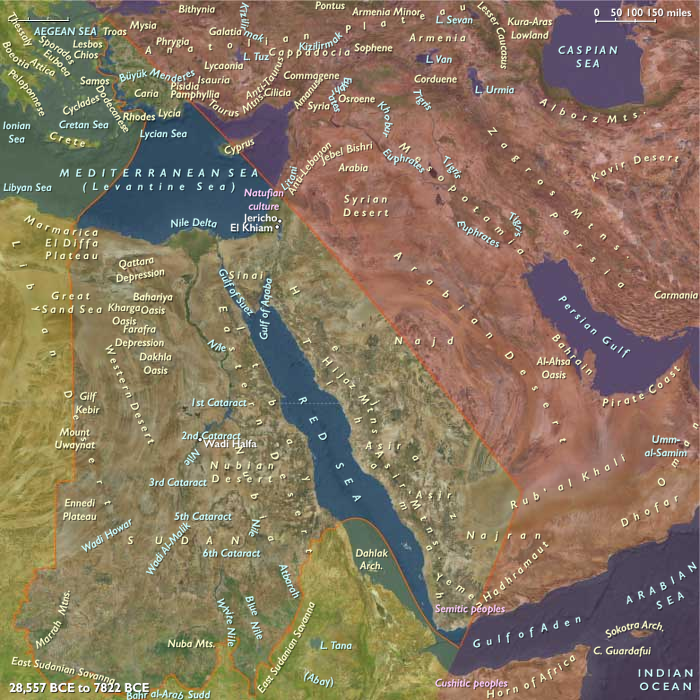
Years: 28557BCE - 7822BCE
Groups
Topics
- Paleolithic
- The Upper Paleolithic
- Japan, Incipient Jomon period
- Late Glacial Maximum
- Younger Dryas
- Neolithic Revolution
- Preboreal Period
- Boreal Period
Subjects
Regions
Subregions