
The turmoil of these past several years …
Years: 1095 - 1095
March
The turmoil of these past several years has disrupted normal political life and made the pilgrimage to Jerusalem, finally captured by the Seljuqs in 1071, difficult and often impossible.
Stories of dangers and molestation reach the West and remain in the popular mind even after conditions have improved.
Further, informed authorities begin to realize that the revived power of the Muslim world now seriously menaces the West as well as East.
It is this realization that stimulates official and organized action.
By the time Alexios had ascended the throne in Constantinople, the Seljuqs had taken most of Asia Minor.
Alexios has been able to secure much of the coastal regions by sending peasant soldiers to raid the Seljuq camps, but these victories have been unable to stop the Turks altogether.
As early as 1090, Alexios had taken reconciliatory measures towards the Papacy, with the intention of seeking western support against the Seljuqs.
In March 1095, his ambassadors appear before Pope Urban II at the Council of Piacenza.
The Eastern Emperor’s appeal appeal for Western aid comes at a time when relations between the Eastern and Western branches of the Christian world are improving.
Difficulties between the two in the middle years of the century had resulted in a de facto, though not formally proclaimed, schism, and ecclesiastical disagreements had been accentuated by Norman occupation of formerly imperial areas in southern Italy.
Robert Guiscard's campaign against the Greek mainland has further embittered the imperial Greeks of Constantinople, and it is only after his death that conditions for a renewal of normal relations between East and West became reasonably favorable.
Envoys of the emperor thus arrive at the Council of Piacenza in 1095 at a propitious moment; and it seems probable that Pope Urban II views military aid as a means toward restoring ecclesiastical unity.
The Pope is impressed by Alexios's appeal for help, which speaks of the suffering of the Christians of the east and hints at a possible union of the eastern and western churches.
Pope Urban was concerned with increasing restlessness of the martial nobility in Western Europe, who, currently deprived of major enemies, are causing chaos throughout the countryside.
Alexios's appeal offers a means not only to redirect the energy of the knights to benefit the Church, but also to consolidate the authority of the Pope over all Christendom and to gain the east for the See of Rome.
Conrad attends the Council of Piacenza and confirms his stepmother Eupraxia's accusations that Henry IV is a member of a Nicolaitan sect, participates in orgies, and had offered Eupraxia to Conrad, stating that this was the reason for his turning against his father.
Locations
People
- Alexios I Komnenos
- Antipope Clement III
- Boniface del Vasto
- Conrad II of Italy
- Eupraxia of Kiev
- Henry IV, Holy Roman Emperor
- Pope Urban II
- Welf II
Groups
- Arab people
- Berber people (also called Amazigh people or Imazighen, "free men", singular Amazigh)
- Jews
- Lombards (West Germanic tribe)
- Saxons
- Christians, Armenian Apostolic Orthodox
- Christians, Miaphysite (Oriental Orthodox)
- Coptic Orthodox Church of Alexandria
- Greeks, Medieval (Byzantines)
- Islam
- Muslims, Sunni
- Syrian people
- Saxony, Duchy of
- Tuscany, Margravate of
- Normans
- German, or Ottonian (Roman) Empire
- Italy, Kingdom of (Holy Roman Empire)
- Turkmen people
- Fatimid Caliphate
- Pataria
- Seljuq Empire (Isfahan)
- Christians, Roman Catholic
- Christians, Eastern Orthodox
- Bavaria, Welf Duchy of
- Roman Empire, Eastern: Komnenos dynasty, restored
Topics
Commodoties
Subjects
Regions
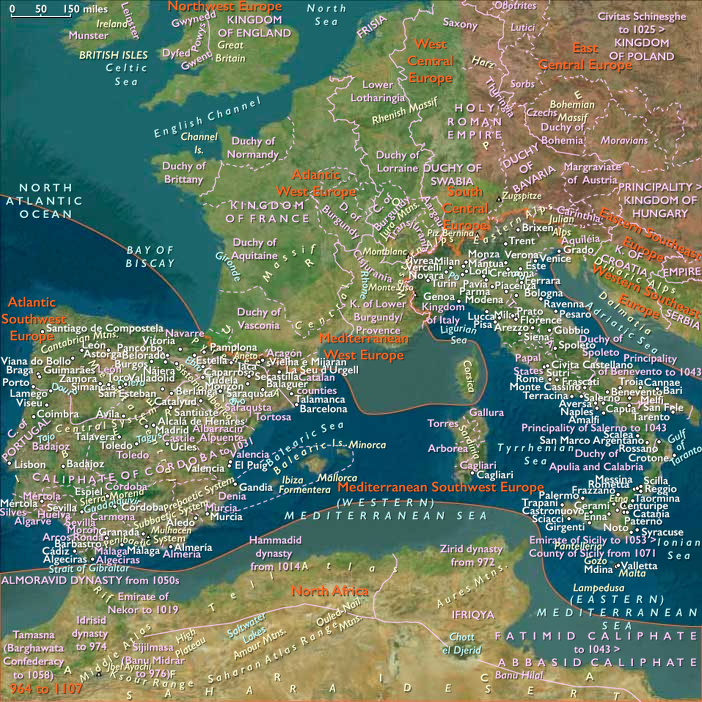
Subregions
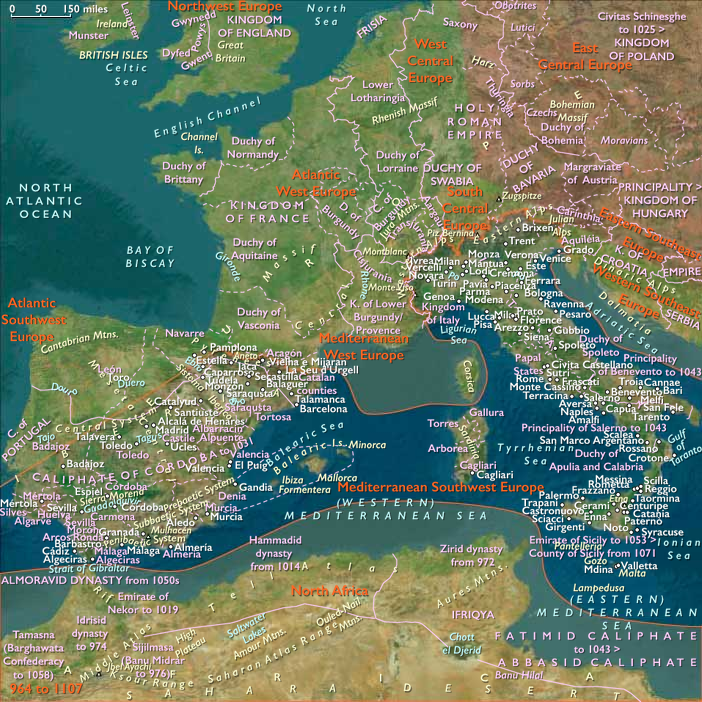
Years: 1095 - 1095
March
Locations
People
- Alexios I Komnenos
- Antipope Clement III
- Boniface del Vasto
- Conrad II of Italy
- Eupraxia of Kiev
- Henry IV, Holy Roman Emperor
- Pope Urban II
- Welf II
Groups
- Arab people
- Berber people (also called Amazigh people or Imazighen, "free men", singular Amazigh)
- Jews
- Lombards (West Germanic tribe)
- Saxons
- Christians, Armenian Apostolic Orthodox
- Christians, Miaphysite (Oriental Orthodox)
- Coptic Orthodox Church of Alexandria
- Greeks, Medieval (Byzantines)
- Islam
- Muslims, Sunni
- Syrian people
- Saxony, Duchy of
- Tuscany, Margravate of
- Normans
- German, or Ottonian (Roman) Empire
- Italy, Kingdom of (Holy Roman Empire)
- Turkmen people
- Fatimid Caliphate
- Pataria
- Seljuq Empire (Isfahan)
- Christians, Roman Catholic
- Christians, Eastern Orthodox
- Bavaria, Welf Duchy of
- Roman Empire, Eastern: Komnenos dynasty, restored
Topics
Commodoties
Subjects
Regions
Subregions