
The trials of the thirty-six conversos have …
Years: 1691 - 1691
The trials of the thirty-six conversos have lasted three years and the cohesion of the group has been weakened by a strict regime of isolation, which has prevented any joint action, together with a perception of religious defeat due to the impossibility of escape.
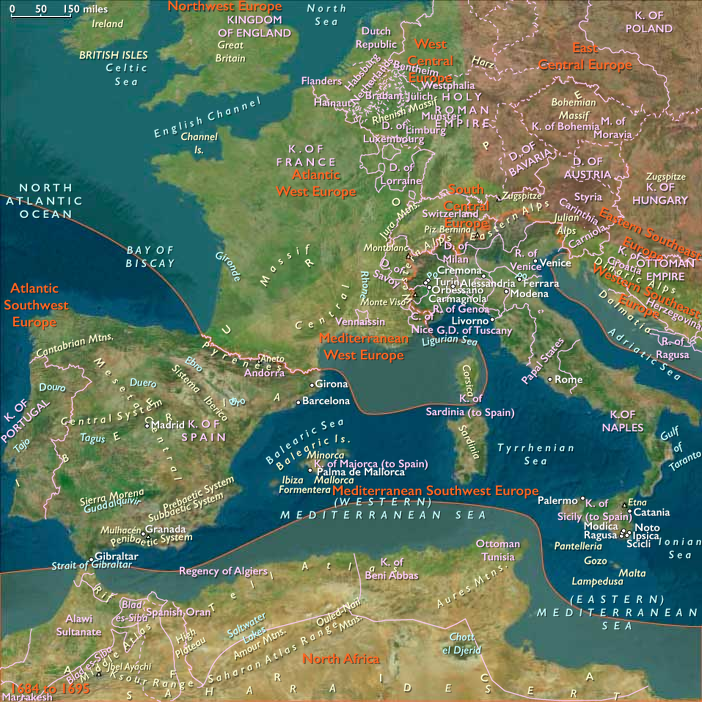
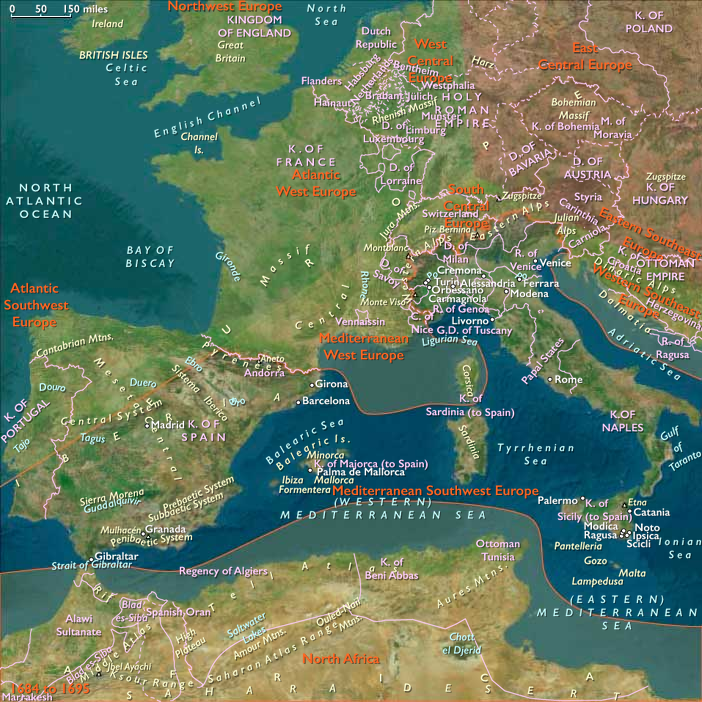
The four autos-da-fé of 1691 are the bloodiest in the history of the Inquisition on Majorca.
The Inquisition condemns seventy-three people, of whom forty-five are turned over to the civil authorities to be burnt, five burnt in effigy; three already deceased have their bones burned, thirty-seven are effectively punished.
Most of the convicted had elected to affirm their Christian faith and thus are punished with a relatively “mild” execution—decapitated before being burned at the stake but three—Rafel Valls and the brothers Rafel Benet and Caterina Tarongí—refuse to deny their Jewish faith and are burned alive.
Thirty thousand people attend.
With the trials of 1691 come the end of the Crypto-Jewry of Majorca, the effect of the escape of the leaders, the devastation of the mass burnings, and the generalized fear having made it impossible to sustain the ancestral faith.
It is after these events, we can begin to actually speak of the Xuetes, or Chuetas (“lard” in the local language).
To publicly humiliate the condemned Jews, the Sanbenitos are hung out with the names of the condemned persons in the monastery of San Domingo, which effectively stigmatizes these families and relegates them to a lower class within society.
These families are ostracized to the point that they only can marry within their own group, a situation that is to continue until modern times.
The fifteen surnames of the Chuetas are Aguiló, Bonín, Cortès, Forteza, Fuster, Martí, Miró, Picó, Pinya, Pomar, Segura, Tarongí, Valentí, Valleriola and Valls.
At the end of the eighteenth century, the Chuetas will finally be liberated from nearly all legal sanctions, but they doubtless continued to suffer social isolation and discrimination, maintaining an intermarriage rate of only about five percent.
The sentences dictated by the Inquisition included other penalties that were to be maintained for at least two generations: those in the household of the condemned, as well as their children and grandchildren, could not hold public offices, be ordained as priests, marry persons other than Xuetes, carry jewelry or ride a horse.
These last two penalties do not appear to have been carried out, although the others are to continue in effect by the force of custom, beyond the two generations stipulated.
Locations
Groups
- Jews
- Papal States (Republic of St. Peter)
- Christians, Roman Catholic
- Inquisition, Spanish
- Spain, Habsburg Kingdom of
Topics
Commodoties
Subjects
Regions
Subregions
Years: 1691 - 1691
Locations
Groups
- Jews
- Papal States (Republic of St. Peter)
- Christians, Roman Catholic
- Inquisition, Spanish
- Spain, Habsburg Kingdom of
Topics
Commodoties
Subjects
Regions
Subregions