
Tacky (Akan spelling: Takyi), the eponymous leader …
Years: 1760 - 1760
Tacky (Akan spelling: Takyi), the eponymous leader of the 1760 rebellion in Jamaica, originally from the Fante ethnic group in West Africa, had been a paramount chief in Fante land (in the Central region of present-day Ghana) before being enslaved.
He, along with the Asante Queen Nanny or Nana, both plan to take over Jamaica from the British to be a separate Black country, but for themselves and not as allies.
Before being a slave, he had been a king of his village.
He himself recalled selling his rivals of the Ashanti, Nzema and Ahanta; other Akan states, off into slavery as spoils of war to the British, but ironically, he had become enslaved himself when a rival state defeated his army in battle and sold him off to Jamaica as well.
According to J.A. Jones, who claimed to have met him while being held captive by Tacky while trying to get an interview with him, in his memoirs he wrote that Tacky spoke very fluent English (which is indeed common for the ruling class of Fantes at this time).
Also according to Jones, he was discovered in a cave a year before the rebellion took place, planning with his comrades: Quaw(twi Yaw), Sang, Sobadou(twi Sobadu), Fula Jati and Quantee(twi Kwarteng). all except Fula Jati being of Akan descent.
Sometime before daybreak on a Monday in May, Tacky and his followers began the revolt and easily took over the Frontier and Trinity plantations while killing their masters.
Bolstered by their easy success, they make their way to the storeroom at Fort Haldane where the munitions to defend the town of Port Maria are kept.
After killing the storekeeper, Tacky and his men steal nearly four barrels of gunpowder and forty firearms with shot, before marching on to overrun the plantations at Heywood Hall and Esher
By dawn, hundreds of other slaves hav joined Tacky and his followers.
At Ballard's Valley, the rebels stop to rejoice in their success.
One slave from Esher decides to slip away and sound the alarm.
Obeahmen (Caribbean shamans) quickly circulate around the camp dispensing a powder that they claim will protect the men from injury in battle and loudly proclaim that an Obeahman cannot be killed.
Confidence is high.
Soon there are seventy to eighty mounted militia on their way along with some Maroons from Scott's Hall, who are bound by treaty to suppress such rebellions.
When the militia learn of the Obeahman's boast of not being able to be killed, an Obeahman is captured, killed and hung with his mask, ornaments of teeth and bone and feather trimmings at a prominent place visible from the encampment of rebels.
Many of the rebels, confidence shaken, return to their plantations.
Tacky and twenty-five or so men decide to fight on.
Tacky and his men run through the woods being chased by the Maroons and their legendary marksman, Davy.
While running at full speed, Davy shoots Tacky and cuts off his head as evidence of his feat, for which he will be richly rewarded.
Tacky's head is later displayed on a pole in Spanish Town until a follower takes it down in the middle of the night.
The rest of Tacky's men are found in a cave near Tacky Falls, having committed suicide rather than going back to slavery.
Other rebellions break out all over Jamaica, many of which are rightly or wrongly attributed to Tacky's cunning and strategy.
It will be months until peace is restored.
Over sixty white people lose their lives as well as four hundred or so black slaves, including two ringleaders who are burned alive, and two others who are hung in iron cages at the Kingston Parade, until they starve to death.
Towards the start of the rebellion, it had been discovered that slaves in Kingston had elected a female Ashanti slave named Cubah (a British misnomer of the Akan day name "Akua") the rank of 'Queen of Kingston'.
Cubah (Akua) sat in state under a canopy at their meetings, wearing a robe and a crown.
It is unknown whether there was any direct communication between Cubah's people and Tacky's but when discovered, she had been ordered to be transported from the island for conspiracy to rebel.
While at sea, she had bribed the captain of the ship to put her ashore in western Jamaica where she had joined the leeward rebels and remained at large for months.
On being recaptured, she is executed.
He, along with the Asante Queen Nanny or Nana, both plan to take over Jamaica from the British to be a separate Black country, but for themselves and not as allies.
Before being a slave, he had been a king of his village.
He himself recalled selling his rivals of the Ashanti, Nzema and Ahanta; other Akan states, off into slavery as spoils of war to the British, but ironically, he had become enslaved himself when a rival state defeated his army in battle and sold him off to Jamaica as well.
According to J.A. Jones, who claimed to have met him while being held captive by Tacky while trying to get an interview with him, in his memoirs he wrote that Tacky spoke very fluent English (which is indeed common for the ruling class of Fantes at this time).
Also according to Jones, he was discovered in a cave a year before the rebellion took place, planning with his comrades: Quaw(twi Yaw), Sang, Sobadou(twi Sobadu), Fula Jati and Quantee(twi Kwarteng). all except Fula Jati being of Akan descent.
Sometime before daybreak on a Monday in May, Tacky and his followers began the revolt and easily took over the Frontier and Trinity plantations while killing their masters.
Bolstered by their easy success, they make their way to the storeroom at Fort Haldane where the munitions to defend the town of Port Maria are kept.
After killing the storekeeper, Tacky and his men steal nearly four barrels of gunpowder and forty firearms with shot, before marching on to overrun the plantations at Heywood Hall and Esher
By dawn, hundreds of other slaves hav joined Tacky and his followers.
At Ballard's Valley, the rebels stop to rejoice in their success.
One slave from Esher decides to slip away and sound the alarm.
Obeahmen (Caribbean shamans) quickly circulate around the camp dispensing a powder that they claim will protect the men from injury in battle and loudly proclaim that an Obeahman cannot be killed.
Confidence is high.
Soon there are seventy to eighty mounted militia on their way along with some Maroons from Scott's Hall, who are bound by treaty to suppress such rebellions.
When the militia learn of the Obeahman's boast of not being able to be killed, an Obeahman is captured, killed and hung with his mask, ornaments of teeth and bone and feather trimmings at a prominent place visible from the encampment of rebels.
Many of the rebels, confidence shaken, return to their plantations.
Tacky and twenty-five or so men decide to fight on.
Tacky and his men run through the woods being chased by the Maroons and their legendary marksman, Davy.
While running at full speed, Davy shoots Tacky and cuts off his head as evidence of his feat, for which he will be richly rewarded.
Tacky's head is later displayed on a pole in Spanish Town until a follower takes it down in the middle of the night.
The rest of Tacky's men are found in a cave near Tacky Falls, having committed suicide rather than going back to slavery.
Other rebellions break out all over Jamaica, many of which are rightly or wrongly attributed to Tacky's cunning and strategy.
It will be months until peace is restored.
Over sixty white people lose their lives as well as four hundred or so black slaves, including two ringleaders who are burned alive, and two others who are hung in iron cages at the Kingston Parade, until they starve to death.
Towards the start of the rebellion, it had been discovered that slaves in Kingston had elected a female Ashanti slave named Cubah (a British misnomer of the Akan day name "Akua") the rank of 'Queen of Kingston'.
Cubah (Akua) sat in state under a canopy at their meetings, wearing a robe and a crown.
It is unknown whether there was any direct communication between Cubah's people and Tacky's but when discovered, she had been ordered to be transported from the island for conspiracy to rebel.
While at sea, she had bribed the captain of the ship to put her ashore in western Jamaica where she had joined the leeward rebels and remained at large for months.
On being recaptured, she is executed.
Locations
Groups
- Akan people
- Fante people
- Ashanti of Kumasi, Kingdom of the
- Fante (Fanti), southern Akan state of
- Jamaica (British Colony)
- Britain, Kingdom of Great
Topics
Commodoties
Subjects
Regions
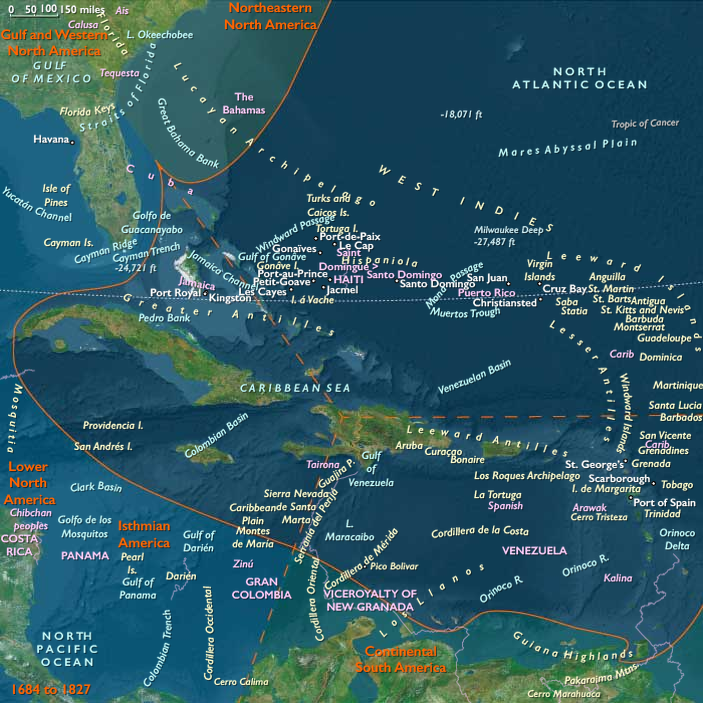
Subregions
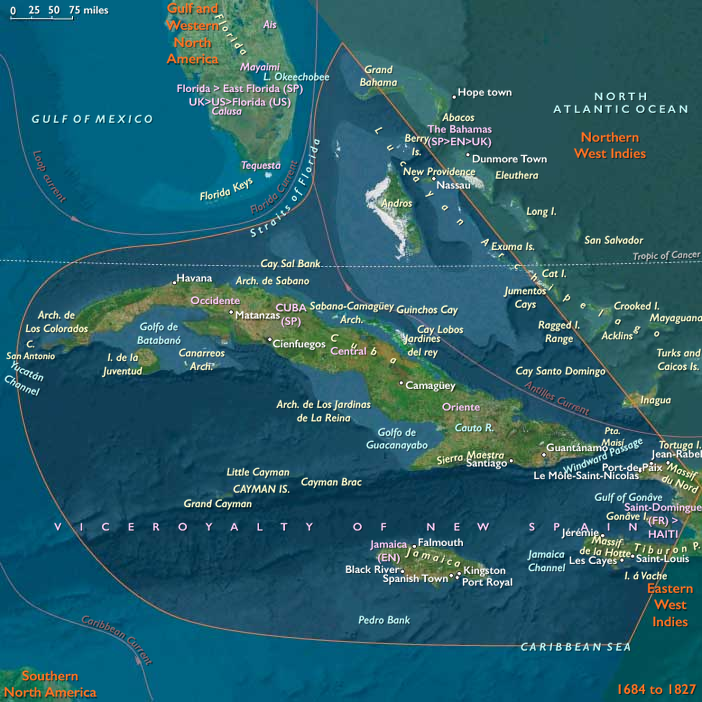
Related Events
Showing 10 events out of 26415 total
Years: 1760 - 1760
Locations
Groups
- Akan people
- Fante people
- Ashanti of Kumasi, Kingdom of the
- Fante (Fanti), southern Akan state of
- Jamaica (British Colony)
- Britain, Kingdom of Great
Topics
Commodoties
Subjects
Regions
Subregions