
The Three Kingdoms period in Chinese history …
Years: 220 - 231
The Three Kingdoms period in Chinese history is part of an era of disunity called the Six Dynasties following immediately the loss of de facto power of the Han Dynasty emperors.
In a strict academic sense, it refers to the period between the foundation of the Wei in 220 and the conquest of the Wu by the Jin Dynasty in 280.
Many scholars extend the starting point of this period back to the uprising of the Yellow Turbans in 184.
The three kingdoms are Wei, Shu, and Wu.
Zhuge Liang's Southern Campaign, also known as the War of Pacification in Nanzhong, is a military campaign led by Shu Han chancellor Zhuge Liang to suppress opposing forces in the South in 225.
The campaign is a response to rebellions started by local governors in the southern region of Nanzhong and intrusions by the Nanman (literally: "southern barbarians").
Zhuge Liang's Northern Expeditions are a series of five military campaigns launched by the state of Shu Han against the rival state of Cao Wei from 228.
People
Groups
- Iranian peoples
- Nanman
- Parthian Empire
- Chinese (Han) people
- Chinese Empire, Tung (Eastern) Han Dynasty
- Roman Empire (Rome): Severan dynasty
- Cao Wei, (Chinese) kingdom of
- Shu Han (minor Han), (Chinese) kingdom of
- Wu, Eastern, (Chinese) kingdom of
- Persian Empire, Sassanid, or Sasanid
Topics
- Han dynasty China
- Zhuge Liang's Southern Campaign
- Zhuge Liang's Northern Expeditions
- Roman-Persian War of 230-33
Commodoties
Subjects
Regions
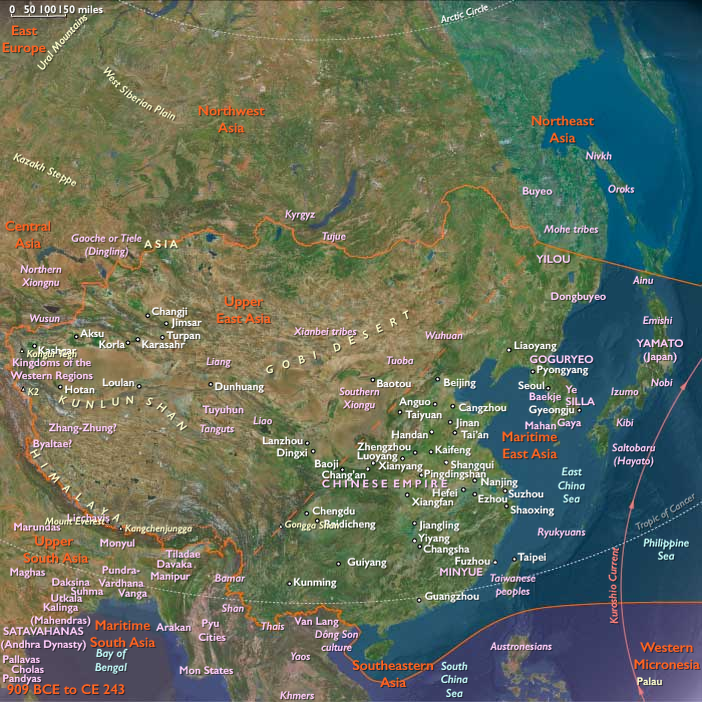
Subregions
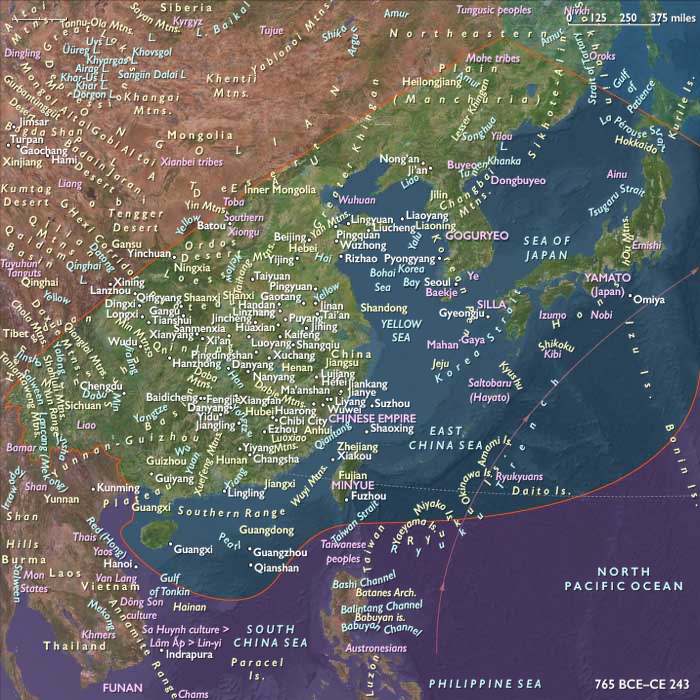
Years: 220 - 231
People
Groups
- Iranian peoples
- Nanman
- Parthian Empire
- Chinese (Han) people
- Chinese Empire, Tung (Eastern) Han Dynasty
- Roman Empire (Rome): Severan dynasty
- Cao Wei, (Chinese) kingdom of
- Shu Han (minor Han), (Chinese) kingdom of
- Wu, Eastern, (Chinese) kingdom of
- Persian Empire, Sassanid, or Sasanid
Topics
- Han dynasty China
- Zhuge Liang's Southern Campaign
- Zhuge Liang's Northern Expeditions
- Roman-Persian War of 230-33
Commodoties
Subjects
Regions
Subregions