
The term Wars of the Roses refers …
Years: 1468 - 1479
The term Wars of the Roses refers to the informal heraldic badges of the two rival houses of Lancaster and York, which had been contending for power, and ultimately for the throne, since the late 1450s.
The Yorkist claimant, Edward, Earl of March, had in 1461 been proclaimed King Edward IV and defeated the supporters of the weak, intermittently insane Lancastrian king Henry VI at the Battle of Towton.
Lancastrian revolts in the far north of England had been defeated in 1464, and the fugitive King Henry had been captured and imprisoned the next year.
His Queen, Margaret of Anjou, and their thirteen-year-old son Edward of Westminster, had been exiled and impoverished in France.
Edward IV's hold on the throne appears temporarily to be secure.
Edward IV owes his victory in large measure to the support of his cousin, the powerful Earl of Warwick, known as the "Kingmaker.” Edward IV has fallen out with Warwick, however, and also alienated many friends and even family members by favoring the family of his queen, Elizabeth Woodville, the daughter of an obscure Lancastrian knight, whom he had married in secret.
Warwick had tried first to supplant Edward with his younger brother George, Duke of Clarence, and then to restore Henry VI to the throne.
This results in two years of rapid changes of fortune, before Edward IV once again wins complete victories at Barnet in April 1471, where Warwick is killed, and Tewkesbury in May of the same year where the Lancastrian heir, Edward, Prince of Wales, is executed after the battle.
Henry is murdered in the Tower of London several days later, ending the direct Lancastrian line of succession.
A period of comparative peace follows.
People
- Edward IV of England
- Edward of Westminster
- Elizabeth Woodville
- George Plantagenet
- Henry VI of England
- Margaret of Anjou
- Richard Neville, 16th Earl of Warwick
- Richard Woodville
Groups
- England, (Plantagenet, Yorkist) Kingdom of
- England, (Plantagenet, Lancastrian) Kingdom of
- England, (Plantagenet, Yorkist) Kingdom of
Topics
Commodoties
Subjects
Regions
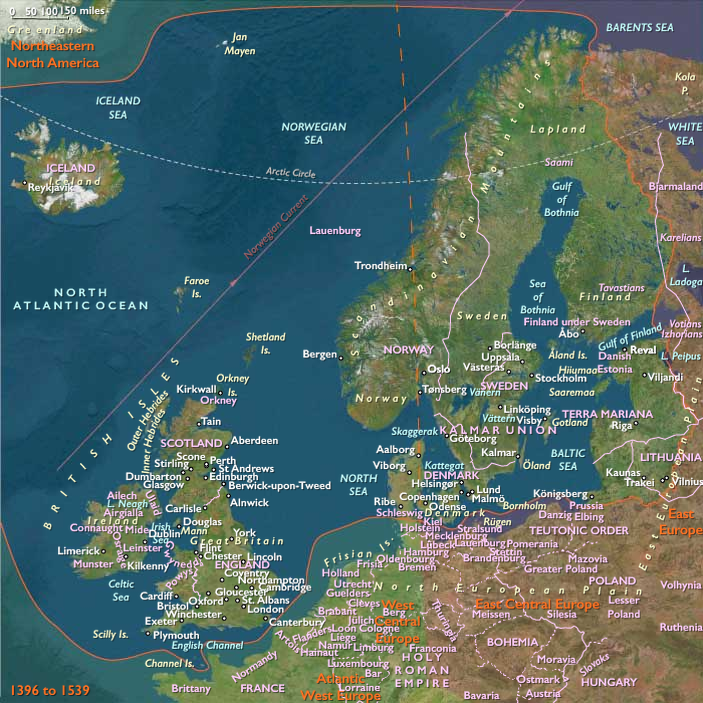
Subregions
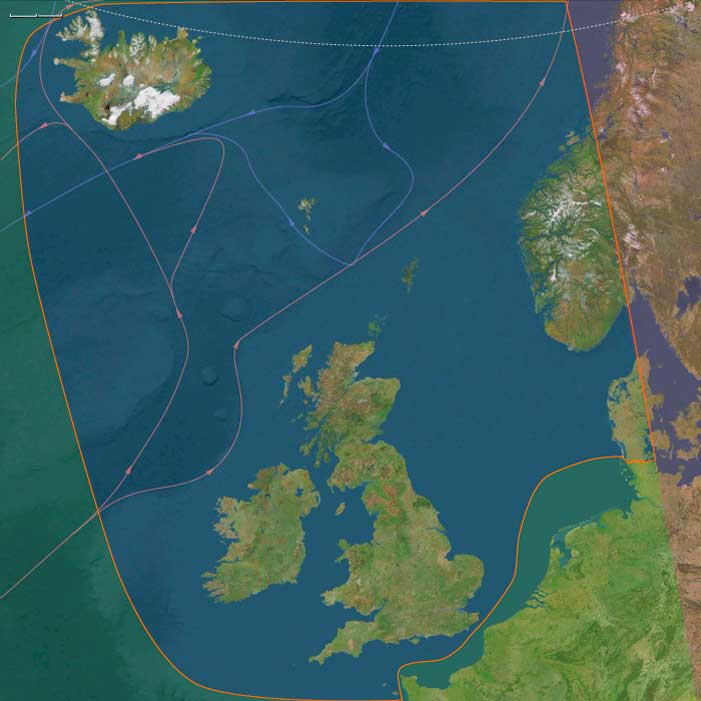
Related Events
Showing 10 events out of 41031 total
Years: 1468 - 1479
People
- Edward IV of England
- Edward of Westminster
- Elizabeth Woodville
- George Plantagenet
- Henry VI of England
- Margaret of Anjou
- Richard Neville, 16th Earl of Warwick
- Richard Woodville
Groups
- England, (Plantagenet, Yorkist) Kingdom of
- England, (Plantagenet, Lancastrian) Kingdom of
- England, (Plantagenet, Yorkist) Kingdom of
Topics
Commodoties
Subjects
Regions
Subregions