
Filters:
The Tauri, probably a fragment of the …
Years: 117BCE - 106BCE
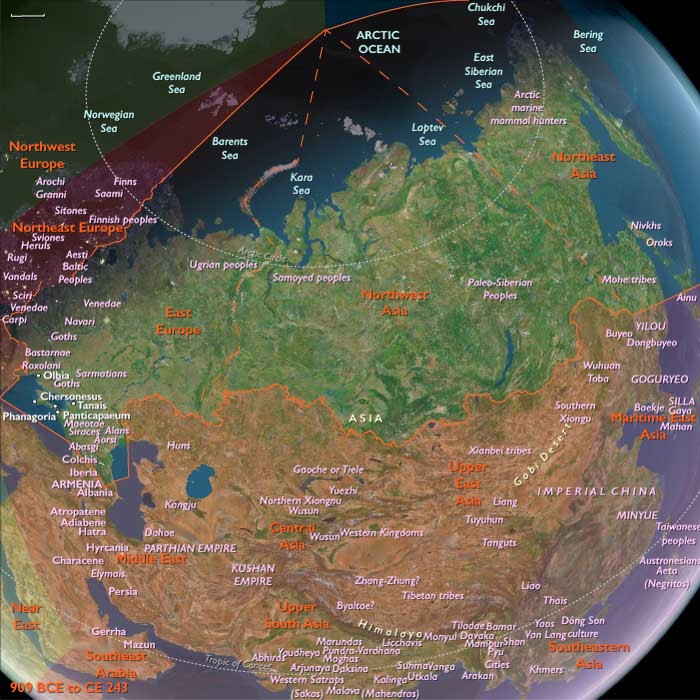
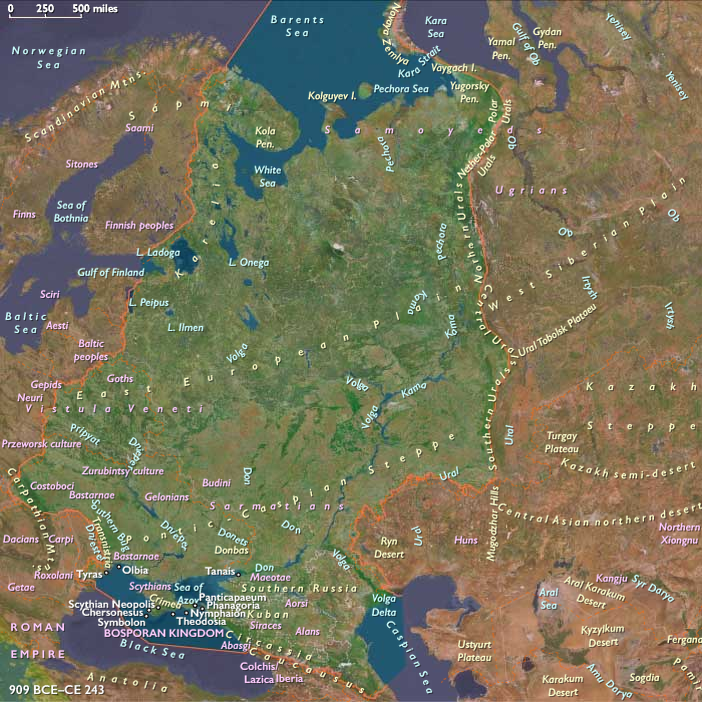
The Tauri, probably a fragment of the Cimmerians, have remained a major threat to Greek power in the northern Black Sea region, although the Crimean coast had eventually come to be dominated by Greek (and subsequently Roman) colonies, notably the one at Chersonesos, Engaged in piracy against ships on the Black Sea, the Tauri mount raids from their base at Symbolon (today's Balaklava).
Locations
Groups
Topics
Commodoties
Subjects
Regions
Subregions
Related Events
Showing 1 events out of 1 total
Years: 117BCE - 106BCE
Locations
Groups
Topics
Commodoties
Subjects
Regions
Subregions