
The Taika Reforms are a set of …
Years: 645 - 645
December
The Taika Reforms are a set of doctrines established by Emperor Kōtoku in the year 645, written shortly after the death of Prince Shōtoku and the defeat of the Soga clan, uniting Japan.
Crown Prince Naka no Ōe (who will later reign as Emperor Tenji), Nakatomi no Kamatari, and Emperor Kōtoku jointly embark on the details of the Reforms.
Emperor Kōtoku then takes the name "Taika", or "Great Reform".
The Reform begins with land reform, based on Confucian ideas and philosophies from China, but the true aim of the reforms is to bring about greater centralization and to enhance the power of the imperial court, which is also based on the governmental structure of China.
Envoys and students are dispatched to China to learn seemingly everything from the Chinese writing system, literature, religion, and architecture, to even dietary habits at this time.
Even today, the impact of the reforms can still be seen in Japanese cultural life.
Kōtoku creates a new city at Naniwa and moves the capital from Yamato Province.
The capital has a sea port, establishing foreign trade and diplomatic relations.
Locations
People
- Emperor Kōtoku
- Emperor Tenji
- Empress Kōgyoku
- Fujiwara no Kamatari
- Prince Yamashiro
- Soga no Emishi
- Soga no Kurayamada no Ishikawa no Maro
Groups
- Buddhism
- Confucianists
- Shinto
- Japanese people
- Japan, Yamato Early Asuka Period
- Chinese Empire, Tang Dynasty
- Japan, Yamato Hakuho (Late Asuka) Period
Topics
Subjects
Regions
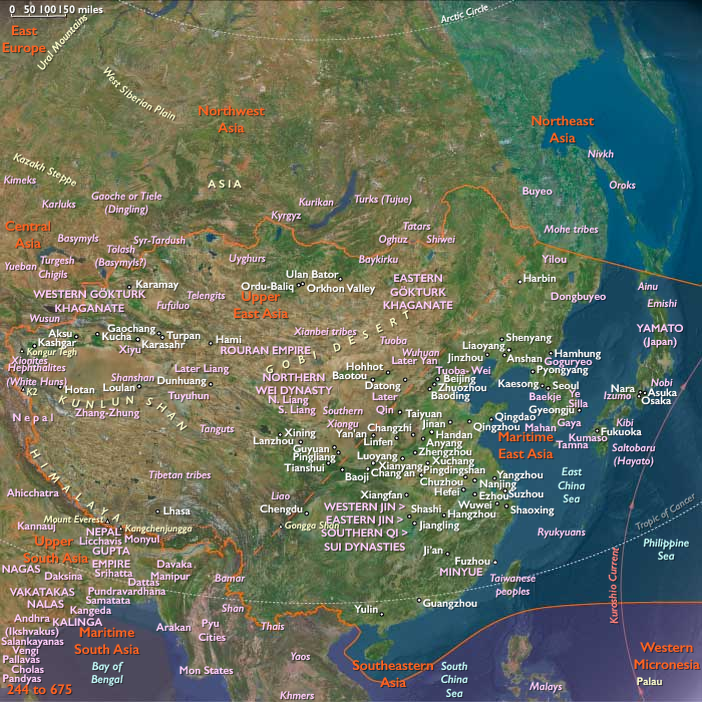
Subregions
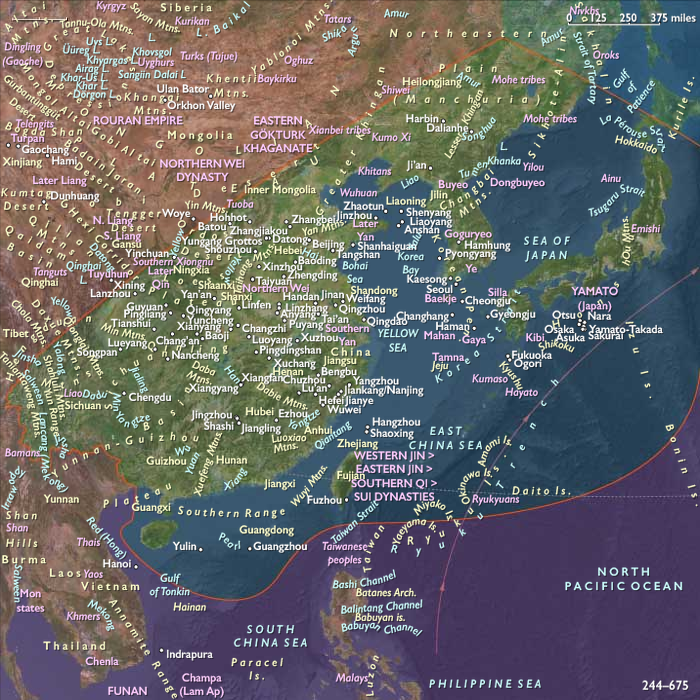
Related Events
Showing 10 events out of 56478 total
Years: 645 - 645
December
Locations
People
- Emperor Kōtoku
- Emperor Tenji
- Empress Kōgyoku
- Fujiwara no Kamatari
- Prince Yamashiro
- Soga no Emishi
- Soga no Kurayamada no Ishikawa no Maro
Groups
- Buddhism
- Confucianists
- Shinto
- Japanese people
- Japan, Yamato Early Asuka Period
- Chinese Empire, Tang Dynasty
- Japan, Yamato Hakuho (Late Asuka) Period
Topics
Subjects
Regions
Subregions